

Table of Contents
- Avoid These Common Mistakes When Buying Teak Furniture
- 1. Ignoring the Quality of Teak
- 2. Overlooking the Finish
- 3. Not Considering the Size and Scale
- 4. Skipping Research on Manufacturers
- 5. Forgetting About Maintenance
- 6. Impulse Buying
- 7. Neglecting the Warranty
- Other Questions People Ask
- How does teak compare to other types of wood for furniture?
- How can you get the best results with teak furniture?
- What common mistakes should you avoid with teak furniture?
Avoid These Common Mistakes When Buying Teak Furniture
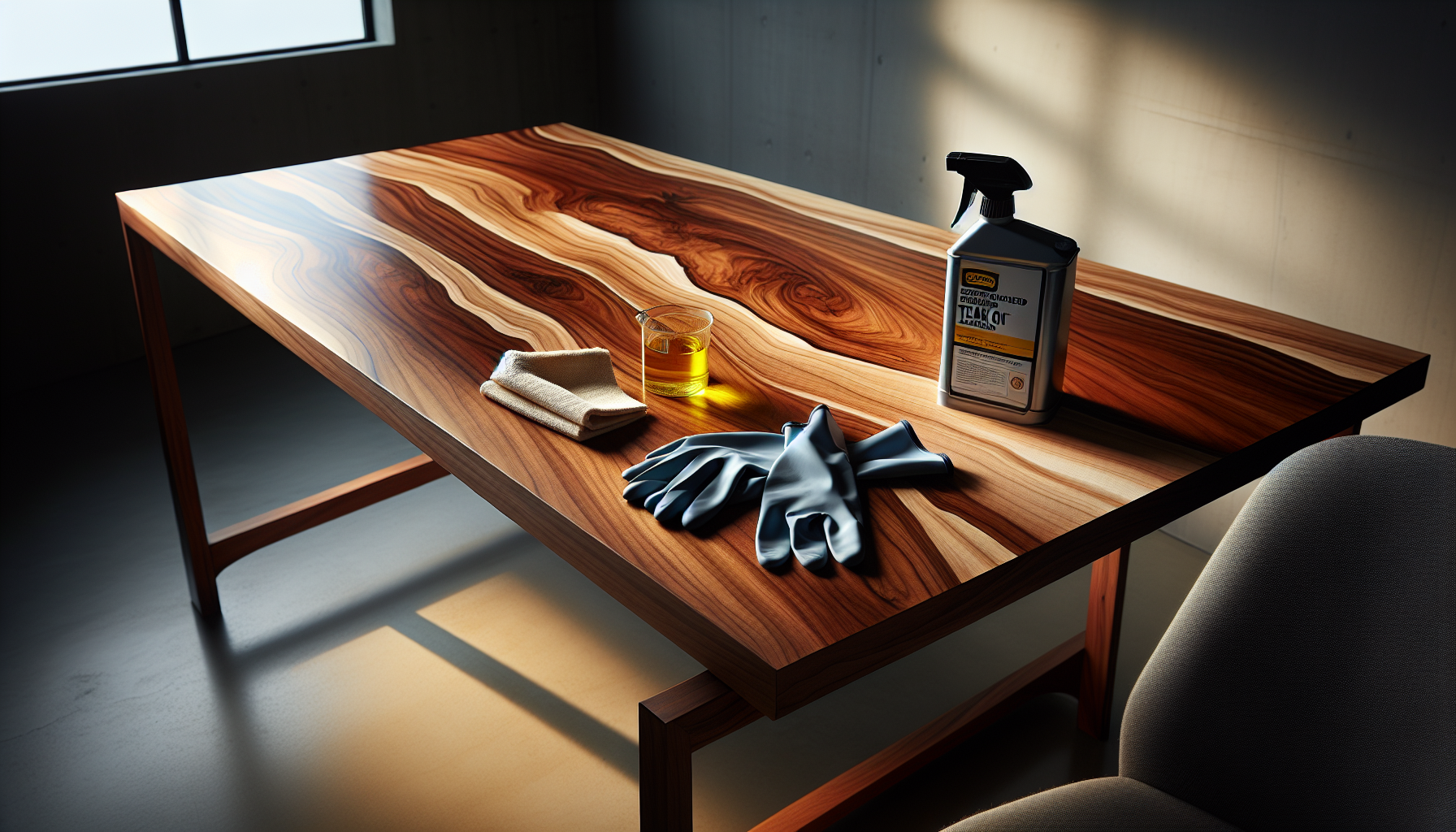
Investing in teak furniture can elevate your living space with its timeless beauty and durability, but navigating the buying process requires careful consideration. Many buyers fall into the trap of assuming all teak is created equal, overlooking the critical differences in wood quality that can significantly impact longevity and resilience. Additionally, the craftsmanship behind each piece plays a vital role; poorly constructed furniture may not withstand the test of time, leading to costly repairs or replacements. Understanding the maintenance needs of teak is equally essential, as neglecting this aspect can result in unexpected upkeep expenses. By being mindful of these factors, you can make a more informed choice and enjoy your teak furniture for years to come.
1. Ignoring the Quality of Teak
One of the most significant mistakes buyers make is not paying attention to the quality of the teak wood. Teak comes in various grades, and understanding these can help you make a better choice.
- Grade A Teak: This is the highest quality teak, sourced from mature trees. It has a rich golden color and a high oil content, making it resistant to moisture and pests. For instance, a Grade A teak dining table can last for decades with minimal maintenance.
- Grade B Teak: Slightly lower in quality, Grade B teak may contain some knots and is less durable than Grade A. While it can still be suitable for indoor use, it may not withstand outdoor conditions as well.
- Reclaimed Teak: This type of teak is sourced from old buildings or ships. While it can be environmentally friendly and unique, ensure that it has been properly treated to avoid issues with stability.
2. Overlooking the Finish
The finish on teak furniture plays a crucial role in its longevity and appearance. Many buyers assume that all teak furniture comes with a protective finish, but this is not always the case.
- Natural Finish: Some pieces are sold unfinished, allowing the wood to weather naturally. While this can create a beautiful silver patina over time, it may require more maintenance.
- Oiled Finish: An oiled finish enhances the wood’s natural color and provides a protective barrier against moisture. Regular reapplication of oil is necessary to maintain its appearance.
- Varnished Finish: This offers a glossy look and strong protection against scratches and stains but may require sanding and refinishing over time.
3. Not Considering the Size and Scale
Another common mistake is failing to consider the size and scale of the furniture in relation to your space. Teak furniture can be substantial, and choosing pieces that are too large or too small can disrupt the flow of your room or patio.
- Measure Your Space: Before shopping, take accurate measurements of your area. For example, if you have a small balcony, a compact teak bistro set may be more appropriate than a large dining table.
- Visualize the Arrangement: Use painter’s tape to outline where you plan to place the furniture. This can help you visualize how much space each piece will occupy.
4. Skipping Research on Manufacturers
Not all manufacturers produce teak furniture with the same level of craftsmanship. It’s essential to research brands and their reputations before making a purchase.
- Check Reviews: Look for customer reviews on platforms like Google or Bing to gauge satisfaction levels with specific brands. For instance, brands like Kingsley Bate and Gloster are often praised for their high-quality teak products.
- Ask About Sourcing: Inquire where the teak is sourced from. Sustainable practices are crucial; look for manufacturers that adhere to responsible forestry standards.
5. Forgetting About Maintenance
Teak furniture requires some level of maintenance to keep it looking its best. Many buyers underestimate this aspect, leading to premature wear and tear.
- Cleansing Routine: Regularly clean your teak furniture with mild soap and water to remove dirt and grime. For example, using a soft brush can help maintain its finish without scratching the surface.
- Seasonal Care: If your furniture is outdoors, consider using covers during harsh weather conditions to protect it from rain or snow.
- Re-oiling: If you prefer the rich color of oiled teak, plan to reapply oil every 6 to 12 months, depending on exposure to the elements.
6. Impulse Buying
Impulse buying can lead to regret, especially with significant investments like teak furniture. Take your time to evaluate your options thoroughly.
- Set a Budget: Determine how much you are willing to spend before you start shopping. This will help you narrow down your choices and avoid overspending.
- Visit Multiple Stores: Don’t settle for the first piece you see. Visit various retailers to compare styles, prices, and quality. For example, local furniture stores may offer unique designs that online retailers do not.
- Take Your Time: Give yourself a few days to think about your purchase. This can help you avoid buyer’s remorse and ensure that you choose a piece that fits your needs and style.
7. Neglecting the Warranty
Finally, many buyers overlook the importance of warranties when purchasing teak furniture. A good warranty can provide peace of mind and protect your investment.
- Understand the Coverage: Read the warranty details carefully. Some manufacturers offer limited lifetime warranties, while others may only cover defects for a few years.
- Keep Documentation: Always keep your receipt and warranty information in a safe place. This will be essential if you need to make a claim in the future.
By avoiding these common mistakes, you can ensure that your investment in teak furniture is worthwhile. With its timeless beauty and durability, teak can enhance your home or outdoor space for years to come. Take the time to research, measure, and consider your options carefully, and you’ll be rewarded with beautiful furniture that meets your needs and stands the test of time.
Other Questions People Ask
How does teak compare to other types of wood for furniture?
Teak is often compared to other hardwoods like oak and mahogany due to its unique properties. Unlike many woods, teak is naturally resistant to moisture and pests, making it less prone to warping or rotting. While it may be more expensive than some alternatives, its longevity and low maintenance requirements often justify the investment. Overall, teak stands out for its combination of durability, beauty, and functionality in furniture design.
How can you get the best results with teak furniture?
Achieving the best results with teak furniture requires clear goals and consistent practice. Start by understanding proven methods and gathering the right resources. Then follow a structured process, adapting to challenges as they arise. Focusing on quality and maintaining patience will lead to lasting success.
What common mistakes should you avoid with teak furniture?
When using teak furniture, people often overlook fundamental principles or skip important steps. Rushing through the process or failing to plan can lead to poor outcomes. Being aware of these common pitfalls allows you to avoid them from the start. Careful preparation and attention to detail will help you achieve the desired results.
Instant Answer: Common mistakes when buying teak furniture include not verifying the quality of the wood, as lower-grade teak can be less durable and more prone to damage. Buyers often overlook the importance of checking for proper construction techniques, which can affect the furniture’s longevity. Additionally, failing to consider the maintenance requirements of teak can lead to unexpected upkeep costs. Lastly, many consumers neglect to compare prices and features across different retailers, potentially missing out on better deals or higher-quality options.


Merax Outdoor 4-Piece Acacia Wood Conversation Set - Patio 3-Seat Loveseat Sofa Daybed with Cushion, 2 Armchair and Round Coffee Table for Backyard, Lawn, Balcony, Teak + Beige
(as of October 24, 2026 00:54 GMT -04:00 - More infoProduct prices and availability are accurate as of the date/time indicated and are subject to change. Any price and availability information displayed on [relevant Amazon Site(s), as applicable] at the time of purchase will apply to the purchase of this product.)


Werph 3-Piece Acacia Wood Outdoor Patio Furniture Set
(as of October 23, 2026 15:53 GMT -04:00 - More infoProduct prices and availability are accurate as of the date/time indicated and are subject to change. Any price and availability information displayed on [relevant Amazon Site(s), as applicable] at the time of purchase will apply to the purchase of this product.)





Christopher Knight Home 312395 Alfy Outdoor Club Chair with Cushions (Set of 2), Teak Finish, Beige
(as of October 23, 2026 17:40 GMT -04:00 - More infoProduct prices and availability are accurate as of the date/time indicated and are subject to change. Any price and availability information displayed on [relevant Amazon Site(s), as applicable] at the time of purchase will apply to the purchase of this product.)


Christopher Knight Home Lorna 4-Seater Patio Furniture Set with Removable Cushion, 4 Piece Outdoor Acacia Wood Conversation Set, Sold Wood Outdoor Sectional Sofa Set with Coffee Table, Teak+Beige
(as of October 23, 2026 17:40 GMT -04:00 - More infoProduct prices and availability are accurate as of the date/time indicated and are subject to change. Any price and availability information displayed on [relevant Amazon Site(s), as applicable] at the time of purchase will apply to the purchase of this product.)





Oasbira Aluminum Outdoor Patio Furniture Set with Coffee Table, 4 Piece Patio Conversation Sets with Washable Thick Cushions, Outdoor Sectional Furniture Set for Poolside, Balcony, Deck, Gray
(as of July 14, 2026 04:23 GMT -04:00 - More infoProduct prices and availability are accurate as of the date/time indicated and are subject to change. Any price and availability information displayed on [relevant Amazon Site(s), as applicable] at the time of purchase will apply to the purchase of this product.)
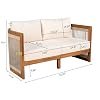


KLMM 4-Piece Patio Seating Group with 2 Chairs, Loveseat & Table,Acacia Wood Outdoor Furniture Set, Curved Tub Design with Woven Rope Accents,for Patio Balcony Garden (Teak+Beige-PP)
(as of October 23, 2026 18:00 GMT -04:00 - More infoProduct prices and availability are accurate as of the date/time indicated and are subject to change. Any price and availability information displayed on [relevant Amazon Site(s), as applicable] at the time of purchase will apply to the purchase of this product.)





Furniture Clinic Teak Oil | Wood Oil Protects & Cleans Outdoor & Indoor Furniture, Boats, Shower Benches | Restore & Protect Wood, Prevent Drying & Other Damage | Natural Matte Finish | 17oz/500ml
(as of October 23, 2026 18:02 GMT -04:00 - More infoProduct prices and availability are accurate as of the date/time indicated and are subject to change. Any price and availability information displayed on [relevant Amazon Site(s), as applicable] at the time of purchase will apply to the purchase of this product.)


Merax 4 Piece Patio Outdoor Furniture Set, All-Weather Acacia Wood Loveseat Sofa, 2 Armchairs w/Coushions, 1 Coffee Table for Porch, Lawn, Backyard, Balcony Teak+ Beige
(as of October 23, 2026 18:02 GMT -04:00 - More infoProduct prices and availability are accurate as of the date/time indicated and are subject to change. Any price and availability information displayed on [relevant Amazon Site(s), as applicable] at the time of purchase will apply to the purchase of this product.)
Now retrieving an image set.
Homall 4 Pieces Outdoor Patio Furniture Set, Rattan Chairs, Brown & Beige | Outdoor Furniture, Wicker Patio Set, Balcony and Porch Furniture, Outdoor Dining Set for Backyard, Garden, Poolside
$139.99 (as of October 24, 2026 07:03 GMT -04:00 - More infoProduct prices and availability are accurate as of the date/time indicated and are subject to change. Any price and availability information displayed on [relevant Amazon Site(s), as applicable] at the time of purchase will apply to the purchase of this product.)
Now retrieving an image set.
DUMOS 4-Piece Patio Furniture Set Outdoor Wicker Conversation, Black | All-Weather Resistant Rattan Outdoor Seating Chair, Glass Coffee Table, Removable Cushions, Porch Balcony Lawn Backyard
$129.99 (as of October 24, 2026 07:03 GMT -04:00 - More infoProduct prices and availability are accurate as of the date/time indicated and are subject to change. Any price and availability information displayed on [relevant Amazon Site(s), as applicable] at the time of purchase will apply to the purchase of this product.)
Now retrieving an image set.
DUMOS 4 Piece Patio Furniture Set, with Table and Chairs, Black | Outdoor Patio Furniture Set, Bistro Sets for Lawn, Garden, Balcony, Pool, Poolside
$86.94 (as of October 24, 2026 07:03 GMT -04:00 - More infoProduct prices and availability are accurate as of the date/time indicated and are subject to change. Any price and availability information displayed on [relevant Amazon Site(s), as applicable] at the time of purchase will apply to the purchase of this product.)
Now retrieving an image set.
LAUSAINT HOME 3-Piece Rocking Bistro Set, Outdoor Patio Furniture with Thick Cushions and 2-Tier Coffee Table, Oversize Rattan Conversation Set for Garden, Balcony, Backyard (Beige)
$177.99 (as of October 24, 2026 07:03 GMT -04:00 - More infoProduct prices and availability are accurate as of the date/time indicated and are subject to change. Any price and availability information displayed on [relevant Amazon Site(s), as applicable] at the time of purchase will apply to the purchase of this product.)
Now retrieving an image set.