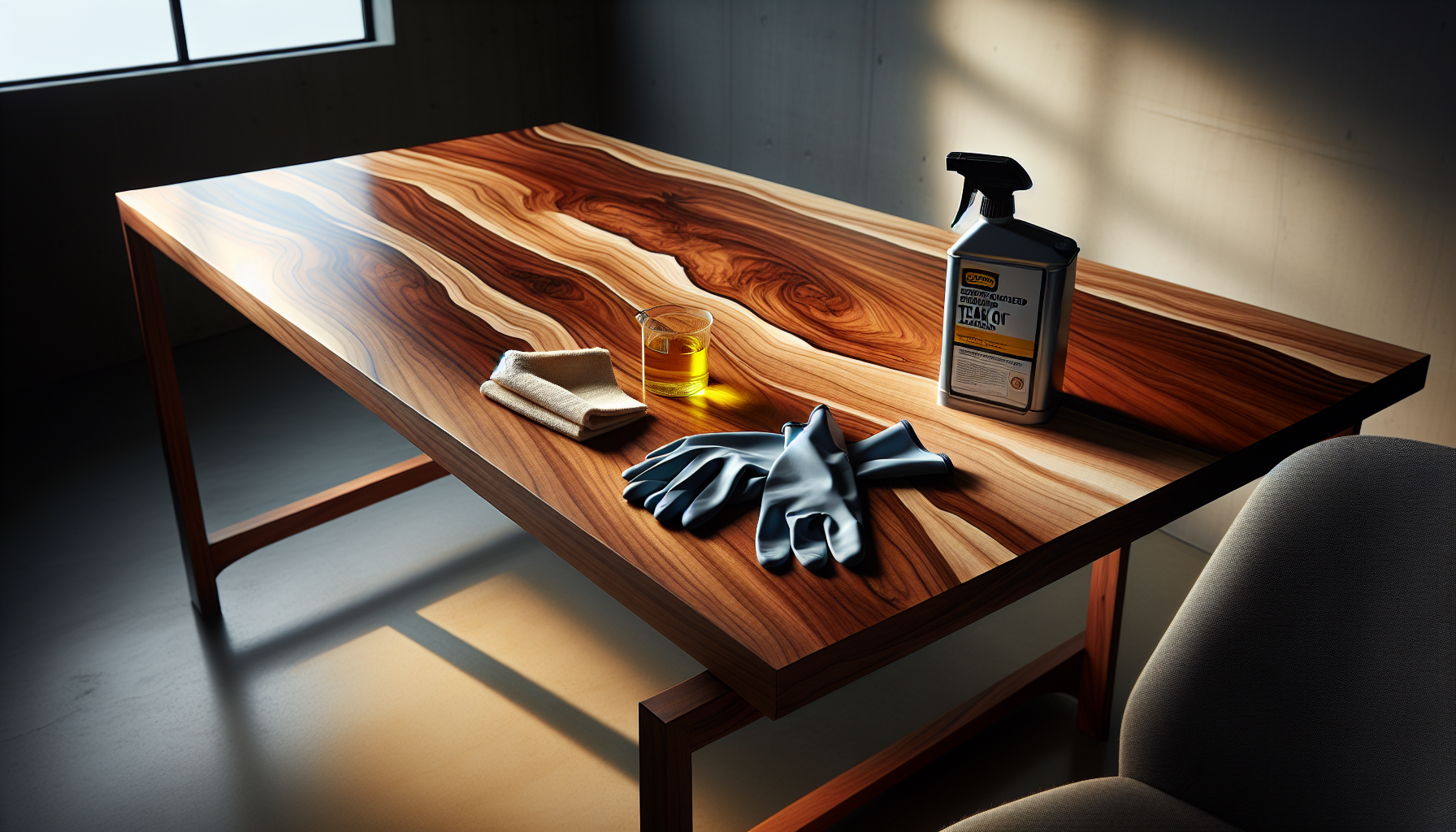

Quick Summary: Teak furniture can be left outside year-round due to its natural resistance to moisture, insects, and decay. However, prolonged exposure to harsh weather conditions can lead to fading and a silver-gray patina over time. To maintain its rich color and durability, it is advisable to apply a protective sealant or store it in a sheltered area during extreme weather. Regular cleaning and maintenance will also help prolong the life of teak furniture.

Table of Contents
- The Durability of Teak Furniture for Year-Round Outdoor Use
- Why Teak Furniture Stands the Test of Time
- Choosing Quality Teak Furniture
- Maintaining Your Teak Furniture
- Teak Furniture Styles for Outdoor Spaces
- The Environmental Benefits of Teak
- Conclusion
- Common Questions People Ask
- How does teak compare to other types of wood for furniture?
- How do you get started with teak furniture?
- What tools or supplies do you need for teak furniture?
The Durability of Teak Furniture for Year-Round Outdoor Use
Teak furniture stands out as a premier choice for outdoor living spaces, thanks to its remarkable durability and natural resilience. This hardwood, rich in oils, effectively repels moisture and resists the ravages of insects and decay, making it an ideal companion for year-round exposure to the elements. However, while teak can endure the changing seasons, it is not impervious to the effects of harsh weather; over time, its vibrant hue may fade to a soft silver-gray patina. To preserve its stunning appearance and longevity, regular maintenance and protective treatments are essential, ensuring that your teak pieces remain as inviting as the day they were crafted.
Teak furniture has long been celebrated for its exceptional durability and timeless beauty, making it a popular choice for outdoor spaces. Known scientifically as Tectona grandis, teak is a tropical hardwood that thrives in the humid climates of Southeast Asia. Its unique properties make it ideal for year-round outdoor use, even in challenging weather conditions. In this article, we will explore the reasons behind the durability of teak furniture, how to maintain it, and why it remains a top choice for outdoor living.
Why Teak Furniture Stands the Test of Time
Teak wood is renowned for several characteristics that contribute to its longevity and resilience:
- Natural Oils: Teak contains high levels of natural oils and rubber, which act as a barrier against moisture, preventing warping and cracking. These oils also provide resistance to pests such as termites and other wood-boring insects.
- Weather Resistance: Unlike many other types of wood, teak can withstand extreme weather conditions. Whether it’s the scorching sun, heavy rain, or freezing temperatures, teak furniture maintains its structural integrity. For instance, a teak dining set left outside during a summer storm will dry quickly without damage.
- Low Maintenance: Teak requires minimal upkeep compared to other outdoor materials. A simple wash with mild soap and water is often sufficient to keep it looking pristine. This ease of maintenance makes it an attractive option for busy homeowners.
- Aging Gracefully: Over time, teak develops a beautiful silver-gray patina if left untreated. This natural aging process adds character to the furniture without compromising its strength. Many homeowners appreciate this aesthetic change, as it enhances the rustic charm of outdoor spaces.
Choosing Quality Teak Furniture
When selecting teak furniture, it’s essential to consider the quality of the wood. Here are some tips to ensure you choose high-quality pieces:
- Grade of Teak: Teak is available in different grades, with Grade A being the highest quality. Grade A teak is harvested from mature trees and has a rich golden color with minimal knots. It is more durable and resistant to decay compared to lower grades.
- Construction Quality: Look for furniture that is well-constructed with mortise and tenon joints rather than screws or nails. This traditional joinery technique enhances durability and stability.
- Source of Wood: Ensure that the teak is sourced from sustainable plantations. Look for certifications such as the Forest Stewardship Council (FSC) label, which guarantees responsible forestry practices.
Maintaining Your Teak Furniture
While teak is low maintenance, some care can help prolong its life and maintain its appearance:
- Cleansing: Regularly clean your teak furniture with a soft brush or cloth to remove dirt and debris. For deeper cleaning, use a mixture of mild soap and water. Rinse thoroughly and allow it to dry completely before covering or storing.
- Oiling (Optional): If you prefer to maintain the original golden hue of your teak furniture, consider applying a teak oil every six months. This oil penetrates the wood and enhances its color while providing additional protection against moisture.
- Protective Covers: During harsh weather conditions or when not in use for extended periods, consider using protective covers designed specifically for outdoor furniture. This extra layer of protection can prevent fading and wear.
- Storage: If possible, store your teak furniture indoors during the winter months or during extreme weather events. This practice can significantly extend its lifespan and maintain its appearance.
Teak Furniture Styles for Outdoor Spaces
The versatility of teak allows it to fit seamlessly into various outdoor styles. Here are some popular styles of teak furniture that can enhance your outdoor living area:
- Dining Sets: Teak dining tables paired with comfortable chairs create an inviting space for al fresco dining. A rectangular table can accommodate family gatherings, while a round table is perfect for intimate dinners.
- Loungers and Chairs: Teak loungers are ideal for sunbathing or relaxing by the pool. Many come with adjustable backs for added comfort. Pair them with side tables for convenience.
- Benches: A teak bench can serve as a beautiful focal point in your garden or patio. It provides ample seating while blending harmoniously with natural surroundings.
- Sectional Sofas: For larger outdoor spaces, consider a teak sectional sofa that offers both comfort and style. These pieces can be arranged in various configurations to suit your entertaining needs.
The Environmental Benefits of Teak
Choosing teak furniture also has environmental implications. Sustainable teak plantations help preserve biodiversity by providing habitats for various species. Additionally, responsible harvesting practices ensure that forests are not depleted, allowing future generations to enjoy this valuable resource. By investing in high-quality teak furniture, you are supporting sustainable forestry initiatives that promote ecological balance.
Conclusion
The durability of teak furniture makes it an excellent investment for year-round outdoor use. Its natural resistance to weather elements, pests, and decay ensures that it will last for decades with proper care. By selecting high-quality pieces and maintaining them appropriately, you can enjoy the beauty and functionality of teak furniture in your outdoor spaces for years to come. Whether you’re hosting summer barbecues or enjoying quiet evenings under the stars, teak furniture will enhance your outdoor experience while standing the test of time.
Common Questions People Ask
How does teak compare to other types of wood for furniture?
Teak stands out among other woods due to its exceptional durability and resistance to the elements, making it ideal for outdoor furniture. Unlike softer woods, teak does not warp or crack easily, even in varying climates. Additionally, its natural oils provide a level of protection that many other woods lack. While it may be more expensive than alternatives like pine or oak, its longevity often justifies the investment.
How do you get started with teak furniture?
To get started with teak furniture: 1. Research at least two reputable sources to learn the fundamentals. 2. Gather essential tools or materials and set a modest budget, such as $50, for supplies. 3. Dedicate a regular practice schedule (e.g., 30 minutes per day) and follow a step‑by‑step plan. 4. Evaluate your progress each week and adjust your approach based on what you learn.
What tools or supplies do you need for teak furniture?
For teak furniture, you typically need a few basic items. Beginners should secure at least three core tools—for instance, a measuring tape, a durable container or workspace, and a notepad for tracking results. Investing in sturdy, well‑chosen equipment prevents delays and keeps costs manageable. Starting with these essentials lets you focus on technique rather than gear.


Merax Outdoor 4-Piece Acacia Wood Conversation Set - Patio 3-Seat Loveseat Sofa Daybed with Cushion, 2 Armchair and Round Coffee Table for Backyard, Lawn, Balcony, Teak + Beige
(as of October 24, 2026 00:54 GMT -04:00 - More infoProduct prices and availability are accurate as of the date/time indicated and are subject to change. Any price and availability information displayed on [relevant Amazon Site(s), as applicable] at the time of purchase will apply to the purchase of this product.)


Werph 3-Piece Acacia Wood Outdoor Patio Furniture Set
(as of October 23, 2026 15:53 GMT -04:00 - More infoProduct prices and availability are accurate as of the date/time indicated and are subject to change. Any price and availability information displayed on [relevant Amazon Site(s), as applicable] at the time of purchase will apply to the purchase of this product.)





Christopher Knight Home 312395 Alfy Outdoor Club Chair with Cushions (Set of 2), Teak Finish, Beige
(as of October 23, 2026 17:40 GMT -04:00 - More infoProduct prices and availability are accurate as of the date/time indicated and are subject to change. Any price and availability information displayed on [relevant Amazon Site(s), as applicable] at the time of purchase will apply to the purchase of this product.)


Christopher Knight Home Lorna 4-Seater Patio Furniture Set with Removable Cushion, 4 Piece Outdoor Acacia Wood Conversation Set, Sold Wood Outdoor Sectional Sofa Set with Coffee Table, Teak+Beige
(as of October 23, 2026 17:40 GMT -04:00 - More infoProduct prices and availability are accurate as of the date/time indicated and are subject to change. Any price and availability information displayed on [relevant Amazon Site(s), as applicable] at the time of purchase will apply to the purchase of this product.)





Oasbira Aluminum Outdoor Patio Furniture Set with Coffee Table, 4 Piece Patio Conversation Sets with Washable Thick Cushions, Outdoor Sectional Furniture Set for Poolside, Balcony, Deck, Gray
(as of July 14, 2026 04:23 GMT -04:00 - More infoProduct prices and availability are accurate as of the date/time indicated and are subject to change. Any price and availability information displayed on [relevant Amazon Site(s), as applicable] at the time of purchase will apply to the purchase of this product.)
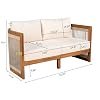


KLMM 4-Piece Patio Seating Group with 2 Chairs, Loveseat & Table,Acacia Wood Outdoor Furniture Set, Curved Tub Design with Woven Rope Accents,for Patio Balcony Garden (Teak+Beige-PP)
(as of October 23, 2026 18:00 GMT -04:00 - More infoProduct prices and availability are accurate as of the date/time indicated and are subject to change. Any price and availability information displayed on [relevant Amazon Site(s), as applicable] at the time of purchase will apply to the purchase of this product.)


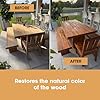


Furniture Clinic Teak Oil | Wood Oil Protects & Cleans Outdoor & Indoor Furniture, Boats, Shower Benches | Restore & Protect Wood, Prevent Drying & Other Damage | Natural Matte Finish | 17oz/500ml
(as of October 23, 2026 18:02 GMT -04:00 - More infoProduct prices and availability are accurate as of the date/time indicated and are subject to change. Any price and availability information displayed on [relevant Amazon Site(s), as applicable] at the time of purchase will apply to the purchase of this product.)


Merax 4 Piece Patio Outdoor Furniture Set, All-Weather Acacia Wood Loveseat Sofa, 2 Armchairs w/Coushions, 1 Coffee Table for Porch, Lawn, Backyard, Balcony Teak+ Beige
(as of October 23, 2026 18:02 GMT -04:00 - More infoProduct prices and availability are accurate as of the date/time indicated and are subject to change. Any price and availability information displayed on [relevant Amazon Site(s), as applicable] at the time of purchase will apply to the purchase of this product.)
Now retrieving an image set.
Qsun 3 Pieces Patio Furniture Set Rocking Bistro Set Outdoor Rattan Conversation with Coffee Table for Garden Balcony Backyard Poolside (Grey Cushion)
$59.99 (as of October 24, 2026 07:03 GMT -04:00 - More infoProduct prices and availability are accurate as of the date/time indicated and are subject to change. Any price and availability information displayed on [relevant Amazon Site(s), as applicable] at the time of purchase will apply to the purchase of this product.)
Now retrieving an image set.
Aoxun Patio Furniture Sets, 7-Piece Outdoor Furniture with Thick Cushions, Wicker Conversation Set Sectional Sofa for Backyard, Poolside, Garden
$399.99 (as of October 24, 2026 07:03 GMT -04:00 - More infoProduct prices and availability are accurate as of the date/time indicated and are subject to change. Any price and availability information displayed on [relevant Amazon Site(s), as applicable] at the time of purchase will apply to the purchase of this product.)
Now retrieving an image set.
Best Choice Products 3-Piece Outdoor Wicker Conversation Bistro Set, Space Saving Patio Furniture for Garden w/Side Table - Brown/Tan
$91.99 (as of October 24, 2026 07:03 GMT -04:00 - More infoProduct prices and availability are accurate as of the date/time indicated and are subject to change. Any price and availability information displayed on [relevant Amazon Site(s), as applicable] at the time of purchase will apply to the purchase of this product.)
Now retrieving an image set.
FDW | 3-Piece Patio Furniture Set | Khaki |Outdoor Wicker Furniture with Coffee Table | Modern Rattan Chairs Conversation Set | Outdoor Seating | Weather-Resistant | for Porch, Garden, Lawn
$88.99 (as of October 24, 2026 07:03 GMT -04:00 - More infoProduct prices and availability are accurate as of the date/time indicated and are subject to change. Any price and availability information displayed on [relevant Amazon Site(s), as applicable] at the time of purchase will apply to the purchase of this product.)
Now retrieving an image set.