

Instant Insight: Plantation teak is grown in controlled environments, often using specific agricultural practices to enhance growth and yield. This type of teak is typically harvested at a younger age, resulting in a more uniform appearance and lower cost. In contrast, natural teak grows in its native habitat, often in mixed forests, leading to variations in grain and color due to environmental factors. Natural teak is generally considered more durable and valuable due to its slower growth and unique characteristics.

In This Article
- Understanding the Differences Between Plantation and Natural Teak Furniture
- What is Plantation Teak?
- Characteristics of Plantation Teak
- What is Natural Teak?
- Characteristics of Natural Teak
- Comparing Plantation and Natural Teak
- Caring for Teak Furniture
- Conclusion
- Frequently Asked Questions
- How should I care for teak furniture?
- How does teak compare to other types of wood for furniture?
- What is teak furniture and how does it work?
Understanding the Differences Between Plantation and Natural Teak Furniture
Teak furniture has long been celebrated for its beauty and durability, but not all teak is created equal. The distinction between plantation and natural teak reveals a fascinating interplay of cultivation methods and environmental influences. Plantation teak, nurtured in controlled settings, offers a consistent aesthetic and affordability, appealing to those seeking modern elegance. In contrast, natural teak, thriving in its native ecosystem, showcases a rich tapestry of grain and color variations, each piece telling its own story shaped by the elements. This inherent uniqueness not only enhances its visual appeal but also contributes to its reputation as a premium choice for discerning buyers.
Teak furniture has long been celebrated for its durability, beauty, and resistance to the elements. However, not all teak is created equal. The two primary sources of teak furniture are plantation-grown teak and natural teak. Understanding the differences between these two types can help you make informed decisions when purchasing teak furniture for your home or outdoor space.
What is Plantation Teak?
Plantation teak refers to teak trees that are cultivated in managed forests specifically for timber production. These plantations are often established in tropical regions, such as Southeast Asia, where the climate is ideal for growing teak. The trees are typically grown in rows and harvested after a certain period, usually around 20 to 30 years, when they reach maturity.
One of the key benefits of plantation teak is its sustainability. Many plantations are managed under strict environmental guidelines, ensuring that the harvesting process does not lead to deforestation or habitat destruction. For example, the Indonesian government has implemented regulations that promote sustainable forestry practices, allowing for the responsible cultivation of teak.
Characteristics of Plantation Teak
- Uniformity: Plantation teak tends to have a more uniform appearance due to controlled growing conditions. This means that the wood often has fewer knots and a consistent grain pattern.
- Affordability: Because plantation teak is mass-produced, it is generally more affordable than natural teak. This makes it an attractive option for consumers looking for quality furniture without breaking the bank.
- Availability: Plantation teak is widely available in various forms, including outdoor furniture, indoor pieces, and even flooring. This accessibility allows consumers to find exactly what they need for their specific design preferences.
What is Natural Teak?
Natural teak, on the other hand, comes from trees that grow in their natural habitat without human intervention. These trees are often found in forests across Southeast Asia, particularly in countries like Myanmar and Thailand. Natural teak is harvested from old-growth forests, where trees can take up to 100 years or more to reach maturity.
The appeal of natural teak lies in its unique characteristics and rich history. Each piece of natural teak furniture tells a story, showcasing the natural variations in color and grain that occur over decades of growth. This individuality is highly sought after by collectors and those looking for one-of-a-kind pieces.
Characteristics of Natural Teak
- Unique Aesthetics: Natural teak features a wide range of colors, from golden yellow to deep brown, with intricate grain patterns that vary from piece to piece. This uniqueness adds character and charm to any furniture item.
- Durability: Natural teak is known for its exceptional durability and resistance to decay and insects. The high oil content in the wood makes it naturally water-resistant, making it an ideal choice for outdoor furniture.
- Environmental Concerns: While natural teak has many benefits, its sourcing can raise environmental concerns. Unsustainable logging practices can lead to deforestation and loss of biodiversity. It’s crucial to ensure that any natural teak furniture you purchase comes from reputable sources that adhere to sustainable practices.
Comparing Plantation and Natural Teak
When deciding between plantation and natural teak furniture, consider the following factors:
- Price: Plantation teak is generally more affordable than natural teak due to its mass production. If budget is a primary concern, plantation teak may be the better option.
- Aesthetic Preferences: If you value uniqueness and character in your furniture, natural teak may be more appealing. However, if you prefer a more uniform look, plantation teak could be the right choice.
- Sustainability: Both types can be sustainable if sourced responsibly. Look for certifications such as the Forest Stewardship Council (FSC) label when purchasing either type of teak furniture.
Caring for Teak Furniture
Caring for your teak furniture, whether plantation or natural, is essential to maintaining its beauty and longevity. Here are some practical tips:
- Regular Cleaning: Clean your teak furniture regularly with a soft cloth and mild soap solution to remove dirt and grime. Avoid harsh chemicals that can damage the wood.
- Oiling: To enhance the color and protect the wood, consider applying a specialized teak oil every six months. This helps maintain its rich hue and prevents drying out.
- Protection from Elements: If your furniture is outdoors, use covers during inclement weather or store it indoors during winter months to prolong its life.
Conclusion
Choosing between plantation and natural teak furniture ultimately depends on your personal preferences, budget, and values regarding sustainability. Both types offer unique benefits and can enhance your living space with their beauty and durability. By understanding the differences between plantation and natural teak, you can make an informed decision that aligns with your style and ethical considerations.
Whether you opt for the uniformity of plantation teak or the unique charm of natural teak, investing in quality furniture will provide you with lasting enjoyment for years to come.
Frequently Asked Questions
How should I care for teak furniture?
Caring for teak furniture involves regular cleaning and maintenance to preserve its appearance and longevity. It's recommended to clean it with a mild soap solution and a soft brush to remove dirt and debris. Applying a teak oil or sealer can help maintain its color and protect it from the elements. Avoid using harsh chemicals or abrasive materials that could damage the wood's surface.
How does teak compare to other types of wood for furniture?
Teak is often compared to other hardwoods like oak and mahogany due to its unique properties. Unlike many woods, teak is naturally resistant to moisture, pests, and decay, making it ideal for outdoor use. While it tends to be more expensive than other hardwoods, its longevity and low maintenance requirements often justify the investment. Additionally, teak's rich color and grain patterns provide a distinct aesthetic that many homeowners appreciate.
What is teak furniture and how does it work?
In simple terms, teak furniture refers to the core process or practice behind your project. For example, a beginner might break a large task into smaller milestones and set aside 5–10 hours to experiment with basic techniques. This helps you plan your time, gather the right materials and measure progress. Understanding these mechanics ensures you work efficiently and achieve tangible results.


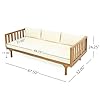
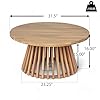
Merax Outdoor 4-Piece Acacia Wood Conversation Set - Patio 3-Seat Loveseat Sofa Daybed with Cushion, 2 Armchair and Round Coffee Table for Backyard, Lawn, Balcony, Teak + Beige
(as of October 24, 2026 00:54 GMT -04:00 - More infoProduct prices and availability are accurate as of the date/time indicated and are subject to change. Any price and availability information displayed on [relevant Amazon Site(s), as applicable] at the time of purchase will apply to the purchase of this product.)


Werph 3-Piece Acacia Wood Outdoor Patio Furniture Set
(as of October 23, 2026 15:53 GMT -04:00 - More infoProduct prices and availability are accurate as of the date/time indicated and are subject to change. Any price and availability information displayed on [relevant Amazon Site(s), as applicable] at the time of purchase will apply to the purchase of this product.)





Christopher Knight Home 312395 Alfy Outdoor Club Chair with Cushions (Set of 2), Teak Finish, Beige
(as of October 23, 2026 17:40 GMT -04:00 - More infoProduct prices and availability are accurate as of the date/time indicated and are subject to change. Any price and availability information displayed on [relevant Amazon Site(s), as applicable] at the time of purchase will apply to the purchase of this product.)


Christopher Knight Home Lorna 4-Seater Patio Furniture Set with Removable Cushion, 4 Piece Outdoor Acacia Wood Conversation Set, Sold Wood Outdoor Sectional Sofa Set with Coffee Table, Teak+Beige
(as of October 23, 2026 17:40 GMT -04:00 - More infoProduct prices and availability are accurate as of the date/time indicated and are subject to change. Any price and availability information displayed on [relevant Amazon Site(s), as applicable] at the time of purchase will apply to the purchase of this product.)





Oasbira Aluminum Outdoor Patio Furniture Set with Coffee Table, 4 Piece Patio Conversation Sets with Washable Thick Cushions, Outdoor Sectional Furniture Set for Poolside, Balcony, Deck, Gray
(as of July 14, 2026 04:23 GMT -04:00 - More infoProduct prices and availability are accurate as of the date/time indicated and are subject to change. Any price and availability information displayed on [relevant Amazon Site(s), as applicable] at the time of purchase will apply to the purchase of this product.)
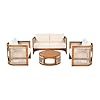
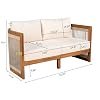


KLMM 4-Piece Patio Seating Group with 2 Chairs, Loveseat & Table,Acacia Wood Outdoor Furniture Set, Curved Tub Design with Woven Rope Accents,for Patio Balcony Garden (Teak+Beige-PP)
(as of October 23, 2026 18:00 GMT -04:00 - More infoProduct prices and availability are accurate as of the date/time indicated and are subject to change. Any price and availability information displayed on [relevant Amazon Site(s), as applicable] at the time of purchase will apply to the purchase of this product.)


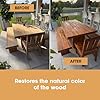


Furniture Clinic Teak Oil | Wood Oil Protects & Cleans Outdoor & Indoor Furniture, Boats, Shower Benches | Restore & Protect Wood, Prevent Drying & Other Damage | Natural Matte Finish | 17oz/500ml
(as of October 23, 2026 18:02 GMT -04:00 - More infoProduct prices and availability are accurate as of the date/time indicated and are subject to change. Any price and availability information displayed on [relevant Amazon Site(s), as applicable] at the time of purchase will apply to the purchase of this product.)


Merax 4 Piece Patio Outdoor Furniture Set, All-Weather Acacia Wood Loveseat Sofa, 2 Armchairs w/Coushions, 1 Coffee Table for Porch, Lawn, Backyard, Balcony Teak+ Beige
(as of October 23, 2026 18:02 GMT -04:00 - More infoProduct prices and availability are accurate as of the date/time indicated and are subject to change. Any price and availability information displayed on [relevant Amazon Site(s), as applicable] at the time of purchase will apply to the purchase of this product.)
Now retrieving an image set.
Shintenchi 4 Pieces Patio Furniture Set All Weather Textile Fabric Outdoor Conversation Set, with Glass Coffee Table, Loveseat, 2 Single Chairs for Home, Garden, Lawn, Porch(Gray)
$119.99 (as of October 24, 2026 07:03 GMT -04:00 - More infoProduct prices and availability are accurate as of the date/time indicated and are subject to change. Any price and availability information displayed on [relevant Amazon Site(s), as applicable] at the time of purchase will apply to the purchase of this product.)
Now retrieving an image set.
Aoxun Patio Furniture Sets, 7-Piece Outdoor Furniture with Thick Cushions, Wicker Conversation Set Sectional Sofa for Backyard, Poolside, Garden
$399.99 (as of October 24, 2026 07:03 GMT -04:00 - More infoProduct prices and availability are accurate as of the date/time indicated and are subject to change. Any price and availability information displayed on [relevant Amazon Site(s), as applicable] at the time of purchase will apply to the purchase of this product.)
Now retrieving an image set.
LAUSAINT HOME 3-Piece Rocking Bistro Set, Outdoor Patio Furniture with Thick Cushions and 2-Tier Coffee Table, Oversize Rattan Conversation Set for Garden, Balcony, Backyard (Beige)
$177.99 (as of October 24, 2026 07:03 GMT -04:00 - More infoProduct prices and availability are accurate as of the date/time indicated and are subject to change. Any price and availability information displayed on [relevant Amazon Site(s), as applicable] at the time of purchase will apply to the purchase of this product.)
Now retrieving an image set.
Devoko 3 Pieces Patio Furniture Set Outdoor Wicker Chairs and Table, Beige | Upgraded PE Rattan Patio Conversation Set of 2, Sturdy Outdoor Furniture for Porch, Garden, Poolside, Balcony
$159.99 (as of October 24, 2026 07:03 GMT -04:00 - More infoProduct prices and availability are accurate as of the date/time indicated and are subject to change. Any price and availability information displayed on [relevant Amazon Site(s), as applicable] at the time of purchase will apply to the purchase of this product.)
Now retrieving an image set.