Quick Summary: To maintain teak furniture for longevity, regularly clean it with a mild soap solution and a soft cloth to remove dirt and grime. Avoid using harsh chemicals or abrasive materials that can damage the wood. Apply a teak oil or sealer annually to protect against moisture and UV damage, enhancing its natural color. Store the furniture in a shaded area or use covers when not in use to prevent weather-related wear.
Jump To
- Essential Tips for Maintaining Teak Furniture Longevity
- Understanding Teak Wood
- Regular Cleaning
- Protecting from the Elements
- Oiling Teak Furniture
- Dealing with Stains and Scratches
- Preventing Mildew and Mold
- Seasonal Maintenance Tips
- Conclusion
- Common Queries and Answers
- How should I care for teak furniture?
- Is teak furniture sustainable for the environment?
- What makes teak wood different from other hardwoods?
Essential Tips for Maintaining Teak Furniture Longevity
Teak furniture, renowned for its durability and rich, warm hues, can transform any outdoor space into a serene retreat. To ensure its beauty endures, regular maintenance is essential; a gentle cleaning with a mild soap solution and a soft cloth will keep it free from dirt and grime. Protecting this exquisite wood from the elements is equally important; applying teak oil or a quality sealer annually not only shields it from moisture and UV rays but also enhances its natural luster. When not in use, consider storing your teak pieces in shaded areas or covering them to guard against the wear and tear of changing weather conditions. With these thoughtful practices, your teak furniture can remain a stunning centerpiece for years to come.
Understanding Teak Wood
Teak (Tectona grandis) is a tropical hardwood native to Southeast Asia, particularly found in countries like Myanmar, Thailand, and India. Its natural oils make it resistant to moisture, insects, and decay, making it an ideal choice for outdoor furniture. However, without proper maintenance, teak can lose its rich golden hue and develop a weathered gray patina over time.
Regular Cleaning
One of the most important aspects of maintaining teak furniture is regular cleaning. Here are some steps to follow:
- Dust Regularly: Use a soft, dry cloth or a feather duster to remove dust and debris from the surface of your teak furniture. This prevents dirt buildup that can scratch the wood.
- Wash with Mild Soap: For deeper cleaning, mix a few drops of mild dish soap with warm water. Use a soft sponge or cloth to gently scrub the surface. Rinse thoroughly with clean water and dry with a soft towel.
- Avoid Harsh Chemicals: Steer clear of bleach or ammonia-based cleaners, as they can damage the wood’s natural oils and finish.
Protecting from the Elements
If your teak furniture is outdoors, it’s crucial to protect it from harsh weather conditions. Here are some strategies:
- Use Furniture Covers: Invest in high-quality, breathable covers that fit your furniture snugly. This will shield it from rain, snow, and UV rays when not in use.
- Store Indoors During Off-Season: If you live in an area with extreme weather conditions, consider storing your teak furniture indoors during winter months to prevent damage.
- Position Wisely: Place your furniture in shaded areas to minimize sun exposure. Direct sunlight can cause the wood to fade and dry out.
Oiling Teak Furniture
Applying oil to teak furniture can enhance its color and provide additional protection. Here’s how to do it effectively:
- Select the Right Oil: Use a teak oil specifically formulated for outdoor furniture. These oils penetrate the wood and help maintain its natural luster.
- Frequency of Application: Depending on exposure to the elements, apply teak oil every 3-6 months. If your furniture is exposed to heavy rain or sun, consider more frequent applications.
- Application Process: Clean the surface thoroughly before applying oil. Use a clean cloth or brush to apply an even coat of oil, following the wood grain. Allow it to soak in for about 15-30 minutes, then wipe off any excess oil with a clean cloth.
Dealing with Stains and Scratches
Even with regular maintenance, stains and scratches can occur. Here’s how to address these issues:
- Removing Stains: For food or drink stains, mix equal parts vinegar and water. Apply the solution with a soft cloth and gently rub the stained area until it lifts. Rinse with clean water and dry thoroughly.
- Sanding Scratches: For deeper scratches, lightly sand the affected area with fine-grit sandpaper (220-grit). Always sand in the direction of the grain to avoid further damage. After sanding, clean the area and apply teak oil to restore its finish.
Preventing Mildew and Mold
Mildew and mold can develop on teak furniture if it remains damp for extended periods. To prevent this:
- Ensure Proper Drainage: If your furniture is placed on a patio or deck, ensure that water can drain away easily. Avoid placing furniture on wet surfaces.
- Use a Mildew Cleaner: If you notice mildew forming, use a mixture of water and vinegar or a commercial mildew cleaner designed for wood surfaces. Apply it with a soft cloth and rinse thoroughly afterward.
Seasonal Maintenance Tips
Seasonal changes can affect your teak furniture‘s condition. Here are some tips for each season:
- Spring: Inspect your furniture for any winter damage. Clean thoroughly and apply teak oil if needed.
- Summer: Ensure that your furniture is shaded from direct sunlight as much as possible. Regularly check for signs of wear or fading.
- Autumn: Before winter sets in, clean your furniture and consider applying an additional coat of oil for protection against moisture.
- Winter: If possible, store your furniture indoors or cover it securely to protect against snow and ice.
Conclusion
By following these essential tips for maintaining teak furniture longevity, you can enjoy its beauty and functionality for many years. Regular cleaning, protection from the elements, proper oiling, and addressing stains or scratches promptly will keep your teak pieces looking their best. Remember that investing time in maintenance not only preserves the aesthetic appeal of your furniture but also enhances its durability against wear and tear.
Your teak furniture is an investment; treat it with care to ensure it remains a cherished part of your home or outdoor space for generations to come.
Common Queries and Answers
How should I care for teak furniture?
Caring for teak furniture involves regular cleaning and occasional oiling to maintain its rich color and prevent drying. Use a mild soap solution and a soft cloth to clean the surface, avoiding harsh chemicals that can damage the wood. If you prefer the original golden hue, apply teak oil every few months; otherwise, you can allow it to weather naturally to a silvery-gray patina. Proper care will enhance the longevity and appearance of your teak furniture.
Is teak furniture sustainable for the environment?
Teak furniture can be considered environmentally friendly when sourced from sustainably managed plantations. Responsible harvesting practices ensure that the forests are not depleted and that biodiversity is preserved. Look for certifications such as the Forest Stewardship Council (FSC) label to ensure that the teak is sourced sustainably. Choosing certified teak helps support eco-friendly practices while enjoying high-quality furniture.
What makes teak wood different from other hardwoods?
Teak wood is distinct from other hardwoods due to its high oil content, which provides natural resistance to moisture, pests, and decay. This makes it particularly suitable for outdoor furniture, where exposure to the elements is a concern. Additionally, teak has a unique grain pattern and rich color that enhances its visual appeal. Its combination of durability and beauty sets it apart from other hardwoods commonly used in furniture making.


Merax Outdoor 4-Piece Acacia Wood Conversation Set - Patio 3-Seat Loveseat Sofa Daybed with Cushion, 2 Armchair and Round Coffee Table for Backyard, Lawn, Balcony, Teak + Beige
(as of October 24, 2026 00:54 GMT -04:00 - More infoProduct prices and availability are accurate as of the date/time indicated and are subject to change. Any price and availability information displayed on [relevant Amazon Site(s), as applicable] at the time of purchase will apply to the purchase of this product.)


Werph 3-Piece Acacia Wood Outdoor Patio Furniture Set
(as of October 23, 2026 15:53 GMT -04:00 - More infoProduct prices and availability are accurate as of the date/time indicated and are subject to change. Any price and availability information displayed on [relevant Amazon Site(s), as applicable] at the time of purchase will apply to the purchase of this product.)





Christopher Knight Home 312395 Alfy Outdoor Club Chair with Cushions (Set of 2), Teak Finish, Beige
(as of October 23, 2026 17:40 GMT -04:00 - More infoProduct prices and availability are accurate as of the date/time indicated and are subject to change. Any price and availability information displayed on [relevant Amazon Site(s), as applicable] at the time of purchase will apply to the purchase of this product.)


Christopher Knight Home Lorna 4-Seater Patio Furniture Set with Removable Cushion, 4 Piece Outdoor Acacia Wood Conversation Set, Sold Wood Outdoor Sectional Sofa Set with Coffee Table, Teak+Beige
(as of October 23, 2026 17:40 GMT -04:00 - More infoProduct prices and availability are accurate as of the date/time indicated and are subject to change. Any price and availability information displayed on [relevant Amazon Site(s), as applicable] at the time of purchase will apply to the purchase of this product.)





Oasbira Aluminum Outdoor Patio Furniture Set with Coffee Table, 4 Piece Patio Conversation Sets with Washable Thick Cushions, Outdoor Sectional Furniture Set for Poolside, Balcony, Deck, Gray
(as of July 14, 2026 04:23 GMT -04:00 - More infoProduct prices and availability are accurate as of the date/time indicated and are subject to change. Any price and availability information displayed on [relevant Amazon Site(s), as applicable] at the time of purchase will apply to the purchase of this product.)


KLMM 4-Piece Patio Seating Group with 2 Chairs, Loveseat & Table,Acacia Wood Outdoor Furniture Set, Curved Tub Design with Woven Rope Accents,for Patio Balcony Garden (Teak+Beige-PP)
(as of October 23, 2026 18:00 GMT -04:00 - More infoProduct prices and availability are accurate as of the date/time indicated and are subject to change. Any price and availability information displayed on [relevant Amazon Site(s), as applicable] at the time of purchase will apply to the purchase of this product.)


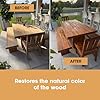


Furniture Clinic Teak Oil | Wood Oil Protects & Cleans Outdoor & Indoor Furniture, Boats, Shower Benches | Restore & Protect Wood, Prevent Drying & Other Damage | Natural Matte Finish | 17oz/500ml
(as of October 23, 2026 18:02 GMT -04:00 - More infoProduct prices and availability are accurate as of the date/time indicated and are subject to change. Any price and availability information displayed on [relevant Amazon Site(s), as applicable] at the time of purchase will apply to the purchase of this product.)


Merax 4 Piece Patio Outdoor Furniture Set, All-Weather Acacia Wood Loveseat Sofa, 2 Armchairs w/Coushions, 1 Coffee Table for Porch, Lawn, Backyard, Balcony Teak+ Beige
(as of October 23, 2026 18:02 GMT -04:00 - More infoProduct prices and availability are accurate as of the date/time indicated and are subject to change. Any price and availability information displayed on [relevant Amazon Site(s), as applicable] at the time of purchase will apply to the purchase of this product.)
Now retrieving an image set.
Devoko 3 Pieces Patio Furniture Set Outdoor Wicker Chairs and Table, Beige | Upgraded PE Rattan Patio Conversation Set of 2, Sturdy Outdoor Furniture for Porch, Garden, Poolside, Balcony
$159.99 (as of October 24, 2026 07:03 GMT -04:00 - More infoProduct prices and availability are accurate as of the date/time indicated and are subject to change. Any price and availability information displayed on [relevant Amazon Site(s), as applicable] at the time of purchase will apply to the purchase of this product.)
Now retrieving an image set.
Homall 4 Pieces Outdoor Patio Furniture Set, Rattan Chairs, Brown & Beige | Outdoor Furniture, Wicker Patio Set, Balcony and Porch Furniture, Outdoor Dining Set for Backyard, Garden, Poolside
$139.99 (as of October 24, 2026 07:03 GMT -04:00 - More infoProduct prices and availability are accurate as of the date/time indicated and are subject to change. Any price and availability information displayed on [relevant Amazon Site(s), as applicable] at the time of purchase will apply to the purchase of this product.)
Now retrieving an image set.
DUMOS 4 Piece Patio Furniture Set, with Table and Chairs, Black | Outdoor Patio Furniture Set, Bistro Sets for Lawn, Garden, Balcony, Pool, Poolside
$86.94 (as of October 24, 2026 07:03 GMT -04:00 - More infoProduct prices and availability are accurate as of the date/time indicated and are subject to change. Any price and availability information displayed on [relevant Amazon Site(s), as applicable] at the time of purchase will apply to the purchase of this product.)
Now retrieving an image set.
Shintenchi 4 Pieces Patio Furniture Set All Weather Textile Fabric Outdoor Conversation Set, with Glass Coffee Table, Loveseat, 2 Single Chairs for Home, Garden, Lawn, Porch(Gray)
$119.99 (as of October 24, 2026 07:03 GMT -04:00 - More infoProduct prices and availability are accurate as of the date/time indicated and are subject to change. Any price and availability information displayed on [relevant Amazon Site(s), as applicable] at the time of purchase will apply to the purchase of this product.)
Now retrieving an image set.