

Quick Take: Common issues with teak furniture include susceptibility to fading when exposed to direct sunlight, which can diminish its rich color over time. Additionally, while teak is naturally resistant to moisture and insects, it can still develop mold or mildew if not properly maintained in humid environments. Another concern is the potential for cracking or splitting as the wood dries out, especially if it is not regularly oiled. Lastly, the high cost of teak furniture can be a barrier for some consumers, despite its durability and longevity.

Section Overview
- Common Issues to Consider with Teak Furniture
- Understanding Teak Wood
- 1. Weathering and Color Change
- 2. Mold and Mildew Growth
- 3. Scratches and Dents
- 4. Insect Infestation
- 5. Cracking and Splitting
- 6. Cleaning and Maintenance Routine
- 7. Choosing the Right Location
- Conclusion
- Top Questions Answered
- What are the best ways to maintain teak furniture?
- How does teak compare to other types of wood for furniture?
- What is teak furniture and how does it work?
Common Issues to Consider with Teak Furniture
Teak furniture, renowned for its beauty and durability, comes with its own set of challenges that potential buyers should carefully consider. One major issue is its tendency to fade under the harsh glare of direct sunlight, which can gradually wash out the vibrant hues that make teak so appealing. While the wood boasts natural resistance to moisture and pests, neglect in humid conditions can lead to unsightly mold or mildew, compromising its aesthetic and structural integrity. Additionally, without regular maintenance, such as oiling, teak can suffer from cracking or splitting as it dries out over time. Coupled with its premium price tag, these factors make it essential for consumers to weigh the long-term commitment of investing in teak furniture.
Understanding Teak Wood
Teak wood, known scientifically as Tectona grandis, is a tropical hardwood that originates from Southeast Asia. Renowned for its durability and resistance to water, teak is often used in outdoor furniture, boat building, and flooring. Its natural oils contribute to its weather-resistant properties, making it an ideal choice for both indoor and outdoor settings. However, despite its many advantages, there are common issues that owners should be aware of.
1. Weathering and Color Change
One of the most notable characteristics of teak is its rich golden-brown hue when new. Over time, exposure to sunlight and the elements can cause the wood to fade to a silvery-gray patina. While some people appreciate this natural aging process, others prefer to maintain the original color.
- Solution: To preserve the original color, consider applying a teak sealer or oil every six months. Products like Star brite Teak Oil or Semco Teak Sealer can help maintain the wood’s vibrancy.
- Tip: Always clean the surface with a mild soap solution before applying any sealant to ensure proper adhesion.
2. Mold and Mildew Growth
Teak furniture, especially when used outdoors, can be susceptible to mold and mildew growth due to moisture accumulation. This is particularly common in humid climates or during rainy seasons.
- Solution: Regularly clean your teak furniture with a mixture of water and vinegar (1:1 ratio) to inhibit mold growth. Scrub gently with a soft brush to avoid damaging the wood.
- Prevention: Store your teak furniture in a dry place during extreme weather conditions or use protective covers when not in use.
3. Scratches and Dents
While teak is a hard wood, it is not immune to scratches and dents from heavy objects or rough handling. These imperfections can detract from the overall appearance of your furniture.
- Solution: For minor scratches, you can use a mixture of olive oil and vinegar to buff out the marks. Apply the mixture with a soft cloth and rub gently until the scratch diminishes.
- For deeper dents: Place a damp cloth over the dent and apply heat using an iron on low setting for a few seconds. The steam will help raise the wood fibers back into place.
4. Insect Infestation
Teak is naturally resistant to many pests due to its high oil content; however, it can still fall victim to certain insects like termites or wood borers if not properly maintained.
- Solution: Inspect your furniture regularly for signs of infestation, such as small holes or sawdust-like debris. If you suspect an infestation, consult a pest control professional for appropriate treatment options.
- Prevention: Keep your teak furniture clean and free from debris that may attract pests. Regularly applying a wood preservative can also enhance its resistance to insects.
5. Cracking and Splitting
As teak furniture ages, it may experience cracking or splitting due to changes in humidity and temperature. This is particularly common in areas with extreme weather fluctuations.
- Solution: To minimize cracking, maintain consistent humidity levels around your furniture. Using a humidifier in dry conditions can help keep the wood hydrated.
- Repairing cracks: For small cracks, apply a wood filler that matches the color of your teak. For larger splits, consider consulting a professional for repair options.
6. Cleaning and Maintenance Routine
A regular cleaning and maintenance routine is essential for preserving the beauty and integrity of your teak furniture. Here’s a simple step-by-step guide:
- Step 1: Dust your furniture weekly with a soft cloth or microfiber duster to prevent dirt buildup.
- Step 2: Clean with a mild soap solution every few months. Use a soft brush or sponge to avoid scratching the surface.
- Step 3: Rinse thoroughly with clean water and dry immediately with a soft towel to prevent water spots.
- Step 4: Apply teak oil or sealer as needed to maintain color and protect against moisture.
7. Choosing the Right Location
The location of your teak furniture can significantly impact its longevity. Placing it in direct sunlight or near heat sources can lead to faster weathering and damage.
- Tip: If possible, position your teak furniture in shaded areas or under awnings to protect it from harsh sunlight.
- Indoor vs Outdoor: If using teak indoors, ensure it’s in a well-ventilated area away from direct heat sources like radiators or fireplaces.
Conclusion
Caring for teak furniture requires attention and regular maintenance, but the rewards are well worth the effort. By understanding common issues such as weathering, mold growth, scratches, insect infestations, cracking, cleaning routines, and proper placement, you can ensure that your teak pieces remain beautiful and functional for years to come. With these practical steps, you can enjoy the timeless elegance of teak furniture while preserving its natural beauty.
If you have any further questions about maintaining your teak furniture or need specific product recommendations, feel free to consult local experts or refer to resources available through government websites like USA.gov.
Top Questions Answered
What are the best ways to maintain teak furniture?
Caring for teak furniture involves regular cleaning and occasional oiling to maintain its rich color and prevent drying. Use a mild soap solution and a soft cloth to clean the surface, avoiding harsh chemicals that can damage the wood. If you prefer the natural gray patina that develops over time, you can skip oiling; otherwise, applying teak oil every few months will help preserve its original hue. Always store teak furniture in a dry place when not in use to prolong its life.
How does teak compare to other types of wood for furniture?
Teak is often considered superior to other types of wood for furniture due to its exceptional durability and resistance to the elements. Unlike softer woods like pine or cedar, teak can withstand moisture and temperature fluctuations without warping or cracking. Additionally, its natural oils provide protection against insects and decay, making it a long-lasting option. While it may be more expensive than other woods, many find that its longevity and low maintenance requirements justify the investment.
What is teak furniture and how does it work?
In simple terms, teak furniture refers to the core process or practice behind your project. For example, a beginner might break a large task into smaller milestones and set aside 5–10 hours to experiment with basic techniques. This helps you plan your time, gather the right materials and measure progress. Understanding these mechanics ensures you work efficiently and achieve tangible results.


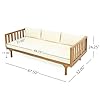
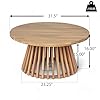
Merax Outdoor 4-Piece Acacia Wood Conversation Set - Patio 3-Seat Loveseat Sofa Daybed with Cushion, 2 Armchair and Round Coffee Table for Backyard, Lawn, Balcony, Teak + Beige
(as of October 24, 2026 00:54 GMT -04:00 - More infoProduct prices and availability are accurate as of the date/time indicated and are subject to change. Any price and availability information displayed on [relevant Amazon Site(s), as applicable] at the time of purchase will apply to the purchase of this product.)


Werph 3-Piece Acacia Wood Outdoor Patio Furniture Set
(as of October 23, 2026 15:53 GMT -04:00 - More infoProduct prices and availability are accurate as of the date/time indicated and are subject to change. Any price and availability information displayed on [relevant Amazon Site(s), as applicable] at the time of purchase will apply to the purchase of this product.)





Christopher Knight Home 312395 Alfy Outdoor Club Chair with Cushions (Set of 2), Teak Finish, Beige
(as of October 23, 2026 17:40 GMT -04:00 - More infoProduct prices and availability are accurate as of the date/time indicated and are subject to change. Any price and availability information displayed on [relevant Amazon Site(s), as applicable] at the time of purchase will apply to the purchase of this product.)


Christopher Knight Home Lorna 4-Seater Patio Furniture Set with Removable Cushion, 4 Piece Outdoor Acacia Wood Conversation Set, Sold Wood Outdoor Sectional Sofa Set with Coffee Table, Teak+Beige
(as of October 23, 2026 17:40 GMT -04:00 - More infoProduct prices and availability are accurate as of the date/time indicated and are subject to change. Any price and availability information displayed on [relevant Amazon Site(s), as applicable] at the time of purchase will apply to the purchase of this product.)





Oasbira Aluminum Outdoor Patio Furniture Set with Coffee Table, 4 Piece Patio Conversation Sets with Washable Thick Cushions, Outdoor Sectional Furniture Set for Poolside, Balcony, Deck, Gray
(as of July 14, 2026 04:23 GMT -04:00 - More infoProduct prices and availability are accurate as of the date/time indicated and are subject to change. Any price and availability information displayed on [relevant Amazon Site(s), as applicable] at the time of purchase will apply to the purchase of this product.)
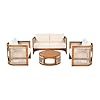
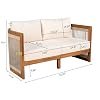


KLMM 4-Piece Patio Seating Group with 2 Chairs, Loveseat & Table,Acacia Wood Outdoor Furniture Set, Curved Tub Design with Woven Rope Accents,for Patio Balcony Garden (Teak+Beige-PP)
(as of October 23, 2026 18:00 GMT -04:00 - More infoProduct prices and availability are accurate as of the date/time indicated and are subject to change. Any price and availability information displayed on [relevant Amazon Site(s), as applicable] at the time of purchase will apply to the purchase of this product.)





Furniture Clinic Teak Oil | Wood Oil Protects & Cleans Outdoor & Indoor Furniture, Boats, Shower Benches | Restore & Protect Wood, Prevent Drying & Other Damage | Natural Matte Finish | 17oz/500ml
(as of October 23, 2026 18:02 GMT -04:00 - More infoProduct prices and availability are accurate as of the date/time indicated and are subject to change. Any price and availability information displayed on [relevant Amazon Site(s), as applicable] at the time of purchase will apply to the purchase of this product.)


Merax 4 Piece Patio Outdoor Furniture Set, All-Weather Acacia Wood Loveseat Sofa, 2 Armchairs w/Coushions, 1 Coffee Table for Porch, Lawn, Backyard, Balcony Teak+ Beige
(as of October 23, 2026 18:02 GMT -04:00 - More infoProduct prices and availability are accurate as of the date/time indicated and are subject to change. Any price and availability information displayed on [relevant Amazon Site(s), as applicable] at the time of purchase will apply to the purchase of this product.)
Now retrieving an image set.
Rattaner Patio Furniture Set 6 Pieces Couch Outdoor Furniture Sofa Set Storage Table Hight Backrest Anti-Slip Cushions and Waterproof Covers, Peacock Blue
$469.99 (as of October 24, 2026 07:03 GMT -04:00 - More infoProduct prices and availability are accurate as of the date/time indicated and are subject to change. Any price and availability information displayed on [relevant Amazon Site(s), as applicable] at the time of purchase will apply to the purchase of this product.)
Now retrieving an image set.
Flamaker 3 Pieces Patio Furniture Set Outdoor Wicker Bistro Chair (Black) | Modern Patio Conversation Rattan Front Porch Chairs Set of 2 with Coffee Table for Balcony and Yard
$89.99 (as of October 24, 2026 07:03 GMT -04:00 - More infoProduct prices and availability are accurate as of the date/time indicated and are subject to change. Any price and availability information displayed on [relevant Amazon Site(s), as applicable] at the time of purchase will apply to the purchase of this product.)
Now retrieving an image set.
KROFEM 4 Piece Patio Furniture Set, Outdoor Wicker Conversation Set | Washable Cushions, 2 Armchairs + Loveseat Sofa + Coffee Table, Rustproof Steel Frame, Black
$269.99 (as of October 24, 2026 07:03 GMT -04:00 - More infoProduct prices and availability are accurate as of the date/time indicated and are subject to change. Any price and availability information displayed on [relevant Amazon Site(s), as applicable] at the time of purchase will apply to the purchase of this product.)
Now retrieving an image set.
Shintenchi 4 Piece Outdoor Patio Furniture Sets, Small Wicker Patio Conversation Furniture Rattan Chair Set with Tempered Glass Coffee Table for Backyard Porch Garden Poolside Balcony,Black
$129.99 (as of October 24, 2026 07:03 GMT -04:00 - More infoProduct prices and availability are accurate as of the date/time indicated and are subject to change. Any price and availability information displayed on [relevant Amazon Site(s), as applicable] at the time of purchase will apply to the purchase of this product.)
Now retrieving an image set.