

Quick Summary: Teak weathering refers to the natural process where teak wood changes in appearance and color due to exposure to environmental elements. This occurs when ultraviolet (UV) rays from the sun, moisture, and air interact with the wood’s surface, leading to a gradual fading from its original golden-brown hue to a silvery-gray tone. Over time, the wood may also develop a rough texture as the outer fibers break down. Proper maintenance, such as regular oiling or sealing, can help mitigate this weathering effect and preserve the wood’s aesthetic appeal.

In This Article
- Understanding Teak Weathering and Its Effects on Wood Appearance
- What is Teak Weathering?
- Factors Contributing to Teak Weathering
- The Effects of Weathering on Teak Wood Appearance
- Maintaining Teak Wood: Practical Steps
- The Benefits of Weathered Teak
- Conclusion
- Important Questions and Answers
- What causes teak wood to weather?
- How can I prevent teak from weathering?
- Does weathered teak lose its durability?
- Can weathered teak be restored?
Understanding Teak Weathering and Its Effects on Wood Appearance
Teak weathering is a fascinating transformation that showcases the wood’s resilience and adaptability to the elements. As it endures the relentless assault of UV rays, moisture, and air, the once vibrant golden-brown surface gradually evolves into a distinguished silvery-gray patina, telling a story of time and exposure. This natural aging process not only alters the color but also affects the texture, as the outer fibers begin to break down, creating a unique tactile experience. Understanding this phenomenon is essential for anyone looking to maintain the beauty and integrity of teak wood, as proper care can significantly enhance its longevity and visual appeal.
Teak wood, renowned for its durability and rich golden-brown hue, is a popular choice for outdoor furniture and decking. However, over time, exposure to the elements can lead to weathering, which alters its appearance and texture. Understanding the weathering process of teak wood is essential for maintaining its beauty and longevity. This article delves into the factors that contribute to teak weathering, the effects it has on wood appearance, and practical maintenance tips to preserve its natural allure.
What is Teak Weathering?
Teak weathering refers to the natural process by which teak wood changes in color and texture due to environmental exposure. This includes factors such as sunlight, rain, humidity, and temperature fluctuations. As teak ages, it undergoes a transformation from its original warm tones to a silvery-gray patina. This change is not merely cosmetic; it also affects the wood’s structural integrity and resistance to decay.
Factors Contributing to Teak Weathering
- Sunlight: Ultraviolet (UV) rays from the sun are one of the primary causes of weathering in teak wood. Prolonged exposure can break down the lignin in the wood, leading to fading and discoloration.
- Moisture: Rain and humidity can cause teak to swell and contract, which may lead to cracking or splitting over time. While teak is naturally resistant to moisture, excessive exposure can still have detrimental effects.
- Temperature Changes: Fluctuations in temperature can cause the wood to expand and contract, contributing to physical changes in its structure. This can lead to warping or twisting if not properly managed.
- Airborne Pollutants: Dust, dirt, and pollutants can accumulate on the surface of teak wood, leading to discoloration and a dull appearance. Regular cleaning is essential to prevent buildup.
The Effects of Weathering on Teak Wood Appearance
The weathering process can significantly alter the aesthetic qualities of teak wood. Initially, freshly cut teak displays a rich golden-brown color that many homeowners find appealing. However, as it weathers, this vibrant hue fades into a muted gray tone. While some people appreciate the rustic charm of weathered teak, others may prefer to maintain its original color.
Additionally, weathered teak may develop a rough texture due to the breakdown of its surface fibers. This can make the wood feel less smooth and inviting, which is particularly important for furniture pieces that are frequently touched or used.
Maintaining Teak Wood: Practical Steps
To preserve the beauty and integrity of teak wood, regular maintenance is crucial. Here are some practical steps you can take:
- Regular Cleaning: Clean your teak furniture or decking at least twice a year using a soft brush and mild soap mixed with water. This helps remove dirt and grime that can contribute to weathering.
- Use Teak Oil: Applying teak oil can help restore some of the original color and provide a protective layer against UV rays. Be sure to follow the manufacturer’s instructions for application frequency.
- Cover When Not in Use: If possible, use protective covers for your outdoor teak furniture during harsh weather conditions or when not in use for extended periods. This minimizes exposure to rain and UV light.
- Avoid Harsh Chemicals: Steer clear of bleach or other harsh cleaning agents that can damage the wood’s natural oils. Instead, opt for gentle cleaners specifically designed for teak.
- Sand When Necessary: If your teak furniture has developed rough patches or stains, consider lightly sanding the surface with fine-grit sandpaper. This can help restore a smooth finish without removing too much material.
The Benefits of Weathered Teak
While many homeowners strive to maintain the original appearance of their teak wood, there are benefits to embracing its weathered state. Weathered teak is often more resistant to further deterioration due to its natural oils being more concentrated at the surface. Additionally, many people find that the silvery-gray patina adds character and charm to their outdoor spaces.
Moreover, weathered teak requires less maintenance than freshly oiled wood. The natural aging process creates a protective barrier that reduces the need for frequent oiling or sealing. This makes it an attractive option for those who prefer a low-maintenance approach to outdoor furniture.
Conclusion
Understanding teak weathering is essential for anyone looking to maintain the beauty and longevity of their teak wood products. By recognizing the factors that contribute to weathering and implementing practical maintenance strategies, you can ensure that your teak furniture remains a stunning focal point in your outdoor space for years to come. Whether you choose to embrace the natural aging process or strive to maintain its original hue, proper care will enhance your enjoyment of this remarkable wood.
For further information on maintaining outdoor wood furniture, you may refer to resources from government sites such as nrcs.usda.gov.
Important Questions and Answers
What causes teak wood to weather?
Teak wood weathers primarily due to exposure to environmental elements such as sunlight, rain, and humidity. Ultraviolet (UV) rays from the sun break down the lignin in the wood, leading to color fading and surface degradation. Additionally, moisture can cause the wood to swell and contract, contributing to its weathering over time.
How can I prevent teak from weathering?
To prevent teak from weathering, regular maintenance is essential. Applying a high-quality teak oil or sealer can help protect the wood from UV damage and moisture. Additionally, storing teak furniture in a sheltered area during harsh weather conditions can significantly extend its lifespan and maintain its appearance.
Does weathered teak lose its durability?
Weathered teak does not necessarily lose its durability; however, it may become more susceptible to damage if not properly maintained. The natural oils in teak help protect it from decay and pests, but once these oils diminish due to weathering, the wood may require additional care. Regular cleaning and oiling can help restore its protective qualities.
Can weathered teak be restored?
Yes, weathered teak can be restored to its original beauty with proper techniques. Cleaning the surface with a mild soap solution and a soft brush can remove dirt and grime. Following this, sanding the wood lightly and applying teak oil can rejuvenate its color and enhance its protective properties.


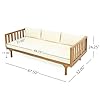
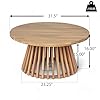
Merax Outdoor 4-Piece Acacia Wood Conversation Set - Patio 3-Seat Loveseat Sofa Daybed with Cushion, 2 Armchair and Round Coffee Table for Backyard, Lawn, Balcony, Teak + Beige
(as of October 24, 2026 00:54 GMT -04:00 - More infoProduct prices and availability are accurate as of the date/time indicated and are subject to change. Any price and availability information displayed on [relevant Amazon Site(s), as applicable] at the time of purchase will apply to the purchase of this product.)


Werph 3-Piece Acacia Wood Outdoor Patio Furniture Set
(as of October 23, 2026 15:53 GMT -04:00 - More infoProduct prices and availability are accurate as of the date/time indicated and are subject to change. Any price and availability information displayed on [relevant Amazon Site(s), as applicable] at the time of purchase will apply to the purchase of this product.)





Christopher Knight Home 312395 Alfy Outdoor Club Chair with Cushions (Set of 2), Teak Finish, Beige
(as of October 23, 2026 17:40 GMT -04:00 - More infoProduct prices and availability are accurate as of the date/time indicated and are subject to change. Any price and availability information displayed on [relevant Amazon Site(s), as applicable] at the time of purchase will apply to the purchase of this product.)


Christopher Knight Home Lorna 4-Seater Patio Furniture Set with Removable Cushion, 4 Piece Outdoor Acacia Wood Conversation Set, Sold Wood Outdoor Sectional Sofa Set with Coffee Table, Teak+Beige
(as of October 23, 2026 17:40 GMT -04:00 - More infoProduct prices and availability are accurate as of the date/time indicated and are subject to change. Any price and availability information displayed on [relevant Amazon Site(s), as applicable] at the time of purchase will apply to the purchase of this product.)





Oasbira Aluminum Outdoor Patio Furniture Set with Coffee Table, 4 Piece Patio Conversation Sets with Washable Thick Cushions, Outdoor Sectional Furniture Set for Poolside, Balcony, Deck, Gray
(as of July 14, 2026 04:23 GMT -04:00 - More infoProduct prices and availability are accurate as of the date/time indicated and are subject to change. Any price and availability information displayed on [relevant Amazon Site(s), as applicable] at the time of purchase will apply to the purchase of this product.)
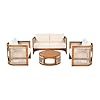
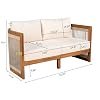


KLMM 4-Piece Patio Seating Group with 2 Chairs, Loveseat & Table,Acacia Wood Outdoor Furniture Set, Curved Tub Design with Woven Rope Accents,for Patio Balcony Garden (Teak+Beige-PP)
(as of October 23, 2026 18:00 GMT -04:00 - More infoProduct prices and availability are accurate as of the date/time indicated and are subject to change. Any price and availability information displayed on [relevant Amazon Site(s), as applicable] at the time of purchase will apply to the purchase of this product.)


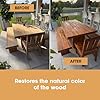


Furniture Clinic Teak Oil | Wood Oil Protects & Cleans Outdoor & Indoor Furniture, Boats, Shower Benches | Restore & Protect Wood, Prevent Drying & Other Damage | Natural Matte Finish | 17oz/500ml
(as of October 23, 2026 18:02 GMT -04:00 - More infoProduct prices and availability are accurate as of the date/time indicated and are subject to change. Any price and availability information displayed on [relevant Amazon Site(s), as applicable] at the time of purchase will apply to the purchase of this product.)


Merax 4 Piece Patio Outdoor Furniture Set, All-Weather Acacia Wood Loveseat Sofa, 2 Armchairs w/Coushions, 1 Coffee Table for Porch, Lawn, Backyard, Balcony Teak+ Beige
(as of October 23, 2026 18:02 GMT -04:00 - More infoProduct prices and availability are accurate as of the date/time indicated and are subject to change. Any price and availability information displayed on [relevant Amazon Site(s), as applicable] at the time of purchase will apply to the purchase of this product.)
Now retrieving an image set.
LAWNOOK Patio Furniture Set - All-Weather - 7 Piece Patio Outdoor Conversation Set, Modular Wicker Rattan Sectional Sofa for Backyard, Garden, Poolside, Balcony, Porch, Patio,Black/Dark Gary
$299.99 (as of October 23, 2026 07:03 GMT -04:00 - More infoProduct prices and availability are accurate as of the date/time indicated and are subject to change. Any price and availability information displayed on [relevant Amazon Site(s), as applicable] at the time of purchase will apply to the purchase of this product.)
Now retrieving an image set.
Murago Outdoor 3-Piece Wicker Bistro Set, Patio Conversation Set | 2 chairs with Coffee Table, for Balcony, Porch, Garden, Yard, Poolside, Black Frame & Black Cushion
$69.99 (as of October 23, 2026 07:03 GMT -04:00 - More infoProduct prices and availability are accurate as of the date/time indicated and are subject to change. Any price and availability information displayed on [relevant Amazon Site(s), as applicable] at the time of purchase will apply to the purchase of this product.)
Now retrieving an image set.
Wisteria Lane 4 Piece Outdoor Wicker Patio Furniture Set for All Weather | Outside Sofa Conversation Set with Table,High Backrest Support and Wide Armrest for Backyard,Balcony,Terraces(Dark Blue)
$321.29 (as of October 23, 2026 07:03 GMT -04:00 - More infoProduct prices and availability are accurate as of the date/time indicated and are subject to change. Any price and availability information displayed on [relevant Amazon Site(s), as applicable] at the time of purchase will apply to the purchase of this product.)
Now retrieving an image set.
Rattaner 3 Pieces Patio Furniture Set Outdoor Sectional Wicker Patio Furniture Patio Couch with Ottoman and Outdoor Table All-Weather Anti-Slip Cushions Waterproof Covers, Light Grey
$249.99 (as of October 23, 2026 07:03 GMT -04:00 - More infoProduct prices and availability are accurate as of the date/time indicated and are subject to change. Any price and availability information displayed on [relevant Amazon Site(s), as applicable] at the time of purchase will apply to the purchase of this product.)
Now retrieving an image set.