

Key Takeaway: To maintain teak weathering, you need a few essential tools. Start with a soft-bristle brush to remove dirt and debris without scratching the wood. A mild soap solution can help clean the surface, while a teak cleaner or brightener is useful for restoring color. Finally, apply a high-quality teak oil or sealer to protect the wood and enhance its natural beauty.

Section Overview
- Essential Tools for Effective Teak Weathering Maintenance
- 1. Teak Cleaner
- 2. Soft-Bristle Brush
- 3. Sandpaper or Sanding Block
- 4. Teak Oil or Sealant
- 5. Protective Gloves
- 6. Pressure Washer (Optional)
- 7. Rags and Towels
- 8. Maintenance Schedule
- Conclusion
- Questions You Might Have
- How can I prevent teak from weathering?
- Is weathered teak still strong and long-lasting?
- Can I restore weathered teak wood?
Essential Tools for Effective Teak Weathering Maintenance
Teak weathering is an inevitable process that can transform the rich, golden hues of this prized wood into a silvery patina over time. To preserve its beauty and longevity, having the right tools at your disposal is crucial. A soft-bristle brush gently sweeps away dirt and debris, ensuring the surface remains unscathed while a mild soap solution refreshes its appearance. For those looking to restore the vibrant color, a specialized teak cleaner or brightener can work wonders, followed by the application of high-quality teak oil or sealer to shield the wood from the elements and enhance its natural allure. Embracing these essential tools not only maintains the aesthetic appeal of teak but also extends its life, allowing you to enjoy its beauty for years to come.
1. Teak Cleaner
A high-quality teak cleaner is the first step in maintaining your teak furniture or decking. These cleaners are specifically formulated to remove dirt, grime, and the gray patina that develops over time due to exposure to sunlight and moisture. Look for products that contain oxalic acid or other natural ingredients that are safe for the environment.
- Example Product: Star brite Teak Cleaner is a popular choice among boat owners and homeowners alike. It effectively removes stains and restores the natural color of the wood.
- Application Tip: Apply the cleaner with a soft-bristle brush, working in the direction of the wood grain to avoid scratches.
2. Soft-Bristle Brush
A soft-bristle brush is essential for applying teak cleaner and scrubbing away dirt without damaging the wood. Choose a brush with synthetic bristles that can withstand moisture and won’t shed over time.
- Recommended Size: A brush with a 4-6 inch head is ideal for furniture, while a larger brush may be more suitable for decks.
- Usage Tip: For stubborn stains, allow the cleaner to sit for a few minutes before scrubbing to loosen the dirt.
3. Sandpaper or Sanding Block
After cleaning, you may notice some rough patches or areas where the wood has weathered unevenly. Sanding is an effective way to smooth these areas and prepare the surface for oil or sealant application. Use fine-grit sandpaper (220-grit) for this task.
- Sanding Technique: Always sand in the direction of the grain to avoid scratches. For larger surfaces, a sanding block can help maintain even pressure.
- Safety Tip: Wear a dust mask and goggles to protect yourself from fine particles while sanding.
4. Teak Oil or Sealant
Once your teak is clean and smooth, applying teak oil or a sealant is crucial for protecting it from future weathering. Teak oil penetrates deeply into the wood, enhancing its natural color and providing a protective barrier against moisture and UV rays.
- Popular Options: Brands like Watco Teak Oil and Semco Teak Sealer are highly recommended for their long-lasting effects.
- Application Method: Use a clean cloth or brush to apply the oil evenly across the surface. Allow it to soak in for about 15-30 minutes before wiping off any excess.
5. Protective Gloves
When working with teak cleaners, oils, and sealants, wearing protective gloves is essential to safeguard your skin from harsh chemicals and oils. Look for gloves that are durable yet flexible enough to allow for dexterity.
- Material Choice: Nitrile gloves are an excellent option as they are resistant to chemicals and provide a good grip.
- Fit Tip: Ensure that the gloves fit snugly but comfortably to allow for easy movement while working.
6. Pressure Washer (Optional)
If you have large teak surfaces, such as decks or patios, a pressure washer can be an effective tool for cleaning. However, caution is necessary as excessive pressure can damage the wood.
- Pressure Setting: Use a low-pressure setting (around 1200-1500 PSI) and maintain a distance of at least 12 inches from the surface.
- Technique: Move the nozzle in a sweeping motion rather than holding it in one spot to avoid gouging the wood.
7. Rags and Towels
Having plenty of clean rags or towels on hand is essential for applying oils, wiping off excess product, and cleaning up spills. Choose lint-free cloths to avoid leaving fibers behind on your teak surfaces.
- Material Recommendation: Microfiber towels are ideal due to their absorbency and softness.
- Cleaning Tip: Wash used rags separately from other laundry to avoid transferring any oils or chemicals.
8. Maintenance Schedule
Establishing a regular maintenance schedule is crucial for keeping your teak in optimal condition. Depending on your climate and usage, you may need to clean and oil your teak every 6 months to a year.
- Seasonal Check: Inspect your teak furniture or decking at the beginning of each season for signs of wear or damage.
- Weather Consideration: In humid climates, more frequent maintenance may be necessary due to increased moisture exposure.
Conclusion
Maintaining teak wood requires specific tools and techniques to ensure its longevity and aesthetic appeal. By using quality teak cleaners, soft-bristle brushes, sandpaper, oils, and protective gear, you can effectively combat weathering and preserve the beauty of your teak furniture or decking. Remember that regular maintenance is key; establish a schedule that suits your environment and usage patterns. With these essential tools and practices in hand, you can enjoy your teak pieces for many years to come.
Questions You Might Have
How can I prevent teak from weathering?
To prevent teak from weathering, regular maintenance is essential. Applying a high-quality teak oil or sealant can help protect the wood from UV rays and moisture. Additionally, keeping teak furniture covered or stored indoors during harsh weather conditions can significantly reduce the effects of weathering. Regular cleaning with mild soap and water also helps maintain its appearance.
Is weathered teak still strong and long-lasting?
Yes, weathered teak remains durable despite its altered appearance. The natural oils present in teak wood provide inherent resistance to decay and insect damage, which persists even as the wood weathers. While the aesthetic may change, the structural integrity of weathered teak is typically unaffected, making it a long-lasting choice for outdoor furniture and applications.
Can I restore weathered teak wood?
Weathered teak wood can be restored to its original beauty through proper cleaning and treatment. Using a teak cleaner or a mixture of mild soap and water can remove dirt and grime, followed by sanding to smooth out any rough areas. After cleaning, applying teak oil or a protective finish will help rejuvenate the color and provide ongoing protection against future weathering.


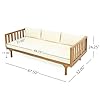
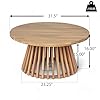
Merax Outdoor 4-Piece Acacia Wood Conversation Set - Patio 3-Seat Loveseat Sofa Daybed with Cushion, 2 Armchair and Round Coffee Table for Backyard, Lawn, Balcony, Teak + Beige
(as of October 24, 2026 00:54 GMT -04:00 - More infoProduct prices and availability are accurate as of the date/time indicated and are subject to change. Any price and availability information displayed on [relevant Amazon Site(s), as applicable] at the time of purchase will apply to the purchase of this product.)


Werph 3-Piece Acacia Wood Outdoor Patio Furniture Set
(as of October 23, 2026 15:53 GMT -04:00 - More infoProduct prices and availability are accurate as of the date/time indicated and are subject to change. Any price and availability information displayed on [relevant Amazon Site(s), as applicable] at the time of purchase will apply to the purchase of this product.)





Christopher Knight Home 312395 Alfy Outdoor Club Chair with Cushions (Set of 2), Teak Finish, Beige
(as of October 23, 2026 17:40 GMT -04:00 - More infoProduct prices and availability are accurate as of the date/time indicated and are subject to change. Any price and availability information displayed on [relevant Amazon Site(s), as applicable] at the time of purchase will apply to the purchase of this product.)


Christopher Knight Home Lorna 4-Seater Patio Furniture Set with Removable Cushion, 4 Piece Outdoor Acacia Wood Conversation Set, Sold Wood Outdoor Sectional Sofa Set with Coffee Table, Teak+Beige
(as of October 23, 2026 17:40 GMT -04:00 - More infoProduct prices and availability are accurate as of the date/time indicated and are subject to change. Any price and availability information displayed on [relevant Amazon Site(s), as applicable] at the time of purchase will apply to the purchase of this product.)





Oasbira Aluminum Outdoor Patio Furniture Set with Coffee Table, 4 Piece Patio Conversation Sets with Washable Thick Cushions, Outdoor Sectional Furniture Set for Poolside, Balcony, Deck, Gray
(as of July 14, 2026 04:23 GMT -04:00 - More infoProduct prices and availability are accurate as of the date/time indicated and are subject to change. Any price and availability information displayed on [relevant Amazon Site(s), as applicable] at the time of purchase will apply to the purchase of this product.)
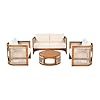
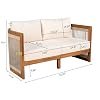


KLMM 4-Piece Patio Seating Group with 2 Chairs, Loveseat & Table,Acacia Wood Outdoor Furniture Set, Curved Tub Design with Woven Rope Accents,for Patio Balcony Garden (Teak+Beige-PP)
(as of October 23, 2026 18:00 GMT -04:00 - More infoProduct prices and availability are accurate as of the date/time indicated and are subject to change. Any price and availability information displayed on [relevant Amazon Site(s), as applicable] at the time of purchase will apply to the purchase of this product.)





Furniture Clinic Teak Oil | Wood Oil Protects & Cleans Outdoor & Indoor Furniture, Boats, Shower Benches | Restore & Protect Wood, Prevent Drying & Other Damage | Natural Matte Finish | 17oz/500ml
(as of October 23, 2026 18:02 GMT -04:00 - More infoProduct prices and availability are accurate as of the date/time indicated and are subject to change. Any price and availability information displayed on [relevant Amazon Site(s), as applicable] at the time of purchase will apply to the purchase of this product.)


Merax 4 Piece Patio Outdoor Furniture Set, All-Weather Acacia Wood Loveseat Sofa, 2 Armchairs w/Coushions, 1 Coffee Table for Porch, Lawn, Backyard, Balcony Teak+ Beige
(as of October 23, 2026 18:02 GMT -04:00 - More infoProduct prices and availability are accurate as of the date/time indicated and are subject to change. Any price and availability information displayed on [relevant Amazon Site(s), as applicable] at the time of purchase will apply to the purchase of this product.)
Now retrieving an image set.
Oasbira Aluminum Outdoor Patio Furniture Set with Coffee Table, 5 Piece Patio Conversation Sets with Washable Thick Cushions, Outdoor Sectional Furniture Set for Porch, Balcony, Deck, Yard, Graphite
$749.99 (as of October 23, 2026 07:03 GMT -04:00 - More infoProduct prices and availability are accurate as of the date/time indicated and are subject to change. Any price and availability information displayed on [relevant Amazon Site(s), as applicable] at the time of purchase will apply to the purchase of this product.)
Now retrieving an image set.
HOMEZILLIONS 3 Piece Outdoor Wicker Furniture Bistro Set, Rattan Chairs Conversation Sets Wicker Patio Furniture for Balcony Poolside Backyard
$89.99 (as of October 23, 2026 07:03 GMT -04:00 - More infoProduct prices and availability are accurate as of the date/time indicated and are subject to change. Any price and availability information displayed on [relevant Amazon Site(s), as applicable] at the time of purchase will apply to the purchase of this product.)
Now retrieving an image set.
PayLessHere | 3-Piece Outdoor Patio Furniture Set | Khaki | Modern Rattan Bistro Set with Cushioned Chairs & Tempered Glass Coffee Table | Indoor & Outdoor Seating | for Balcony, Garden, Poolside
$39.99 (as of October 23, 2026 07:03 GMT -04:00 - More infoProduct prices and availability are accurate as of the date/time indicated and are subject to change. Any price and availability information displayed on [relevant Amazon Site(s), as applicable] at the time of purchase will apply to the purchase of this product.)
Now retrieving an image set.
Devoko 3 Piece Patio Furniture Set Outdoor Wicker Conversation (Brown) | PE Rattan Patio Porch Table and Chairs Set of 2 for Balcony Garden and Yard
$99.99 (as of October 23, 2026 07:03 GMT -04:00 - More infoProduct prices and availability are accurate as of the date/time indicated and are subject to change. Any price and availability information displayed on [relevant Amazon Site(s), as applicable] at the time of purchase will apply to the purchase of this product.)
Now retrieving an image set.