Instant Answer: When buying teak furniture, avoid purchasing pieces that are not made from genuine teak wood, as many imitations exist. Check for proper certification to ensure sustainability and quality. Additionally, be cautious of overly low prices, which may indicate inferior craftsmanship or materials. Finally, consider the finish; untreated teak will weather over time, so ensure it has been properly treated for longevity.

Avoid These Common Mistakes When Buying Teak Furniture
Investing in teak furniture can elevate your living space with its timeless beauty and durability, but navigating the market requires a discerning eye. Many pieces advertised as teak may actually be imitations, so it's crucial to verify the authenticity of the wood and seek out proper certifications that guarantee both sustainability and quality. Be wary of prices that seem too good to be true, as they often signal inferior craftsmanship or subpar materials that won't stand the test of time. Additionally, consider the finish of the furniture; untreated teak can weather and lose its luster, making it essential to choose pieces that have been properly treated for longevity and resilience against the elements.
Teak furniture is renowned for its durability, beauty, and resistance to the elements, making it a popular choice for both indoor and outdoor settings. However, purchasing teak furniture can be a daunting task, especially for those unfamiliar with the nuances of this luxurious wood. To ensure you make an informed decision, here are some common mistakes to avoid when buying teak furniture.
1. Ignoring the Source of the Teak
One of the most critical factors to consider when purchasing teak furniture is the source of the wood. Teak is primarily harvested from Southeast Asia, particularly in countries like Indonesia and Myanmar. However, due to increasing demand and environmental concerns, illegal logging has become a significant issue. Always look for teak that is certified by organizations such as the Forest Stewardship Council (FSC), which ensures that the wood is sourced sustainably and ethically.
For example, if you come across a beautiful teak dining table at a local store, ask the retailer about its origin. A reputable seller should be able to provide documentation proving that the teak was harvested responsibly. This not only supports sustainable practices but also guarantees that you are investing in high-quality wood that will last for years.
2. Overlooking the Quality of Construction
Teak furniture can vary significantly in quality based on how it is constructed. Many manufacturers use inferior techniques that compromise the durability and longevity of the pieces. When evaluating teak furniture, pay close attention to the joinery. High-quality teak furniture often features mortise and tenon joints rather than staples or screws, which can weaken over time.
- Mortise and Tenon Joints: These joints are created by fitting a protruding tenon into a corresponding mortise hole, providing strength and stability.
- Dovetail Joints: Commonly used in drawers, these joints interlock in a way that enhances durability and prevents pulling apart.
- Dowels: Wooden dowels can also be used to reinforce joints, adding to the overall strength of the furniture.
Additionally, inspect the finish of the furniture. A high-quality teak piece should have a smooth finish without rough edges or splinters. If possible, feel the surface to ensure it is polished and well-crafted.
3. Not Considering Maintenance Requirements
Teak is known for its natural oils that make it resistant to moisture and pests; however, it still requires some maintenance to keep it looking its best. Many buyers mistakenly believe that teak furniture is completely maintenance-free. While it is more resilient than other woods, neglecting care can lead to discoloration or weathering over time.
To maintain your teak furniture, consider the following tips:
- Regular Cleaning: Use a mild soap solution and a soft cloth to clean your teak furniture regularly. Avoid harsh chemicals that can strip away natural oils.
- Oiling: Applying a teak oil every six months can help maintain its rich color and protect it from drying out.
- Covering: If your furniture is outdoors, invest in high-quality covers to protect it from harsh weather conditions.
By understanding these maintenance requirements upfront, you can enjoy your teak furniture for many years without unexpected surprises.
4. Failing to Measure Your Space
Before making a purchase, it’s essential to measure your space accurately. One common mistake is assuming that a piece will fit without taking precise measurements. Teak furniture can be substantial and may not fit well in smaller areas if not properly assessed.
To avoid this mistake:
- Measure Twice: Use a tape measure to determine the dimensions of your intended space. Consider not just the length and width but also the height of the furniture.
- Consider Traffic Flow: Ensure there is enough space around the furniture for movement. For example, if you are buying a dining table, allow at least 36 inches between the table and walls or other furniture for comfortable seating.
- Visualize with Tape: Use painter’s tape to outline the dimensions of the furniture on your floor. This will give you a visual representation of how much space it will occupy.
5. Choosing Style Over Comfort
While aesthetics are important when selecting teak furniture, comfort should not be overlooked. Many buyers focus solely on how a piece looks rather than how comfortable it will be for use. For instance, a stunning teak lounge chair may catch your eye, but if it lacks proper support or cushioning, it may not be enjoyable to sit in for extended periods.
To ensure comfort:
- Sit Before You Buy: Whenever possible, test out chairs and sofas in-store. Sit down and assess how they feel; check for adequate back support and seat depth.
- Pillows and Cushions: Consider adding cushions to enhance comfort. Look for outdoor cushions made from weather-resistant materials if you plan to use your furniture outside.
- Ergonomics: Pay attention to ergonomic design features that promote comfort during use, especially for dining chairs and lounge seating.
6. Neglecting Warranty and Return Policies
Finally, many buyers overlook the importance of warranty and return policies when purchasing teak furniture. A solid warranty can provide peace of mind against defects or damage over time. Before finalizing your purchase, inquire about the warranty details and what it covers.
A good warranty should include:
- Coverage Duration: Look for warranties that last at least one year or longer for structural issues.
- Return Policy: Understand the return policy in case the furniture does not meet your expectations upon delivery.
- Repair Services: Some manufacturers offer repair services for damaged pieces; inquire about this option as well.
By avoiding these common mistakes when buying teak furniture, you can ensure that your investment is both beautiful and functional. With proper care and consideration, your teak pieces will enhance your home for years to come.
Other Questions People Ask
How do you care for teak furniture?
Caring for teak furniture involves regular cleaning and occasional oiling to maintain its rich color and prevent drying out. Use a mild soap solution and a soft cloth to clean the surface, avoiding harsh chemicals that can damage the wood. If desired, applying teak oil every few months can help preserve its appearance and protect it from the elements.
What is one smart first step?
Pick a small, repeatable action you can do daily. Track it for a week to build momentum, then add a second step.
What common mistake should I avoid?
Changing too much at once. Keep changes small and sustainable, and plan simple safeguards for busy days.


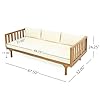
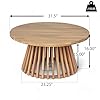
Merax Outdoor 4-Piece Acacia Wood Conversation Set - Patio 3-Seat Loveseat Sofa Daybed with Cushion, 2 Armchair and Round Coffee Table for Backyard, Lawn, Balcony, Teak + Beige
(as of October 24, 2026 00:54 GMT -04:00 - More infoProduct prices and availability are accurate as of the date/time indicated and are subject to change. Any price and availability information displayed on [relevant Amazon Site(s), as applicable] at the time of purchase will apply to the purchase of this product.)


Werph 3-Piece Acacia Wood Outdoor Patio Furniture Set
(as of October 23, 2026 15:53 GMT -04:00 - More infoProduct prices and availability are accurate as of the date/time indicated and are subject to change. Any price and availability information displayed on [relevant Amazon Site(s), as applicable] at the time of purchase will apply to the purchase of this product.)





Christopher Knight Home 312395 Alfy Outdoor Club Chair with Cushions (Set of 2), Teak Finish, Beige
(as of October 23, 2026 17:40 GMT -04:00 - More infoProduct prices and availability are accurate as of the date/time indicated and are subject to change. Any price and availability information displayed on [relevant Amazon Site(s), as applicable] at the time of purchase will apply to the purchase of this product.)


Christopher Knight Home Lorna 4-Seater Patio Furniture Set with Removable Cushion, 4 Piece Outdoor Acacia Wood Conversation Set, Sold Wood Outdoor Sectional Sofa Set with Coffee Table, Teak+Beige
(as of October 23, 2026 17:40 GMT -04:00 - More infoProduct prices and availability are accurate as of the date/time indicated and are subject to change. Any price and availability information displayed on [relevant Amazon Site(s), as applicable] at the time of purchase will apply to the purchase of this product.)





Oasbira Aluminum Outdoor Patio Furniture Set with Coffee Table, 4 Piece Patio Conversation Sets with Washable Thick Cushions, Outdoor Sectional Furniture Set for Poolside, Balcony, Deck, Gray
(as of July 14, 2026 04:23 GMT -04:00 - More infoProduct prices and availability are accurate as of the date/time indicated and are subject to change. Any price and availability information displayed on [relevant Amazon Site(s), as applicable] at the time of purchase will apply to the purchase of this product.)
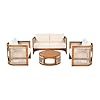
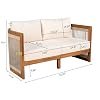


KLMM 4-Piece Patio Seating Group with 2 Chairs, Loveseat & Table,Acacia Wood Outdoor Furniture Set, Curved Tub Design with Woven Rope Accents,for Patio Balcony Garden (Teak+Beige-PP)
(as of October 23, 2026 18:00 GMT -04:00 - More infoProduct prices and availability are accurate as of the date/time indicated and are subject to change. Any price and availability information displayed on [relevant Amazon Site(s), as applicable] at the time of purchase will apply to the purchase of this product.)





Furniture Clinic Teak Oil | Wood Oil Protects & Cleans Outdoor & Indoor Furniture, Boats, Shower Benches | Restore & Protect Wood, Prevent Drying & Other Damage | Natural Matte Finish | 17oz/500ml
(as of October 23, 2026 18:02 GMT -04:00 - More infoProduct prices and availability are accurate as of the date/time indicated and are subject to change. Any price and availability information displayed on [relevant Amazon Site(s), as applicable] at the time of purchase will apply to the purchase of this product.)


Merax 4 Piece Patio Outdoor Furniture Set, All-Weather Acacia Wood Loveseat Sofa, 2 Armchairs w/Coushions, 1 Coffee Table for Porch, Lawn, Backyard, Balcony Teak+ Beige
(as of October 23, 2026 18:02 GMT -04:00 - More infoProduct prices and availability are accurate as of the date/time indicated and are subject to change. Any price and availability information displayed on [relevant Amazon Site(s), as applicable] at the time of purchase will apply to the purchase of this product.)
Now retrieving an image set.
Shintenchi 4 Piece Outdoor Patio Furniture Sets, Small Wicker Patio Conversation Furniture Rattan Chair Set with Tempered Glass Coffee Table for Backyard Porch Garden Poolside Balcony,Black
$129.99 (as of October 23, 2026 07:03 GMT -04:00 - More infoProduct prices and availability are accurate as of the date/time indicated and are subject to change. Any price and availability information displayed on [relevant Amazon Site(s), as applicable] at the time of purchase will apply to the purchase of this product.)
Now retrieving an image set.
Devoko 3 Piece Patio Furniture Set Outdoor Wicker Conversation (Brown) | PE Rattan Patio Porch Table and Chairs Set of 2 for Balcony Garden and Yard
$99.99 (as of October 23, 2026 07:03 GMT -04:00 - More infoProduct prices and availability are accurate as of the date/time indicated and are subject to change. Any price and availability information displayed on [relevant Amazon Site(s), as applicable] at the time of purchase will apply to the purchase of this product.)
Now retrieving an image set.
Shintenchi 3 Pieces Patio Furniture Set, PE Rattan Wicker 3 Pcs Patio Set, Outdoor Furniture Set with Two Outdoor Chairs and Table, Conversation Set for Garden, Poolside, Balcony, and Porch(Beige)
$164.99 (as of October 23, 2026 07:03 GMT -04:00 - More infoProduct prices and availability are accurate as of the date/time indicated and are subject to change. Any price and availability information displayed on [relevant Amazon Site(s), as applicable] at the time of purchase will apply to the purchase of this product.)
Now retrieving an image set.
DUMOS 4 Piece Patio Furniture Set, with Table and Chairs, Black | Outdoor Patio Furniture Set, Bistro Sets for Lawn, Garden, Balcony, Pool, Poolside
$86.94 (as of October 23, 2026 07:03 GMT -04:00 - More infoProduct prices and availability are accurate as of the date/time indicated and are subject to change. Any price and availability information displayed on [relevant Amazon Site(s), as applicable] at the time of purchase will apply to the purchase of this product.)
Now retrieving an image set.