

Instant Answer: To troubleshoot scratches on your teak furniture, start by cleaning the area with a soft cloth and mild soap to remove any dirt. For shallow scratches, apply a teak oil or a mixture of equal parts vinegar and olive oil, rubbing it gently into the scratch. If the scratch is deeper, consider using a fine-grit sandpaper to lightly sand the area, then reapply teak oil to restore the finish. Always test any solution on an inconspicuous area first to ensure it does not damage the wood.

Effective Solutions for Scratches on Teak Furniture
Teak furniture, known for its durability and rich, warm tones, can sometimes fall victim to unsightly scratches that mar its beauty. Addressing these imperfections requires a gentle touch and a few effective techniques to restore its original luster. By starting with a simple cleaning routine, you can prepare the surface for treatment, allowing the natural oils of the wood to shine through once again. Whether you opt for a nourishing oil application or a careful sanding process, the goal is to rejuvenate your teak pieces, ensuring they remain stunning focal points in your home for years to come.
Teak furniture is renowned for its durability and natural beauty, making it a popular choice for both indoor and outdoor settings. However, even the most resilient teak can suffer from scratches over time, whether from everyday use, moving items around, or even from pets. Fortunately, there are effective solutions to restore your teak furniture to its original glory. This guide will explore various methods to tackle scratches on teak furniture, ensuring that your pieces remain stunning and functional for years to come.
Understanding Teak Wood
Before diving into the solutions, it’s essential to understand what makes teak wood unique. Teak is a dense hardwood that contains natural oils, which not only give it a rich golden hue but also provide resistance to moisture and pests. This characteristic makes teak ideal for outdoor furniture, as it can withstand the elements better than many other woods. However, these same oils can sometimes make it challenging to repair scratches effectively. Knowing this will help you choose the right approach for your specific situation.
Assessing the Damage
The first step in addressing scratches on your teak furniture is to assess the extent of the damage. Not all scratches are created equal; some may be superficial, while others could penetrate deeper into the wood. Here’s how to evaluate the scratches:
- Superficial Scratches: These are light scratches that only affect the surface finish and can often be easily repaired.
- Moderate Scratches: These may penetrate through the finish and into the wood but do not create significant gouges.
- Deep Scratches: These are serious damages that may require sanding and refinishing to restore the furniture’s appearance.
Quick Fixes for Superficial Scratches
If you’re dealing with superficial scratches, there are several quick fixes you can try:
- Olive Oil and Vinegar Mixture: Combine equal parts of olive oil and white vinegar in a small bowl. Using a soft cloth, apply the mixture to the scratched area in a circular motion. The oil will help nourish the wood while the vinegar cleans the surface.
- Mayonnaise: Surprisingly, mayonnaise can work wonders on minor scratches. Apply a small amount directly onto the scratch and let it sit for about 10 minutes. Wipe it off with a clean cloth, and you should notice an improvement.
- Walnut or Almond: Rubbing a walnut or almond over superficial scratches can help fill them in due to the natural oils present in these nuts. Simply rub the nut over the scratch until it is less visible.
Repairing Moderate Scratches
For moderate scratches that penetrate deeper into the wood, you may need to take a few additional steps:
- Sanding: Start by lightly sanding the scratched area with fine-grit sandpaper (around 220 grit). Sand in the direction of the wood grain to avoid causing further damage. Be cautious not to sand too deeply; you only want to remove the scratch and not alter the surrounding finish.
- Staining: After sanding, if the scratch is still visible, consider applying a matching wood stain. Test the stain on a hidden area first to ensure it matches your furniture’s color. Use a small brush or cloth to apply it directly to the scratch.
- Finishing: Once the stain has dried completely, apply a clear finish or sealant designed for teak wood. This will protect the area and help blend it with the rest of the furniture.
Addressing Deep Scratches
Deep scratches require more intensive repair methods. Here’s how to handle them:
- Sanding Down: For deep scratches, you may need to sand down the entire affected area rather than just the scratch itself. Use medium-grit sandpaper (around 120 grit) first, then switch to fine-grit sandpaper for a smooth finish.
- Wood Filler: If sanding reveals a significant gouge, consider using a wood filler specifically designed for teak. Apply it according to the manufacturer’s instructions, ensuring it fills the scratch completely.
- Refinishing: After the filler has dried, sand it down until smooth and apply a matching stain followed by a clear finish. This process will help restore your furniture’s original look.
Preventive Measures
Once you’ve successfully repaired your teak furniture, it’s essential to take steps to prevent future scratches. Here are some preventive measures you can implement:
- Use Coasters: Always place coasters under drinks and hot items to prevent rings and heat damage.
- Avoid Sharp Objects: Be mindful of sharp objects like knives or tools when using your teak furniture.
- Cushioning: When moving items across your teak surfaces, use soft cloths or felt pads to avoid scratching.
- Regular Maintenance: Periodically clean your teak furniture with a gentle soap solution and apply teak oil every few months to maintain its luster and protective qualities.
Conclusion
Scratches on teak furniture can be frustrating, but with these effective solutions, you can restore your beloved pieces to their former beauty. Whether you opt for quick fixes for superficial scratches or more involved methods for deeper damage, taking action promptly will help preserve your furniture’s integrity. Remember that regular maintenance is key in preventing future scratches and ensuring your teak furniture remains a stunning centerpiece in your home or garden for years to come.
Other Questions People Ask


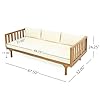
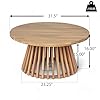
Merax Outdoor 4-Piece Acacia Wood Conversation Set - Patio 3-Seat Loveseat Sofa Daybed with Cushion, 2 Armchair and Round Coffee Table for Backyard, Lawn, Balcony, Teak + Beige
(as of October 24, 2026 00:54 GMT -04:00 - More infoProduct prices and availability are accurate as of the date/time indicated and are subject to change. Any price and availability information displayed on [relevant Amazon Site(s), as applicable] at the time of purchase will apply to the purchase of this product.)


Werph 3-Piece Acacia Wood Outdoor Patio Furniture Set
(as of October 23, 2026 15:53 GMT -04:00 - More infoProduct prices and availability are accurate as of the date/time indicated and are subject to change. Any price and availability information displayed on [relevant Amazon Site(s), as applicable] at the time of purchase will apply to the purchase of this product.)





Christopher Knight Home 312395 Alfy Outdoor Club Chair with Cushions (Set of 2), Teak Finish, Beige
(as of October 23, 2026 17:40 GMT -04:00 - More infoProduct prices and availability are accurate as of the date/time indicated and are subject to change. Any price and availability information displayed on [relevant Amazon Site(s), as applicable] at the time of purchase will apply to the purchase of this product.)


Christopher Knight Home Lorna 4-Seater Patio Furniture Set with Removable Cushion, 4 Piece Outdoor Acacia Wood Conversation Set, Sold Wood Outdoor Sectional Sofa Set with Coffee Table, Teak+Beige
(as of October 23, 2026 17:40 GMT -04:00 - More infoProduct prices and availability are accurate as of the date/time indicated and are subject to change. Any price and availability information displayed on [relevant Amazon Site(s), as applicable] at the time of purchase will apply to the purchase of this product.)





Oasbira Aluminum Outdoor Patio Furniture Set with Coffee Table, 4 Piece Patio Conversation Sets with Washable Thick Cushions, Outdoor Sectional Furniture Set for Poolside, Balcony, Deck, Gray
(as of July 14, 2026 04:23 GMT -04:00 - More infoProduct prices and availability are accurate as of the date/time indicated and are subject to change. Any price and availability information displayed on [relevant Amazon Site(s), as applicable] at the time of purchase will apply to the purchase of this product.)
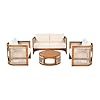
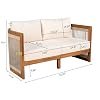


KLMM 4-Piece Patio Seating Group with 2 Chairs, Loveseat & Table,Acacia Wood Outdoor Furniture Set, Curved Tub Design with Woven Rope Accents,for Patio Balcony Garden (Teak+Beige-PP)
(as of October 23, 2026 18:00 GMT -04:00 - More infoProduct prices and availability are accurate as of the date/time indicated and are subject to change. Any price and availability information displayed on [relevant Amazon Site(s), as applicable] at the time of purchase will apply to the purchase of this product.)





Furniture Clinic Teak Oil | Wood Oil Protects & Cleans Outdoor & Indoor Furniture, Boats, Shower Benches | Restore & Protect Wood, Prevent Drying & Other Damage | Natural Matte Finish | 17oz/500ml
(as of October 23, 2026 18:02 GMT -04:00 - More infoProduct prices and availability are accurate as of the date/time indicated and are subject to change. Any price and availability information displayed on [relevant Amazon Site(s), as applicable] at the time of purchase will apply to the purchase of this product.)


Merax 4 Piece Patio Outdoor Furniture Set, All-Weather Acacia Wood Loveseat Sofa, 2 Armchairs w/Coushions, 1 Coffee Table for Porch, Lawn, Backyard, Balcony Teak+ Beige
(as of October 23, 2026 18:02 GMT -04:00 - More infoProduct prices and availability are accurate as of the date/time indicated and are subject to change. Any price and availability information displayed on [relevant Amazon Site(s), as applicable] at the time of purchase will apply to the purchase of this product.)
Now retrieving an image set.
LAWNOOK Patio Furniture Set - All-Weather - 7 Piece Patio Outdoor Conversation Set, Modular Wicker Rattan Sectional Sofa for Backyard, Garden, Poolside, Balcony, Porch, Patio,Black/Dark Gary
$299.99 (as of October 23, 2026 07:03 GMT -04:00 - More infoProduct prices and availability are accurate as of the date/time indicated and are subject to change. Any price and availability information displayed on [relevant Amazon Site(s), as applicable] at the time of purchase will apply to the purchase of this product.)
Now retrieving an image set.
Shintenchi 4 Pieces Patio Furniture Set All Weather Textile Fabric Outdoor Conversation Set, with Glass Coffee Table, Loveseat, 2 Single Chairs for Home, Garden, Lawn, Porch(Gray)
$119.99 (as of October 23, 2026 07:03 GMT -04:00 - More infoProduct prices and availability are accurate as of the date/time indicated and are subject to change. Any price and availability information displayed on [relevant Amazon Site(s), as applicable] at the time of purchase will apply to the purchase of this product.)
Now retrieving an image set.
Shintenchi 3 Pieces Patio Furniture Set, PE Rattan Wicker 3 Pcs Patio Set, Outdoor Furniture Set with Two Outdoor Chairs and Table, Conversation Set for Garden, Poolside, Balcony, and Porch(Beige)
$164.99 (as of October 23, 2026 07:03 GMT -04:00 - More infoProduct prices and availability are accurate as of the date/time indicated and are subject to change. Any price and availability information displayed on [relevant Amazon Site(s), as applicable] at the time of purchase will apply to the purchase of this product.)
Now retrieving an image set.
Devoko 3 Piece Patio Furniture Set Outdoor Wicker Conversation (Brown) | PE Rattan Patio Porch Table and Chairs Set of 2 for Balcony Garden and Yard
$99.99 (as of October 23, 2026 07:03 GMT -04:00 - More infoProduct prices and availability are accurate as of the date/time indicated and are subject to change. Any price and availability information displayed on [relevant Amazon Site(s), as applicable] at the time of purchase will apply to the purchase of this product.)
Now retrieving an image set.