

Instant Answer: Common mistakes when buying teak furniture include not verifying the quality of the wood, as lower-grade teak can be less durable and visually appealing. Buyers often overlook the importance of checking for proper construction techniques, which can affect the furniture's longevity. Additionally, failing to consider the maintenance requirements of teak can lead to dissatisfaction over time. Lastly, many consumers neglect to compare prices and warranties, potentially missing out on better deals or protections.

Avoid These Common Mistakes When Buying Teak Patio Furniture
Investing in teak patio furniture can elevate your outdoor space, but many buyers fall into traps that can lead to regret. One common misstep is overlooking the quality of the wood; not all teak is created equal, and lower-grade options can compromise both durability and aesthetics. Additionally, the construction techniques used in the furniture can significantly impact its lifespan, yet this detail often goes unnoticed. Maintenance is another crucial factor that can catch buyers off guard, as the natural beauty of teak requires some care to keep it looking its best. Lastly, neglecting to compare prices and warranties may result in missed opportunities for better deals and protections, leaving you with less value for your investment.
Purchasing teak patio furniture can be a significant investment, and making the right choice is crucial for both aesthetics and durability. Teak is renowned for its natural beauty and resilience, but many buyers fall into common pitfalls that can lead to dissatisfaction. This article will outline these mistakes and provide you with actionable advice to ensure you make an informed decision.
1. Ignoring the Quality of the Teak
Not all teak is created equal. When shopping for teak patio furniture, it’s essential to understand the difference between various grades of teak. Look for Grade A teak, which is harvested from the heartwood of the tree and is known for its rich color and high oil content. This type of teak is more resistant to weathering and pests, making it ideal for outdoor use.
In contrast, Grade B and C teak may include sapwood, which is less durable and more susceptible to damage. For instance, if you purchase a Grade C teak table, you might find that it warps or cracks after just a few seasons of exposure to the elements. Always ask the retailer about the grade of the teak before making a purchase.
2. Overlooking the Finish
The finish on your teak furniture plays a significant role in its longevity and appearance. Many buyers assume that teak does not require any treatment due to its natural oils, but this is a misconception. While untreated teak will eventually turn a silvery-gray color, applying a protective finish can help maintain its original hue and prevent weathering.
Consider using a teak oil or a protective sealant specifically designed for outdoor furniture. For example, applying a high-quality teak oil every six months can enhance the wood’s natural beauty and provide an additional layer of protection against moisture and UV rays. Neglecting this step can lead to fading and deterioration over time.
3. Not Considering the Size and Scale
Another common mistake is failing to consider the size and scale of the furniture in relation to your outdoor space. Before making a purchase, measure your patio or deck area to ensure that the furniture will fit comfortably without overcrowding the space.
- Dining Sets: If you’re looking at a dining set, ensure there’s enough room for chairs to be pulled out without obstruction. A good rule of thumb is to allow at least 36 inches between the table and any walls or other furniture.
- Loungers: For lounge chairs or chaises, consider how much space you need for reclining. If your patio is small, opt for compact designs that can be easily moved or stored.
Visualizing the layout with tape on the ground can help you see how different pieces will fit together in your space.
4. Skipping the Comfort Test
Comfort should never be an afterthought when purchasing patio furniture. Many buyers focus solely on aesthetics and neglect to test how comfortable the pieces are. Spend time sitting on chairs or lounging on sofas before making a decision.
Look for features such as:
- Cushioning: Check if the cushions are thick enough and made from high-density foam for optimal comfort.
- Ergonomics: Ensure that chairs have a comfortable backrest angle and armrests that suit your height.
For example, if you plan to host gatherings, you’ll want seating that encourages guests to relax and enjoy their time outdoors. Don’t hesitate to try out different styles until you find what feels best for you.
5. Failing to Research Maintenance Requirements
Teak furniture is relatively low-maintenance compared to other types of wood, but it still requires some care to keep it looking its best. Many buyers underestimate the importance of regular maintenance, leading to premature wear and tear.
Here are some maintenance tips:
- Cleaning: Use a soft brush or cloth and mild soap mixed with water to clean your teak furniture regularly. Avoid harsh chemicals that can strip away natural oils.
- Storage: If possible, store your furniture indoors during harsh weather conditions or cover it with breathable fabric to protect it from rain and snow.
- Seasonal Care: At the beginning of each season, inspect your furniture for any signs of wear or damage and address them promptly.
6. Not Considering Your Climate
Your local climate plays a significant role in how well your teak furniture will perform over time. For instance, if you live in an area with high humidity, your furniture may require more frequent maintenance to prevent mold or mildew growth.
If you reside in a region with extreme temperatures, consider how this might affect your furniture’s longevity. In very hot climates, direct sunlight can cause fading, while cold temperatures can lead to cracking if moisture gets trapped in the wood. Understanding these factors can help you choose the right pieces and maintenance routine for your environment.
7. Impulse Buying
Finally, one of the biggest mistakes buyers make is rushing into a purchase without doing adequate research. It’s easy to get swept up in a sale or fall in love with a particular piece at first sight, but taking your time can save you from buyer’s remorse later on.
Create a checklist of what you want in your teak furniture—considering factors like style, comfort, size, and budget—and compare different options before making a decision. Visit multiple retailers, read reviews, and consult with friends or family who have experience with teak furniture. This thorough approach will help ensure that you make a well-informed choice that you’ll be happy with for years to come.
By avoiding these common mistakes when buying teak patio furniture, you can enjoy beautiful, durable pieces that enhance your outdoor living space for many seasons ahead. Remember that investing time in research and consideration will pay off in the long run, leading to a more satisfying purchase experience.
Other Questions People Ask
How should I care for my teak patio furniture?
Caring for teak patio furniture involves regular cleaning and occasional oiling to maintain its rich color and prevent fading. Use a mild soap solution and a soft brush to remove dirt and debris, rinsing thoroughly afterward. If you prefer to keep the original golden hue, applying teak oil every six months can help preserve its appearance.
What common mistakes should you avoid with teak patio furniture?
When using teak patio furniture, people often overlook fundamental principles or skip important steps. Rushing through the process or failing to plan can lead to poor outcomes. Being aware of these common pitfalls allows you to avoid them from the start. Careful preparation and attention to detail will help you achieve the desired results.
What tips can help beginners succeed with teak patio furniture?
Beginners benefit from starting with the basics of teak patio furniture and focusing on core practices. Setting realistic goals and building skills gradually can boost confidence. Seeking out reputable tutorials or mentors accelerates progress and reduces frustration. Patience and consistency are key to mastering the essentials and moving on to more advanced techniques.


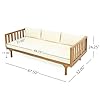
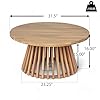
Merax Outdoor 4-Piece Acacia Wood Conversation Set - Patio 3-Seat Loveseat Sofa Daybed with Cushion, 2 Armchair and Round Coffee Table for Backyard, Lawn, Balcony, Teak + Beige
(as of October 24, 2026 00:54 GMT -04:00 - More infoProduct prices and availability are accurate as of the date/time indicated and are subject to change. Any price and availability information displayed on [relevant Amazon Site(s), as applicable] at the time of purchase will apply to the purchase of this product.)


Werph 3-Piece Acacia Wood Outdoor Patio Furniture Set
(as of October 23, 2026 15:53 GMT -04:00 - More infoProduct prices and availability are accurate as of the date/time indicated and are subject to change. Any price and availability information displayed on [relevant Amazon Site(s), as applicable] at the time of purchase will apply to the purchase of this product.)





Christopher Knight Home 312395 Alfy Outdoor Club Chair with Cushions (Set of 2), Teak Finish, Beige
(as of October 23, 2026 17:40 GMT -04:00 - More infoProduct prices and availability are accurate as of the date/time indicated and are subject to change. Any price and availability information displayed on [relevant Amazon Site(s), as applicable] at the time of purchase will apply to the purchase of this product.)


Christopher Knight Home Lorna 4-Seater Patio Furniture Set with Removable Cushion, 4 Piece Outdoor Acacia Wood Conversation Set, Sold Wood Outdoor Sectional Sofa Set with Coffee Table, Teak+Beige
(as of October 23, 2026 17:40 GMT -04:00 - More infoProduct prices and availability are accurate as of the date/time indicated and are subject to change. Any price and availability information displayed on [relevant Amazon Site(s), as applicable] at the time of purchase will apply to the purchase of this product.)





Oasbira Aluminum Outdoor Patio Furniture Set with Coffee Table, 4 Piece Patio Conversation Sets with Washable Thick Cushions, Outdoor Sectional Furniture Set for Poolside, Balcony, Deck, Gray
(as of July 14, 2026 04:23 GMT -04:00 - More infoProduct prices and availability are accurate as of the date/time indicated and are subject to change. Any price and availability information displayed on [relevant Amazon Site(s), as applicable] at the time of purchase will apply to the purchase of this product.)
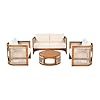
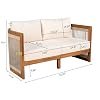


KLMM 4-Piece Patio Seating Group with 2 Chairs, Loveseat & Table,Acacia Wood Outdoor Furniture Set, Curved Tub Design with Woven Rope Accents,for Patio Balcony Garden (Teak+Beige-PP)
(as of October 23, 2026 18:00 GMT -04:00 - More infoProduct prices and availability are accurate as of the date/time indicated and are subject to change. Any price and availability information displayed on [relevant Amazon Site(s), as applicable] at the time of purchase will apply to the purchase of this product.)





Furniture Clinic Teak Oil | Wood Oil Protects & Cleans Outdoor & Indoor Furniture, Boats, Shower Benches | Restore & Protect Wood, Prevent Drying & Other Damage | Natural Matte Finish | 17oz/500ml
(as of October 23, 2026 18:02 GMT -04:00 - More infoProduct prices and availability are accurate as of the date/time indicated and are subject to change. Any price and availability information displayed on [relevant Amazon Site(s), as applicable] at the time of purchase will apply to the purchase of this product.)


Merax 4 Piece Patio Outdoor Furniture Set, All-Weather Acacia Wood Loveseat Sofa, 2 Armchairs w/Coushions, 1 Coffee Table for Porch, Lawn, Backyard, Balcony Teak+ Beige
(as of October 23, 2026 18:02 GMT -04:00 - More infoProduct prices and availability are accurate as of the date/time indicated and are subject to change. Any price and availability information displayed on [relevant Amazon Site(s), as applicable] at the time of purchase will apply to the purchase of this product.)
Now retrieving an image set.
LEVELEVE 3 pcs Rocking Bistro Set Conversation Chairs PE Wicker Outdoor Rocking Chairs & Glass Table,for Porch Lawn Garden Backyard Deck(Rocking Set,Black)
$179.54 (as of October 23, 2026 07:03 GMT -04:00 - More infoProduct prices and availability are accurate as of the date/time indicated and are subject to change. Any price and availability information displayed on [relevant Amazon Site(s), as applicable] at the time of purchase will apply to the purchase of this product.)
Now retrieving an image set.
KROFEM 4 Piece Patio Furniture Set, Outdoor Wicker Conversation Set | Washable Cushions, 2 Armchairs + Loveseat Sofa + Coffee Table, Rustproof Steel Frame, Black
$269.99 (as of October 23, 2026 07:03 GMT -04:00 - More infoProduct prices and availability are accurate as of the date/time indicated and are subject to change. Any price and availability information displayed on [relevant Amazon Site(s), as applicable] at the time of purchase will apply to the purchase of this product.)
Now retrieving an image set.
Wisteria Lane 4 Piece Outdoor Wicker Patio Furniture Set for All Weather | Outside Sofa Conversation Set with Table,High Backrest Support and Wide Armrest for Backyard,Balcony,Terraces(Dark Blue)
$321.29 (as of October 23, 2026 07:03 GMT -04:00 - More infoProduct prices and availability are accurate as of the date/time indicated and are subject to change. Any price and availability information displayed on [relevant Amazon Site(s), as applicable] at the time of purchase will apply to the purchase of this product.)
Now retrieving an image set.
7 Piece Outdoor Patio Sectional Furniture Set, Modular Wicker Outdoor Couch | Modern Rattan Patio Conversation Sofa Set w/Washable Thick Cushions & Coffee Table for Balcony, Porch, Garden, Brown/Beige
$323.99 (as of October 23, 2026 07:03 GMT -04:00 - More infoProduct prices and availability are accurate as of the date/time indicated and are subject to change. Any price and availability information displayed on [relevant Amazon Site(s), as applicable] at the time of purchase will apply to the purchase of this product.)
Now retrieving an image set.