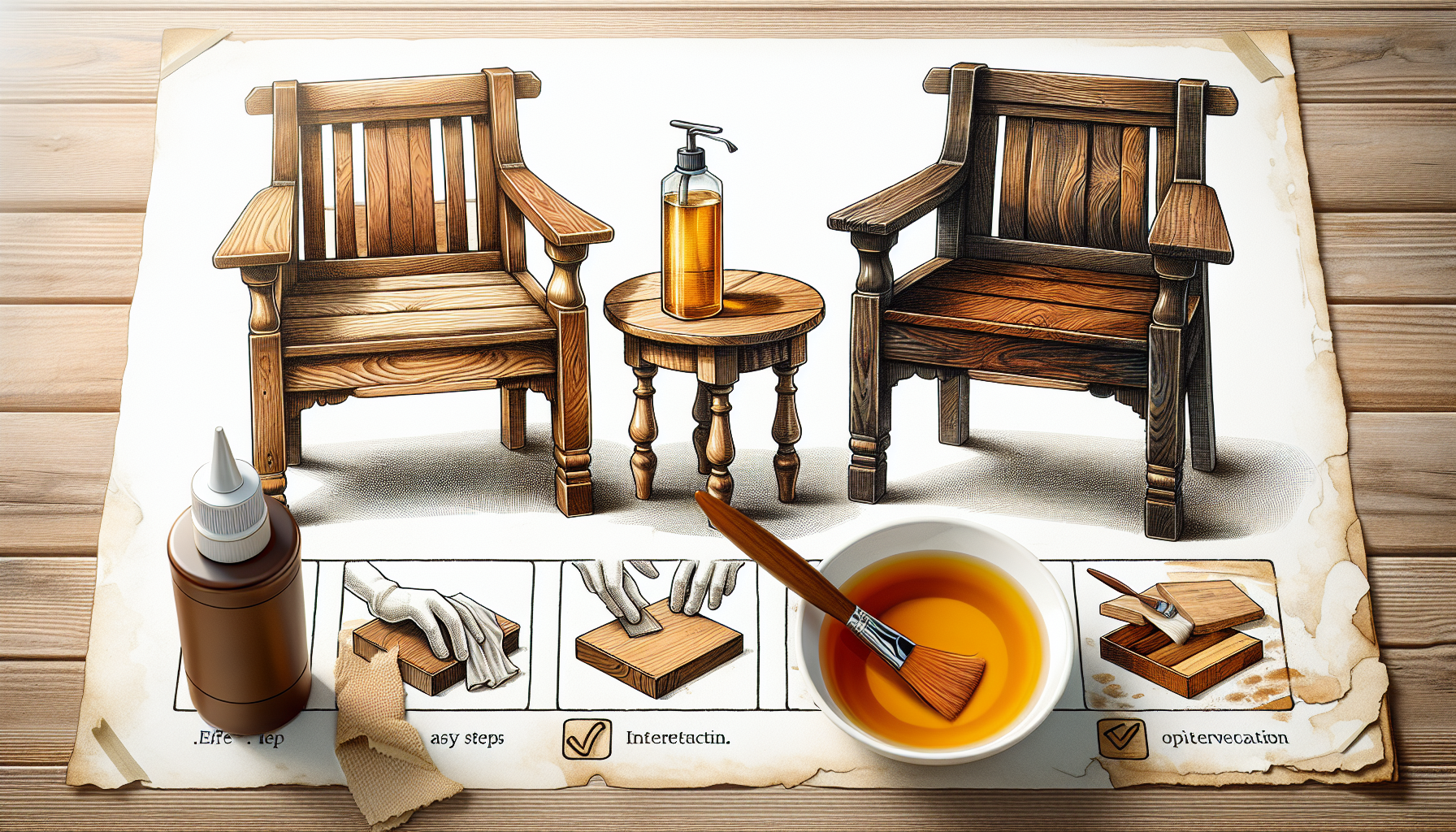

Instant Answer: To troubleshoot mold on teak patio furniture, start by cleaning the affected areas with a mixture of mild soap and water. Use a soft brush to gently scrub the mold away, then rinse thoroughly with clean water. After cleaning, allow the furniture to dry completely in the sun, as sunlight helps kill remaining spores. If mold persists, consider using a specialized teak cleaner or a diluted solution of vinegar and water, followed by proper rinsing and drying.

Table of Contents
- Effective Solutions for Mold on Teak Patio Furniture
- Understanding Mold Growth on Teak
- Identifying Mold on Teak Furniture
- Step-by-Step Mold Removal Process
- Preventing Future Mold Growth
- When to Seek Professional Help
- Conclusion
- Other Questions People Ask
- What common mistakes should you avoid with teak patio furniture?
- What tips can help beginners succeed with teak patio furniture?
- How does teak patio furniture compare to alternatives?
Effective Solutions for Mold on Teak Patio Furniture
Mold can quickly turn your beautiful teak patio furniture into an unsightly eyesore, but tackling this issue doesn't have to be daunting. Begin by gently scrubbing the affected areas with a mixture of mild soap and water, allowing the natural beauty of the wood to shine through once more. The sun is your ally in this battle; after cleaning, let your furniture bask in its rays to eliminate any lingering spores. For stubborn mold, a specialized teak cleaner or a simple vinegar solution can work wonders, restoring your outdoor oasis to its former glory. With a little care and attention, your teak furniture can remain a stunning centerpiece for your patio.
Teak wood is renowned for its durability and natural resistance to the elements, making it a popular choice for outdoor furniture. However, even the most resilient teak can fall victim to mold growth, especially in humid environments. Mold not only detracts from the aesthetic appeal of your furniture but can also compromise its structural integrity over time. This article will explore effective solutions for removing mold from teak patio furniture and preventing its return.
Understanding Mold Growth on Teak
Mold thrives in damp, warm environments, and teak furniture left outdoors can provide the perfect breeding ground. The natural oils in teak can initially repel moisture, but over time, exposure to rain, humidity, and lack of sunlight can lead to mold growth. Common types of mold that affect teak include Aspergillus, Penicillium, and Cladosporium. These molds appear as dark spots or patches on the wood surface and can vary in color from green to black.
Identifying Mold on Teak Furniture
Before you can effectively treat mold on your teak furniture, it’s essential to identify its presence. Look for:
- Discoloration: Dark spots or patches on the surface of the wood.
- Foul Odor: A musty smell emanating from the furniture.
- Texture Changes: A rough or fuzzy texture where mold has developed.
If you notice any of these signs, it’s time to take action.
Step-by-Step Mold Removal Process
Removing mold from teak furniture requires a careful approach to avoid damaging the wood. Follow these steps for effective cleaning:
1. Gather Your Supplies
Before starting the cleaning process, gather the following supplies:
- Soft-bristle brush or sponge
- Bucket
- Warm water
- Mild soap (like dish soap)
- White vinegar or hydrogen peroxide (optional)
- Protective gloves and mask
2. Prepare the Cleaning Solution
Mix a few drops of mild soap into a bucket of warm water. For tougher mold stains, consider adding a cup of white vinegar or hydrogen peroxide to the solution. Both vinegar and hydrogen peroxide are natural mold killers that can enhance your cleaning efforts.
3. Scrub the Affected Areas
Using a soft-bristle brush or sponge, gently scrub the affected areas of your teak furniture. Be sure to work in the direction of the wood grain to avoid scratching the surface. For stubborn mold spots, allow the cleaning solution to sit for a few minutes before scrubbing again.
4. Rinse Thoroughly
After scrubbing, rinse the furniture with clean water to remove any soap residue and loosened mold. It’s crucial to ensure that no cleaning solution remains on the wood, as this can lead to further damage or attract more mold.
5. Dry Completely
Once rinsed, dry the furniture thoroughly with a clean towel. Leaving moisture on teak can encourage mold to return, so ensure that all surfaces are completely dry before placing the furniture back outdoors.
Preventing Future Mold Growth
After successfully removing mold from your teak patio furniture, it’s essential to take preventive measures to keep it at bay in the future:
1. Regular Cleaning
Establish a routine cleaning schedule for your teak furniture. Wipe down surfaces with a damp cloth every few weeks to remove dust and moisture that can promote mold growth.
2. Proper Storage
If possible, store your teak furniture indoors during the off-season or when not in use for extended periods. If indoor storage isn’t an option, consider using protective covers designed for outdoor furniture to shield it from rain and humidity.
3. Maintain Airflow
Ensure that your patio area has good airflow. Avoid placing furniture too close together or against walls where air circulation is limited. This will help keep surfaces dry and reduce humidity levels.
4. Use Teak Oil
Applying a high-quality teak oil can help maintain the natural oils in the wood and provide an additional layer of protection against moisture. Reapply teak oil every six months to keep your furniture looking its best and to enhance its resistance to mold.
When to Seek Professional Help
If you find that mold persists despite your cleaning efforts or if it has penetrated deep into the wood, it may be time to consult a professional restoration service. Professionals have access to specialized equipment and treatments that can effectively remove stubborn mold without damaging your furniture.
Conclusion
Mold on teak patio furniture can be unsightly and damaging if not addressed promptly. By following these practical steps for removal and implementing preventive measures, you can keep your outdoor space looking beautiful and extend the life of your teak furniture. Regular maintenance and care will ensure that your investment remains in excellent condition for years to come.
Other Questions People Ask
What common mistakes should you avoid with teak patio furniture?
When using teak patio furniture, people often overlook fundamental principles or skip important steps. Rushing through the process or failing to plan can lead to poor outcomes. Being aware of these common pitfalls allows you to avoid them from the start. Careful preparation and attention to detail will help you achieve the desired results.
What tips can help beginners succeed with teak patio furniture?
Beginners benefit from starting with the basics of teak patio furniture and focusing on core practices. Setting realistic goals and building skills gradually can boost confidence. Seeking out reputable tutorials or mentors accelerates progress and reduces frustration. Patience and consistency are key to mastering the essentials and moving on to more advanced techniques.
How does teak patio furniture compare to alternatives?
Comparing teak patio furniture to alternative options highlights its unique strengths and weaknesses. Evaluating factors like cost, performance and ease of use can clarify which option is best for you. Some alternatives may excel in specific areas, while teak patio furniture offers advantages elsewhere. A balanced assessment will help you choose the solution that fits your priorities.


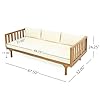
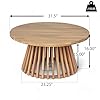
Merax Outdoor 4-Piece Acacia Wood Conversation Set - Patio 3-Seat Loveseat Sofa Daybed with Cushion, 2 Armchair and Round Coffee Table for Backyard, Lawn, Balcony, Teak + Beige
(as of October 24, 2026 00:54 GMT -04:00 - More infoProduct prices and availability are accurate as of the date/time indicated and are subject to change. Any price and availability information displayed on [relevant Amazon Site(s), as applicable] at the time of purchase will apply to the purchase of this product.)


Werph 3-Piece Acacia Wood Outdoor Patio Furniture Set
(as of October 23, 2026 15:53 GMT -04:00 - More infoProduct prices and availability are accurate as of the date/time indicated and are subject to change. Any price and availability information displayed on [relevant Amazon Site(s), as applicable] at the time of purchase will apply to the purchase of this product.)





Christopher Knight Home 312395 Alfy Outdoor Club Chair with Cushions (Set of 2), Teak Finish, Beige
(as of October 23, 2026 17:40 GMT -04:00 - More infoProduct prices and availability are accurate as of the date/time indicated and are subject to change. Any price and availability information displayed on [relevant Amazon Site(s), as applicable] at the time of purchase will apply to the purchase of this product.)


Christopher Knight Home Lorna 4-Seater Patio Furniture Set with Removable Cushion, 4 Piece Outdoor Acacia Wood Conversation Set, Sold Wood Outdoor Sectional Sofa Set with Coffee Table, Teak+Beige
(as of October 23, 2026 17:40 GMT -04:00 - More infoProduct prices and availability are accurate as of the date/time indicated and are subject to change. Any price and availability information displayed on [relevant Amazon Site(s), as applicable] at the time of purchase will apply to the purchase of this product.)





Oasbira Aluminum Outdoor Patio Furniture Set with Coffee Table, 4 Piece Patio Conversation Sets with Washable Thick Cushions, Outdoor Sectional Furniture Set for Poolside, Balcony, Deck, Gray
(as of July 14, 2026 04:23 GMT -04:00 - More infoProduct prices and availability are accurate as of the date/time indicated and are subject to change. Any price and availability information displayed on [relevant Amazon Site(s), as applicable] at the time of purchase will apply to the purchase of this product.)
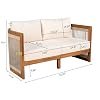


KLMM 4-Piece Patio Seating Group with 2 Chairs, Loveseat & Table,Acacia Wood Outdoor Furniture Set, Curved Tub Design with Woven Rope Accents,for Patio Balcony Garden (Teak+Beige-PP)
(as of October 23, 2026 18:00 GMT -04:00 - More infoProduct prices and availability are accurate as of the date/time indicated and are subject to change. Any price and availability information displayed on [relevant Amazon Site(s), as applicable] at the time of purchase will apply to the purchase of this product.)


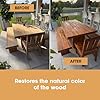


Furniture Clinic Teak Oil | Wood Oil Protects & Cleans Outdoor & Indoor Furniture, Boats, Shower Benches | Restore & Protect Wood, Prevent Drying & Other Damage | Natural Matte Finish | 17oz/500ml
(as of October 23, 2026 18:02 GMT -04:00 - More infoProduct prices and availability are accurate as of the date/time indicated and are subject to change. Any price and availability information displayed on [relevant Amazon Site(s), as applicable] at the time of purchase will apply to the purchase of this product.)


Merax 4 Piece Patio Outdoor Furniture Set, All-Weather Acacia Wood Loveseat Sofa, 2 Armchairs w/Coushions, 1 Coffee Table for Porch, Lawn, Backyard, Balcony Teak+ Beige
(as of October 23, 2026 18:02 GMT -04:00 - More infoProduct prices and availability are accurate as of the date/time indicated and are subject to change. Any price and availability information displayed on [relevant Amazon Site(s), as applicable] at the time of purchase will apply to the purchase of this product.)
Now retrieving an image set.
SERWALL 3 Pcs HDPE Bar Height Adirondack Chairs and Bar Table Set, Blue | Balcony Adirondack Chairs and Pub Table Set, All Weather Patio Bar Set, Outdoor Bar Stools Furniture Set
$269.99 (as of October 23, 2026 07:03 GMT -04:00 - More infoProduct prices and availability are accurate as of the date/time indicated and are subject to change. Any price and availability information displayed on [relevant Amazon Site(s), as applicable] at the time of purchase will apply to the purchase of this product.)
Now retrieving an image set.
Shintenchi 4 Pieces Patio Furniture Set All Weather Textile Fabric Outdoor Conversation Set, with Glass Coffee Table, Loveseat, 2 Single Chairs for Home, Garden, Lawn, Porch(Gray)
$119.99 (as of October 23, 2026 07:03 GMT -04:00 - More infoProduct prices and availability are accurate as of the date/time indicated and are subject to change. Any price and availability information displayed on [relevant Amazon Site(s), as applicable] at the time of purchase will apply to the purchase of this product.)
Now retrieving an image set.
LAWNOOK Patio Furniture Set - All-Weather -5 Piece Outdoor Patio Conversation Couch Sets, Modular Wicker Rattan Sectional Sofa for Garden, Patio, Poolside, Backyard, Balcony, Porch,Navy Blue
$199.99 (as of October 23, 2026 07:03 GMT -04:00 - More infoProduct prices and availability are accurate as of the date/time indicated and are subject to change. Any price and availability information displayed on [relevant Amazon Site(s), as applicable] at the time of purchase will apply to the purchase of this product.)
Now retrieving an image set.
DUMOS 4 Piece Patio Furniture Set, with Table and Chairs, Black | Outdoor Patio Furniture Set, Bistro Sets for Lawn, Garden, Balcony, Pool, Poolside
$86.94 (as of October 23, 2026 07:03 GMT -04:00 - More infoProduct prices and availability are accurate as of the date/time indicated and are subject to change. Any price and availability information displayed on [relevant Amazon Site(s), as applicable] at the time of purchase will apply to the purchase of this product.)
Now retrieving an image set.