

Instant Answer: Signs that teak furniture needs refinishing include a dull or faded appearance, visible scratches or dents, and rough or splintered surfaces. If the wood feels dry or has lost its natural luster, it may also indicate the need for refinishing. Additionally, if water no longer beads on the surface and instead soaks in, it suggests that the protective finish has worn away. Regular maintenance can help prolong the life of your teak furniture, so addressing these signs promptly is essential.

Table of Contents
- Signs Your Teak Patio Furniture Needs Refinishing
- 1. Fading Color
- 2. Surface Cracks and Splits
- 3. Rough Texture
- 4. Stains and Discoloration
- 5. Mold and Mildew Growth
- 6. Uneven Finish
- 7. Water Beading
- 8. Increased Maintenance Requirements
- 9. Age of the Furniture
- 10. Personal Preference
- Conclusion
- Other Questions People Ask
- How should I care for my teak patio furniture?
- Is teak patio furniture worth the investment?
- Can teak patio furniture be left outside year-round?
Signs Your Teak Patio Furniture Needs Refinishing
Teak patio furniture, known for its durability and timeless beauty, can lose its charm over time if not properly maintained. When the rich, warm tones begin to fade into a dull, lackluster finish, or when the surface feels rough to the touch, it’s a clear indication that your beloved pieces are in need of attention. Scratches and dents may mar the once-smooth surfaces, while water that no longer beads up and instead seeps into the wood signals that the protective finish has diminished. Recognizing these signs early can help you restore your furniture’s natural elegance and extend its lifespan, ensuring that your outdoor space remains inviting and beautiful for years to come.
Teak wood is renowned for its durability and natural beauty, making it a popular choice for patio furniture. However, even the most resilient teak can show signs of wear over time. Knowing when to refinish your teak patio furniture is crucial to maintaining its aesthetic appeal and longevity. Here are some specific signs that indicate it may be time to refinish your beloved pieces.
1. Fading Color
One of the most noticeable signs that your teak furniture needs refinishing is a significant change in color. Teak naturally has a rich, golden-brown hue that can fade to a dull gray or silver over time when exposed to sunlight and weather elements. For instance, if your once vibrant teak dining set has lost its luster and appears more like a weathered piece of driftwood, it’s a clear indication that refinishing is necessary.
2. Surface Cracks and Splits
Teak wood can develop surface cracks and splits due to prolonged exposure to moisture and temperature fluctuations. These cracks not only detract from the furniture’s appearance but can also lead to further damage if left untreated. For example, if you notice small fissures on the surface of your teak lounge chairs or coffee table, it’s time to consider refinishing. Addressing these issues promptly can prevent more extensive repairs down the line.
3. Rough Texture
Over time, the surface of your teak furniture may become rough and splintered, making it uncomfortable to use. This rough texture is often caused by the wood fibers raising due to moisture exposure or wear from regular use. If you run your hand across the surface of your teak bench and feel splinters or rough patches, refinishing will restore its smooth finish and make it more enjoyable to use.
4. Stains and Discoloration
Teak furniture can be susceptible to stains from food, drinks, or even bird droppings. If you notice unsightly marks on your patio table or chairs that do not come off with regular cleaning, it may be time for refinishing. For example, a stubborn red wine stain on your teak dining table can be particularly challenging to remove. Refinishing not only helps eliminate these stains but also provides a protective layer against future spills.
5. Mold and Mildew Growth
If your teak furniture is frequently exposed to moisture, it may develop mold or mildew, which can be harmful to both the furniture and your health. Signs of mold include dark spots or patches on the wood surface. If you find yourself scrubbing your teak chairs or tables regularly to remove these growths, it’s a strong indicator that refinishing is needed. A thorough refinishing process will help eliminate existing mold and provide a protective barrier against future growth.
6. Uneven Finish
Over time, the finish on your teak furniture may wear unevenly due to exposure to the elements or frequent use. This can result in patches that appear shiny while others look dull or faded. For instance, if you notice that one side of your teak umbrella stand is glossy while the other side is matte, it’s a sign that refinishing is necessary to restore uniformity. A consistent finish not only enhances the visual appeal but also ensures better protection against environmental factors.
7. Water Beading
Teak wood has natural oils that help repel water; however, these oils can diminish over time due to exposure and wear. If you notice that water no longer beads up on the surface of your furniture but instead soaks in quickly, this indicates that the protective finish has worn off. For example, after a rain shower, if you see water pooling on your teak coffee table rather than rolling off, it’s time for refinishing to restore its water-resistant properties.
8. Increased Maintenance Requirements
If you find yourself spending more time cleaning and maintaining your teak furniture than enjoying it, this could be a sign that it needs refinishing. Regular maintenance should involve occasional cleaning and oiling; however, if you are constantly battling stains, rough textures, or fading colors, it may be more efficient to refinish the pieces entirely. This will not only save you time in the long run but also enhance the overall look of your outdoor space.
9. Age of the Furniture
The age of your teak patio furniture can also be a factor in determining whether it needs refinishing. Even high-quality teak can benefit from refinishing every few years, especially if it has been exposed to harsh weather conditions. If your furniture is several years old and has not been refinished since purchase, it’s likely overdue for a refresh. Regular refinishing helps maintain the integrity of the wood and prolongs its lifespan.
10. Personal Preference
Sometimes, the decision to refinish your teak furniture comes down to personal preference. If you simply want to change the look of your outdoor space or restore the original beauty of your pieces, refinishing is an excellent option. Whether you prefer a darker stain for a more contemporary look or want to bring back the natural golden tones of your teak, refinishing allows you to customize your furniture according to your style.
Conclusion
Refinishing your teak patio furniture is an essential part of maintaining its beauty and functionality. By recognizing these signs early on, you can take action before minor issues turn into major problems. Regular care and timely refinishing will ensure that your outdoor furniture remains a stunning focal point in your garden or patio for years to come.
Other Questions People Ask
How should I care for my teak patio furniture?
Caring for teak patio furniture involves regular cleaning and occasional oiling to maintain its rich color. Use a mild soap solution and a soft brush to remove dirt and debris. If you prefer to keep the original golden hue, applying teak oil once or twice a year can help, but it's not necessary for the wood's longevity.
Is teak patio furniture worth the investment?
Yes, teak patio furniture is often considered worth the investment due to its longevity and low maintenance requirements. While it may have a higher upfront cost compared to other materials, its durability means it can last for decades, making it a cost-effective choice in the long run. Additionally, its timeless beauty can enhance the value of your outdoor space.
Can teak patio furniture be left outside year-round?
Teak patio furniture can be left outside year-round due to its natural resistance to weather conditions. However, to prolong its lifespan and maintain its appearance, it's advisable to cover it during extreme weather events or store it in a sheltered area during harsh winters. Regular cleaning will also help prevent any buildup of dirt or mildew.


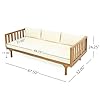
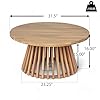
Merax Outdoor 4-Piece Acacia Wood Conversation Set - Patio 3-Seat Loveseat Sofa Daybed with Cushion, 2 Armchair and Round Coffee Table for Backyard, Lawn, Balcony, Teak + Beige
(as of October 24, 2026 00:54 GMT -04:00 - More infoProduct prices and availability are accurate as of the date/time indicated and are subject to change. Any price and availability information displayed on [relevant Amazon Site(s), as applicable] at the time of purchase will apply to the purchase of this product.)


Werph 3-Piece Acacia Wood Outdoor Patio Furniture Set
(as of October 23, 2026 15:53 GMT -04:00 - More infoProduct prices and availability are accurate as of the date/time indicated and are subject to change. Any price and availability information displayed on [relevant Amazon Site(s), as applicable] at the time of purchase will apply to the purchase of this product.)





Christopher Knight Home 312395 Alfy Outdoor Club Chair with Cushions (Set of 2), Teak Finish, Beige
(as of October 23, 2026 17:40 GMT -04:00 - More infoProduct prices and availability are accurate as of the date/time indicated and are subject to change. Any price and availability information displayed on [relevant Amazon Site(s), as applicable] at the time of purchase will apply to the purchase of this product.)


Christopher Knight Home Lorna 4-Seater Patio Furniture Set with Removable Cushion, 4 Piece Outdoor Acacia Wood Conversation Set, Sold Wood Outdoor Sectional Sofa Set with Coffee Table, Teak+Beige
(as of October 23, 2026 17:40 GMT -04:00 - More infoProduct prices and availability are accurate as of the date/time indicated and are subject to change. Any price and availability information displayed on [relevant Amazon Site(s), as applicable] at the time of purchase will apply to the purchase of this product.)





Oasbira Aluminum Outdoor Patio Furniture Set with Coffee Table, 4 Piece Patio Conversation Sets with Washable Thick Cushions, Outdoor Sectional Furniture Set for Poolside, Balcony, Deck, Gray
(as of July 14, 2026 04:23 GMT -04:00 - More infoProduct prices and availability are accurate as of the date/time indicated and are subject to change. Any price and availability information displayed on [relevant Amazon Site(s), as applicable] at the time of purchase will apply to the purchase of this product.)
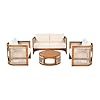
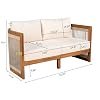


KLMM 4-Piece Patio Seating Group with 2 Chairs, Loveseat & Table,Acacia Wood Outdoor Furniture Set, Curved Tub Design with Woven Rope Accents,for Patio Balcony Garden (Teak+Beige-PP)
(as of October 23, 2026 18:00 GMT -04:00 - More infoProduct prices and availability are accurate as of the date/time indicated and are subject to change. Any price and availability information displayed on [relevant Amazon Site(s), as applicable] at the time of purchase will apply to the purchase of this product.)





Furniture Clinic Teak Oil | Wood Oil Protects & Cleans Outdoor & Indoor Furniture, Boats, Shower Benches | Restore & Protect Wood, Prevent Drying & Other Damage | Natural Matte Finish | 17oz/500ml
(as of October 23, 2026 18:02 GMT -04:00 - More infoProduct prices and availability are accurate as of the date/time indicated and are subject to change. Any price and availability information displayed on [relevant Amazon Site(s), as applicable] at the time of purchase will apply to the purchase of this product.)


Merax 4 Piece Patio Outdoor Furniture Set, All-Weather Acacia Wood Loveseat Sofa, 2 Armchairs w/Coushions, 1 Coffee Table for Porch, Lawn, Backyard, Balcony Teak+ Beige
(as of October 23, 2026 18:02 GMT -04:00 - More infoProduct prices and availability are accurate as of the date/time indicated and are subject to change. Any price and availability information displayed on [relevant Amazon Site(s), as applicable] at the time of purchase will apply to the purchase of this product.)
Now retrieving an image set.
PayLessHere | 3-Piece Outdoor Patio Furniture Set | Khaki | Modern Rattan Bistro Set with Cushioned Chairs & Tempered Glass Coffee Table | Indoor & Outdoor Seating | for Balcony, Garden, Poolside
$39.99 (as of October 23, 2026 07:03 GMT -04:00 - More infoProduct prices and availability are accurate as of the date/time indicated and are subject to change. Any price and availability information displayed on [relevant Amazon Site(s), as applicable] at the time of purchase will apply to the purchase of this product.)
Now retrieving an image set.
DUMOS 4 Piece Patio Furniture Set, with Table and Chairs, Black | Outdoor Patio Furniture Set, Bistro Sets for Lawn, Garden, Balcony, Pool, Poolside
$86.94 (as of October 23, 2026 07:03 GMT -04:00 - More infoProduct prices and availability are accurate as of the date/time indicated and are subject to change. Any price and availability information displayed on [relevant Amazon Site(s), as applicable] at the time of purchase will apply to the purchase of this product.)
Now retrieving an image set.
Shintenchi 4 Piece Outdoor Patio Furniture Sets, Small Wicker Patio Conversation Furniture Rattan Chair Set with Tempered Glass Coffee Table for Backyard Porch Garden Poolside Balcony,Black
$129.99 (as of October 23, 2026 07:03 GMT -04:00 - More infoProduct prices and availability are accurate as of the date/time indicated and are subject to change. Any price and availability information displayed on [relevant Amazon Site(s), as applicable] at the time of purchase will apply to the purchase of this product.)
Now retrieving an image set.
FDW | 3-Piece Patio Furniture Set | Khaki |Outdoor Wicker Furniture with Coffee Table | Modern Rattan Chairs Conversation Set | Outdoor Seating | Weather-Resistant | for Porch, Garden, Lawn
$88.99 (as of October 23, 2026 07:03 GMT -04:00 - More infoProduct prices and availability are accurate as of the date/time indicated and are subject to change. Any price and availability information displayed on [relevant Amazon Site(s), as applicable] at the time of purchase will apply to the purchase of this product.)
Now retrieving an image set.