Instant Insight: To prevent teak wood from weathering, regularly apply a high-quality teak oil or sealer designed for outdoor use. This helps maintain its natural oils and protects against moisture and UV damage. Additionally, store teak furniture in a shaded area or use protective covers when not in use to minimize exposure to harsh weather conditions. Regular cleaning with mild soap and water will also help preserve its appearance and longevity.

Section Overview
- Effective Ways to Prevent Teak Weathering and Preserve Beauty
- Understanding Teak Wood
- Regular Cleaning
- Applying Teak Oil
- Using Protective Covers
- Avoiding Direct Sunlight
- Dealing with Stains
- Repairing Scratches and Dents
- Seasonal Maintenance Tips
- The Benefits of Proper Teak Maintenance
- Conclusion
- Questions You Might Have
- What factors contribute to the weathering of teak wood?
- What steps can I take to stop teak from weathering?
- Does weathered teak diminish in durability over time?
- Can I restore weathered teak furniture?
Effective Ways to Prevent Teak Weathering and Preserve Beauty
Teak wood, renowned for its rich color and durability, can lose its luster over time if not properly cared for. The elements can take a toll, causing the once vibrant surface to fade and gray, diminishing its natural beauty. To maintain that stunning appearance, it’s essential to regularly apply a high-quality teak oil or sealer, which not only nourishes the wood but also shields it from moisture and harmful UV rays. Additionally, providing a shaded resting place for your teak furniture when not in use can significantly reduce its exposure to harsh weather, ensuring it remains a striking centerpiece in your outdoor space for years to come. Regular cleaning with mild soap and water further enhances its longevity, allowing the wood's inherent charm to shine through.
Understanding Teak Wood
Teak (Tectona grandis) is a tropical hardwood native to Southeast Asia. Its unique properties stem from its high oil content, which provides natural resistance to moisture, insects, and decay. However, exposure to the elements can lead to weathering, resulting in a grayish patina that many people find unattractive. Understanding the characteristics of teak is essential for effective maintenance.
Regular Cleaning
One of the simplest yet most effective ways to maintain teak is through regular cleaning. Here’s how to do it:
- Frequency: Clean your teak furniture at least once every three months, or more frequently if it’s exposed to heavy rain or dirt.
- Materials: Use a soft-bristle brush or a sponge along with a mild soap solution. Avoid harsh chemicals that can strip the wood of its natural oils.
- Technique: Gently scrub the surface in the direction of the grain to remove dirt and debris. Rinse thoroughly with clean water and allow it to dry completely.
Applying Teak Oil
Teak oil is specifically formulated to enhance the natural beauty of teak while providing a protective barrier against moisture and UV rays. Here’s how to apply it:
- Choosing the Right Oil: Look for high-quality teak oil that contains UV inhibitors. Brands like Star brite and Watco are popular choices among teak enthusiasts.
- Application Process:
- Ensure the wood is clean and dry before application.
- Using a clean cloth or brush, apply a generous amount of teak oil evenly across the surface.
- Allow the oil to penetrate for about 15-30 minutes, then wipe off any excess with a clean cloth.
- Frequency of Application: Reapply teak oil every 3-6 months, depending on exposure to sunlight and weather conditions.
Using Protective Covers
Protective covers are an excellent investment for preserving your teak furniture. They shield against rain, snow, and UV rays. Here’s what to consider:
- Material: Choose breathable covers made from materials like polyester or canvas that prevent moisture buildup while protecting against dirt and debris.
- Fit: Ensure that the cover fits snugly over your furniture without being too tight, allowing for air circulation.
- Storage: When not in use, store your covers in a dry place to prevent mold and mildew growth.
Avoiding Direct Sunlight
While teak is naturally resistant to UV rays, prolonged exposure can still lead to fading and weathering. Here are some strategies to minimize sun damage:
- Placement: Position your teak furniture in shaded areas whenever possible. Consider using umbrellas or shade sails for outdoor settings.
- Rotating Furniture: If feasible, rotate your furniture periodically to ensure even exposure to sunlight.
Dealing with Stains
Stains from food, drinks, or other substances can mar the appearance of your teak furniture. Here’s how to address them:
- Immediate Action: Wipe up spills immediately with a soft cloth to prevent staining.
- Removing Stains: For stubborn stains, create a paste from baking soda and water. Apply it gently with a soft cloth in the direction of the grain, then rinse thoroughly.
Repairing Scratches and Dents
Slight scratches and dents can occur over time but can be easily repaired. Follow these steps:
- Sanding: Lightly sand the affected area with fine-grit sandpaper (220 grit) until smooth. Always sand in the direction of the grain.
- Restoring Finish: After sanding, apply teak oil or a suitable wood finish to restore the area’s appearance.
Seasonal Maintenance Tips
Seasonal changes can impact the condition of your teak furniture. Here are some tailored tips for each season:
- Spring: Inspect for any winter damage, clean thoroughly, and apply fresh teak oil if necessary.
- Summer: Ensure that your furniture is shaded from intense sunlight and check for any signs of wear or fading.
- Autumn: Clean fallen leaves and debris from surfaces; consider applying a protective cover as temperatures drop.
- Winter: If possible, store your teak furniture indoors or under protective covers to shield it from snow and ice.
The Benefits of Proper Teak Maintenance
Investing time in maintaining your teak furniture pays off in several ways:
- Aesthetic Appeal: Well-maintained teak retains its beautiful golden-brown hue and rich grain patterns.
- Longevity: Proper care extends the life of your furniture, allowing you to enjoy it for decades.
- Value Retention: High-quality teak furniture can retain its value over time, making it a worthwhile investment.
Conclusion
Caring for teak wood requires commitment but yields significant rewards in terms of beauty and durability. By following these effective methods—regular cleaning, applying teak oil, using protective covers, avoiding direct sunlight, addressing stains promptly, repairing scratches, and seasonal maintenance—you can ensure that your teak furniture remains a stunning centerpiece in your home or garden for years to come. Embrace these practices today and enjoy the timeless elegance of teak wood!
Questions You Might Have
What factors contribute to the weathering of teak wood?
Teak wood weathers primarily due to exposure to environmental elements such as sunlight, rain, and humidity. Ultraviolet rays from the sun can break down the wood's natural oils, leading to a change in color and texture. Additionally, moisture can cause the wood to swell and contract, contributing to its weathered appearance over time.
What steps can I take to stop teak from weathering?
To prevent teak from weathering, regular maintenance is essential. Applying a protective sealant or oil specifically designed for teak can help preserve its natural color and prevent damage from UV rays. Additionally, keeping the wood clean and dry, and storing it in a sheltered area when not in use, can significantly reduce weathering effects.
Does weathered teak diminish in durability over time?
Weathered teak does not necessarily lose its durability; however, it may become more susceptible to moisture absorption and decay if not properly maintained. The natural oils in teak provide inherent resistance to rot and insects, but once these oils diminish due to weathering, the wood may require additional care. Regular oiling can help restore some of its protective qualities.
Can I restore weathered teak furniture?
Yes, weathered teak furniture can be restored through cleaning and refinishing processes. Start by cleaning the surface with a mild soap solution and a soft brush to remove dirt and grime. After drying, sanding the surface lightly can help remove any gray patina, followed by applying teak oil to rejuvenate its color and protect it from further weathering.


Christopher Knight Home Esme Outdoor Acacia Wood Bench, Teak Finish
27% Off


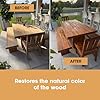


Furniture Clinic Teak Oil | Wood Oil Protects & Cleans Outdoor & Indoor Furniture, Boats, Shower Benches | Restore & Protect Wood, Prevent Drying & Other Damage | Natural Matte Finish | 17oz/500ml
10% Off
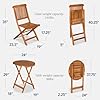


Best Choice Products 3-Piece Acacia Wood Bistro Set, Folding Patio Furniture for Backyard, Balcony, Deck w/ 2 Chairs, Round Coffee Table, Teak Finish - Natural
11% Off

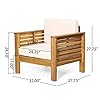


Christopher Knight Home Louver Club Chairs, Teak + Cream
$390.99 (as of March 6, 2026 02:24 GMT -05:00 - More infoProduct prices and availability are accurate as of the date/time indicated and are subject to change. Any price and availability information displayed on [relevant Amazon Site(s), as applicable] at the time of purchase will apply to the purchase of this product.)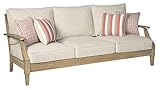





Signature Design by Ashley Clare View Outdoor Patio Sofa, 4 Throw Pillows, Nuvella Weather Resistant Fabric, Eucalyptus Wood, 81" W x 35" D x 32" H, Beige
$1,369.99 (as of March 6, 2026 02:24 GMT -05:00 - More infoProduct prices and availability are accurate as of the date/time indicated and are subject to change. Any price and availability information displayed on [relevant Amazon Site(s), as applicable] at the time of purchase will apply to the purchase of this product.)





Lokingrise 4-Piece Deep Seating Teak Wood Patio Furniture Set, Acacia Wood Outdoor Conversation Sofa Set with Cushioned Loveseat, Armchairs and Coffee Table for Garden, Deck, Backyard
$859.99 (as of March 6, 2026 02:24 GMT -05:00 - More infoProduct prices and availability are accurate as of the date/time indicated and are subject to change. Any price and availability information displayed on [relevant Amazon Site(s), as applicable] at the time of purchase will apply to the purchase of this product.)


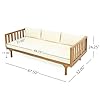
Merax Outdoor Acacia Wood Conversation Set, 3-Seat Loveseat Sofa w/Coushion and Round Coffee Table for Backyard, Patio Furniture, Teak+Beige
$519.99 (as of March 6, 2026 02:24 GMT -05:00 - More infoProduct prices and availability are accurate as of the date/time indicated and are subject to change. Any price and availability information displayed on [relevant Amazon Site(s), as applicable] at the time of purchase will apply to the purchase of this product.)



Cambridge Casual Robin Teak Wood 3 Piece Patio Conversation Set with Oyster Cushion
$994.70 (as of March 6, 2026 02:24 GMT -05:00 - More infoProduct prices and availability are accurate as of the date/time indicated and are subject to change. Any price and availability information displayed on [relevant Amazon Site(s), as applicable] at the time of purchase will apply to the purchase of this product.)





PURPLE LEAF 11 Pieces Patio Dining Set Wicker Outdoor Furniture Rectangular Table and Chairs Set for Garden Deck Teak-Finish Aluminum Frame Backyard Kitchen Set, Cushions and Pillows Included
$2,099.00 (as of March 6, 2026 02:24 GMT -05:00 - More infoProduct prices and availability are accurate as of the date/time indicated and are subject to change. Any price and availability information displayed on [relevant Amazon Site(s), as applicable] at the time of purchase will apply to the purchase of this product.)




Merax 6 Pieces Patio Furniture Set, Outdoor L-Shaped Sectional Sofa Set with Coffee Table, Acacia Wood Conversation Seating & Cushions and Lumbar Pillows, for Garden, Poolside and Backyard, Teak+Beige
$899.99 (as of March 6, 2026 02:24 GMT -05:00 - More infoProduct prices and availability are accurate as of the date/time indicated and are subject to change. Any price and availability information displayed on [relevant Amazon Site(s), as applicable] at the time of purchase will apply to the purchase of this product.)
Now retrieving an image set.
FDW | 4-Piece Patio Furniture Set | Black | Outdoor Wicker Furniture with Coffee Table | Modern Rattan Chairs Conversation Set | Outdoor Seating | Weather-Resistant | for Porch, Garden, Lawn
$139.98 (as of March 6, 2026 17:36 GMT -05:00 - More infoProduct prices and availability are accurate as of the date/time indicated and are subject to change. Any price and availability information displayed on [relevant Amazon Site(s), as applicable] at the time of purchase will apply to the purchase of this product.)
Now retrieving an image set.
Vongrasig 6 Piece Folding Patio Dining Set,Small Metal Outdoor Garden Patio Table and Chair Set w/Umbrella for Lawn,Deck,Backyard,Black
$142.13 (as of March 6, 2026 17:36 GMT -05:00 - More infoProduct prices and availability are accurate as of the date/time indicated and are subject to change. Any price and availability information displayed on [relevant Amazon Site(s), as applicable] at the time of purchase will apply to the purchase of this product.)
Now retrieving an image set.
Flamaker 3 Pieces Outdoor Patio Wicker Furniture Set, Modern Rattan Chair Conversation Sets with Coffee Table for Yard and Bistro (Black)
$89.99 (as of March 6, 2026 17:36 GMT -05:00 - More infoProduct prices and availability are accurate as of the date/time indicated and are subject to change. Any price and availability information displayed on [relevant Amazon Site(s), as applicable] at the time of purchase will apply to the purchase of this product.)
Now retrieving an image set.
Shintenchi 4 Pieces Patio Furniture Set All Weather Textile Fabric Outdoor Conversation Set, with Glass Coffee Table, Loveseat, 2 Single Chairs for Home, Garden, Lawn, Porch(Gray)
$109.98 (as of March 6, 2026 17:36 GMT -05:00 - More infoProduct prices and availability are accurate as of the date/time indicated and are subject to change. Any price and availability information displayed on [relevant Amazon Site(s), as applicable] at the time of purchase will apply to the purchase of this product.)
Now retrieving an image set.
Vongrasig 3 Piece Outdoor Rocking Bistro Set, Textilene Fabric Small Patio Furniture Set, Front Porch Rocker Chairs Conversation Set with Glass Table for Lawn, Garden, Balcony, Poolside (Light Gray)
$109.98 (as of March 6, 2026 17:36 GMT -05:00 - More infoProduct prices and availability are accurate as of the date/time indicated and are subject to change. Any price and availability information displayed on [relevant Amazon Site(s), as applicable] at the time of purchase will apply to the purchase of this product.)