Instant Answer: To identify genuine teak wood, look for its distinctive golden-brown color that deepens with age and exposure. Authentic teak has a straight grain pattern and feels smooth yet dense to the touch. It also emits a faint, natural oil scent and resists water and pests due to its high oil content. Avoid teak that appears overly uniform or has a chemical smell, as these may indicate fake or processed wood.

How to Identify Genuine Teak Wood and Its Unique Characteristics
Genuine teak wood exudes a warm, golden-brown hue that deepens gracefully with age, inviting a rich, natural glow to any piece it adorns. Its straight, tight grain pattern feels smooth yet remarkably dense under the fingertips, a testament to its durability and quality. When you run your hand over authentic teak, a subtle, natural oil scent often lingers, hinting at its high oil content that makes it resistant to water and pests. In contrast, fake or processed teak may appear unnaturally uniform or carry a chemical odor, betraying its synthetic origins. Recognizing these subtle cues ensures you appreciate the true character and resilience of genuine teak wood.
Understanding What Makes Teak Unique
Teak (Tectona grandis) is a tropical hardwood native to South and Southeast Asia, particularly India, Myanmar, Thailand, Indonesia, and the Philippines. Its popularity stems from its exceptional resistance to water, pests, and decay, making it ideal for outdoor furniture, boat building, and high-end interior furnishings. Unlike many other woods, genuine teak possesses a combination of physical and visual characteristics that are difficult to replicate.
Physical Characteristics of Authentic Teak
- Color: Freshly cut teak typically exhibits a golden to medium brown hue with a warm, honey-like glow. Over time, exposure to sunlight causes the color to deepen into a rich, silvery-gray patina if left untreated. However, the original golden-brown shade is a hallmark of genuine teak.
- Grain Pattern: Teak features a straight grain with occasional wavy or interlocked patterns. The grain is usually fine and uniform, giving the wood a smooth texture. Look for subtle variations and a natural luster that reflects light softly.
- Texture: The surface of real teak is generally smooth but dense. When you run your fingers over it, you should feel a firm, tight grain with minimal roughness. The wood’s density contributes to its weightiness—genuine teak is noticeably heavy compared to other woods.
- Odor: Authentic teak has a faint, pleasant aroma reminiscent of fresh wood or natural oils. If the wood smells chemical or artificial, it’s likely not genuine teak.
Visual Clues to Spot Fake or Treated Teak
Many imitations or treated woods are marketed as “teak,” but they often lack the authentic characteristics. Here are specific visual clues:
- Color Inconsistencies: Fake teak may have an uneven or overly uniform color that looks artificially stained or painted. Genuine teak’s color varies naturally across the board.
- Surface Finish: Excessively glossy or overly smooth surfaces might indicate chemical treatments or veneers rather than solid teak.
- Grain Discrepancies: Look for inconsistent grain patterns or signs of veneer layering—these are red flags for lower-quality or composite materials.
- Presence of Resin or Sap: Authentic teak contains natural oils and resins that sometimes seep out as small droplets or streaks—these are signs of genuine material.
Testing Techniques to Confirm Authenticity
Beyond visual inspection, several simple tests can help verify if the wood is real teak:
1. The Water Test
Drop a few drops of water onto the surface of the wood. Genuine teak’s natural oils repel water, causing it to bead up and remain on the surface for some time. If the water quickly soaks in or spreads out evenly, the wood may be treated or not real teak.
2. The Weight Test
Hold a piece of suspected teak in your hand. Authentic teak is dense and heavy; if it feels unusually light for its size, it might be a cheaper substitute or composite material.
3. The Scratch Test
Using a small knife or sharp object, gently scratch the surface in an inconspicuous area. Genuine teak resists scratching due to its hardness. If it scratches easily or shows a different color underneath, it could be an imitation.
4. The Smell Test
Smell the wood closely. Authentic teak emits a subtle, natural aroma that is difficult to replicate artificially. A chemical smell indicates possible treatment or fake material.
Additional Tips for Buying Genuine Teak
- Source Verification: Purchase from reputable suppliers who provide certification or detailed information about the origin of their teak. Certified sustainably harvested teak from well-known plantations ensures authenticity and environmental responsibility.
- Price Considerations: Genuine teak is expensive due to its durability and scarcity. Extremely low prices should raise suspicion—be cautious of deals that seem too good to be true.
- Look for Certification Labels: Some countries require certification labels indicating legal harvesting and sustainable practices (e.g., FSC certification).
- Consult Experts: When in doubt, seek advice from experienced woodworkers or furniture specialists who can help identify authentic teak based on their expertise.
The Benefits of Choosing Genuine Teak
Investing in authentic teak offers numerous advantages that justify its premium price:
- Durability: Teak’s natural oils make it highly resistant to water damage, rot, and pests—ideal for outdoor furniture exposed to harsh weather conditions.
- Aesthetic Appeal: Its warm color and fine grain add elegance and timeless beauty to any setting—be it a garden patio or luxurious interior.
- Low Maintenance: Genuine teak requires minimal upkeep; periodic cleaning and oiling preserve its appearance without frequent refinishing.
- Sustainability: When sourced responsibly, teak supports sustainable forestry practices and helps preserve tropical ecosystems.
Conclusion: Making an Informed Choice
Identifying genuine teak wood involves paying close attention to its physical characteristics, performing simple tests, and verifying sourcing details. Remember that authentic teak’s rich color, dense texture, natural oils, and resistance to water are key indicators of its authenticity. By understanding these features and purchasing from reputable suppliers, you can ensure your investment in high-quality, durable, and beautiful teak furniture or materials. Whether restoring an antique piece or selecting new outdoor furnishings, knowing how to spot real teak will help you make informed decisions that stand the test of time.
If you’re ever in doubt, consulting with experienced professionals or requesting detailed certification can provide additional peace of mind. With proper care and maintenance, genuine teak will continue to age gracefully while retaining its distinctive charm for decades to come.
Other Questions People Ask About Teaking a Wood
What are the main benefits of using teak wood for furniture?
Teak wood is highly valued for furniture due to its exceptional durability and natural resistance to moisture, pests, and decay, making it ideal for both indoor and outdoor use. Its dense grain and oil content help it withstand harsh weather conditions without warping or cracking, ensuring longevity. Additionally, teak’s rich, warm color and attractive grain pattern enhance aesthetic appeal, often aging beautifully to a silvery patina if left untreated. A practical tip is to regularly apply teak oil to maintain its vibrant appearance and protect the wood’s natural oils, prolonging the furniture’s lifespan and preserving its beauty over time.
How does teak wood compare to other hardwoods in terms of maintenance?
Teak wood requires minimal maintenance due to its natural oils, which protect it from moisture and pests. Unlike other hardwoods that may need frequent sealing or treatment, teak can be left untreated or simply cleaned with soap and water. Over time, it develops a silvery patina if not refinished, which many find desirable, reducing the need for regular polishing or staining.
Is teak wood environmentally sustainable?
Teak wood’s environmental sustainability depends on its sourcing and management practices. While natural teak forests can be overharvested, leading to deforestation and habitat loss, sustainably managed plantations offer a more eco-friendly alternative. For example, certified teak from FSC (Forest Stewardship Council) plantations ensures responsible harvesting that minimizes environmental impact. To promote sustainability, consumers should look for products labeled with credible certifications, which indicate that the teak was harvested following environmentally responsible practices.


Christopher Knight Home Esme Outdoor Acacia Wood Bench, Teak Finish
27% Off


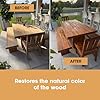


Furniture Clinic Teak Oil | Wood Oil Protects & Cleans Outdoor & Indoor Furniture, Boats, Shower Benches | Restore & Protect Wood, Prevent Drying & Other Damage | Natural Matte Finish | 17oz/500ml
10% Off
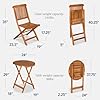


Best Choice Products 3-Piece Acacia Wood Bistro Set, Folding Patio Furniture for Backyard, Balcony, Deck w/ 2 Chairs, Round Coffee Table, Teak Finish - Natural
11% Off

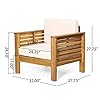


Christopher Knight Home Louver Club Chairs, Teak + Cream
$390.99 (as of March 7, 2026 02:26 GMT -05:00 - More infoProduct prices and availability are accurate as of the date/time indicated and are subject to change. Any price and availability information displayed on [relevant Amazon Site(s), as applicable] at the time of purchase will apply to the purchase of this product.)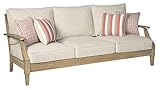


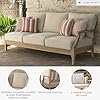

Signature Design by Ashley Clare View Outdoor Patio Sofa, 4 Throw Pillows, Nuvella Weather Resistant Fabric, Eucalyptus Wood, 81" W x 35" D x 32" H, Beige
$1,369.99 (as of March 7, 2026 02:26 GMT -05:00 - More infoProduct prices and availability are accurate as of the date/time indicated and are subject to change. Any price and availability information displayed on [relevant Amazon Site(s), as applicable] at the time of purchase will apply to the purchase of this product.)





Lokingrise 4-Piece Deep Seating Teak Wood Patio Furniture Set, Acacia Wood Outdoor Conversation Sofa Set with Cushioned Loveseat, Armchairs and Coffee Table for Garden, Deck, Backyard
$859.99 (as of March 7, 2026 02:26 GMT -05:00 - More infoProduct prices and availability are accurate as of the date/time indicated and are subject to change. Any price and availability information displayed on [relevant Amazon Site(s), as applicable] at the time of purchase will apply to the purchase of this product.)

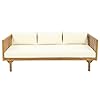

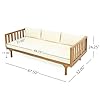
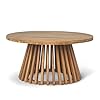
Merax Outdoor Acacia Wood Conversation Set, 3-Seat Loveseat Sofa w/Coushion and Round Coffee Table for Backyard, Patio Furniture, Teak+Beige
$519.99 (as of March 7, 2026 02:26 GMT -05:00 - More infoProduct prices and availability are accurate as of the date/time indicated and are subject to change. Any price and availability information displayed on [relevant Amazon Site(s), as applicable] at the time of purchase will apply to the purchase of this product.)![[3 PIECE SET] This patio conversation set includes: 2 patio lounge chairs and 1 patio side table. [PREMIUM TEAK WOOD] Sourced from sustainable forests, our patio conversation set is expertly crafted from high-quality teak wood, ensuring both durabili...](https://m.media-amazon.com/images/I/61RlGdGcaiL._SL160_.jpg)
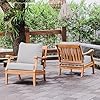

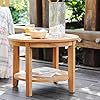


Cambridge Casual Robin Teak Wood 3 Piece Patio Conversation Set with Oyster Cushion
$994.70 (as of March 7, 2026 02:26 GMT -05:00 - More infoProduct prices and availability are accurate as of the date/time indicated and are subject to change. Any price and availability information displayed on [relevant Amazon Site(s), as applicable] at the time of purchase will apply to the purchase of this product.)




PURPLE LEAF 11 Pieces Patio Dining Set Wicker Outdoor Furniture Rectangular Table and Chairs Set for Garden Deck Teak-Finish Aluminum Frame Backyard Kitchen Set, Cushions and Pillows Included
$2,099.00 (as of March 7, 2026 02:26 GMT -05:00 - More infoProduct prices and availability are accurate as of the date/time indicated and are subject to change. Any price and availability information displayed on [relevant Amazon Site(s), as applicable] at the time of purchase will apply to the purchase of this product.)![[Versatile Outdoor Modular Sofa Set] This 6-piece acacia wood patio furniture set features a customizable L-shaped configuration with 3 armless chairs, 1 corner sofa, 1 ottoman, and 1 tea table – ideal for dynamic outdoor entertaining. The modular de...](https://m.media-amazon.com/images/I/51CUH9Yb9gL._SL160_.jpg)
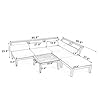

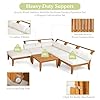


Merax 6 Pieces Patio Furniture Set, Outdoor L-Shaped Sectional Sofa Set with Coffee Table, Acacia Wood Conversation Seating & Cushions and Lumbar Pillows, for Garden, Poolside and Backyard, Teak+Beige
$899.99 (as of March 7, 2026 02:26 GMT -05:00 - More infoProduct prices and availability are accurate as of the date/time indicated and are subject to change. Any price and availability information displayed on [relevant Amazon Site(s), as applicable] at the time of purchase will apply to the purchase of this product.)
Now retrieving an image set.
Aoxun Aluminum Patio Furniture Set 7 Seats, Oversized Outdoor Sectional with Washable Thick Cushions, Coffee Table and Waterproof Cover, Patio Conversation Sets for Porch, Balcony, Deck
$679.99 (as of March 6, 2026 17:36 GMT -05:00 - More infoProduct prices and availability are accurate as of the date/time indicated and are subject to change. Any price and availability information displayed on [relevant Amazon Site(s), as applicable] at the time of purchase will apply to the purchase of this product.)
Now retrieving an image set.
Wisteria Lane 4 Piece Patio Furniture Set, Wicker Outdoor Patio Conversation Furniture Set, All Weather Outdoor Patio Sofa with Cushion and Glass Table, Ash Gray
$329.99 (as of March 6, 2026 17:36 GMT -05:00 - More infoProduct prices and availability are accurate as of the date/time indicated and are subject to change. Any price and availability information displayed on [relevant Amazon Site(s), as applicable] at the time of purchase will apply to the purchase of this product.)
Now retrieving an image set.
Shintenchi 6 Piece Patio Dining Set with Umbrella, Outdoor Furniture Set with 4 Folding Chairs and Tempered Glass Top Dining Table fot Lawn Backyard Garden Porch Black
$136.99 (as of March 6, 2026 17:36 GMT -05:00 - More infoProduct prices and availability are accurate as of the date/time indicated and are subject to change. Any price and availability information displayed on [relevant Amazon Site(s), as applicable] at the time of purchase will apply to the purchase of this product.)
Now retrieving an image set.
LEVELEVE Balcony Furniture 5 Piece Patio Conversation Set, PE Wicker Rattan Outdoor Lounge Chairs with Soft Cushions 2 Ottoman&Glass Table for Porch, Lawn-Brown Wicker
$149.99 (as of March 6, 2026 17:36 GMT -05:00 - More infoProduct prices and availability are accurate as of the date/time indicated and are subject to change. Any price and availability information displayed on [relevant Amazon Site(s), as applicable] at the time of purchase will apply to the purchase of this product.)
Now retrieving an image set.