Instant Answer: Teak furniture is renowned for its exceptional durability compared to other hardwoods. Its natural oils and tight grain structure make it highly resistant to moisture, pests, and decay, allowing it to withstand outdoor conditions better than many alternatives like oak or maple. While hardwoods like mahogany and cherry are also durable, they may require more maintenance and are less resistant to environmental factors. Overall, teak stands out for its longevity and low maintenance needs, making it a preferred choice for both indoor and outdoor furniture.

Table of Contents
- The Durability of Teak Furniture Compared to Other Hardwoods
- Understanding Teak Wood
- Durability Factors of Teak Furniture
- Comparing Teak with Other Hardwoods
- The Maintenance of Teak Furniture
- The Environmental Impact of Teak Furniture
- Conclusion
- Frequently Asked Questions
- What advantages does teak furniture offer?
- How do you maintain teak furniture?
- Is teak furniture worth the investment?
- Can teak furniture be used indoors?
The Durability of Teak Furniture Compared to Other Hardwoods
Teak furniture is a marvel of nature, celebrated for its remarkable durability that sets it apart from other hardwoods. The inherent oils within teak not only create a stunning aesthetic but also provide a formidable defense against moisture, pests, and decay, making it an ideal choice for outdoor settings. Unlike oak or maple, which can falter under harsh weather conditions, teak maintains its integrity and beauty with minimal upkeep. While other hardwoods like mahogany and cherry offer their own strengths, they often demand more attention and care. In contrast, teak stands as a testament to longevity, effortlessly combining elegance with resilience in any environment.
Teak wood, renowned for its exceptional durability and aesthetic appeal, has long been a favorite choice for furniture makers and homeowners alike. When comparing teak to other hardwoods, such as oak, mahogany, and maple, it becomes evident that teak stands out in several key areas, particularly in terms of longevity, resistance to environmental factors, and maintenance requirements.
Understanding Teak Wood
Teak (Tectona grandis) is a tropical hardwood native to Southeast Asia, particularly found in countries like Myanmar, Thailand, and India. Its natural oils and high silica content contribute to its remarkable durability. These properties make teak resistant to moisture, insects, and decay, which is why it is often used in outdoor furniture and boat building.
Durability Factors of Teak Furniture
Several factors contribute to the durability of teak furniture:
- Natural Oils: Teak contains natural oils that act as a barrier against water and humidity. This makes it less prone to warping or cracking compared to other woods.
- High Density: The density of teak wood is significantly higher than that of many other hardwoods. This density contributes to its strength and ability to withstand heavy use.
- Resistance to Pests: The natural oils in teak also deter pests such as termites and other wood-boring insects, which can wreak havoc on less durable woods.
- Weather Resistance: Teak’s ability to resist the elements makes it an ideal choice for outdoor furniture. It can withstand rain, sun, and temperature fluctuations without deteriorating.
Comparing Teak with Other Hardwoods
While teak is often considered the gold standard for durability, it’s essential to compare it with other popular hardwoods to understand its advantages fully.
Teak vs. Oak
Oak is a widely used hardwood known for its strength and attractive grain. However, when it comes to durability:
- Moisture Resistance: Oak is more porous than teak, making it susceptible to water damage if not properly sealed. Teak’s natural oils provide superior moisture resistance.
- Pest Resistance: While oak can be treated for pest resistance, it does not possess the same natural deterrents as teak.
- Longevity: Teak can last for decades or even centuries with minimal maintenance, while oak typically requires more care to maintain its appearance over time.
Teak vs. Mahogany
Mahogany is another popular hardwood known for its rich color and fine grain. However, it has some drawbacks compared to teak:
- Durability: Mahogany is less durable than teak and can be prone to warping and cracking if exposed to moisture.
- Pest Vulnerability: Mahogany does not have the same level of natural pest resistance as teak, making it more vulnerable to insect damage.
- Maintenance: Mahogany furniture often requires regular polishing and sealing to maintain its luster, while teak can be left untreated for a more rustic look.
Teak vs. Maple
Maple is known for its hardness and resistance to abrasion. However, it falls short in several areas when compared to teak:
- Weather Resistance: Maple is not suitable for outdoor use as it can swell and crack when exposed to moisture.
- Pest Resistance: Like mahogany, maple lacks the natural oils that protect against pests, making it more susceptible to damage from insects.
- Aesthetic Aging: While maple can develop a beautiful patina over time, teak’s aging process enhances its natural beauty without compromising its structural integrity.
The Maintenance of Teak Furniture
One of the significant advantages of teak furniture is its low maintenance requirements. Here are some practical tips for maintaining teak furniture:
- Cleansing: Regularly clean your teak furniture with a soft cloth and mild soap solution to remove dirt and grime. Avoid harsh chemicals that can strip the wood of its natural oils.
- Oiling: If you prefer the rich golden color of new teak, consider applying a teak oil every year or two. This will help maintain its appearance and protect it from the elements.
- Storage: For outdoor furniture, consider covering your teak pieces during extreme weather conditions or storing them indoors during winter months to prolong their lifespan.
The Environmental Impact of Teak Furniture
When purchasing teak furniture, it’s essential to consider the environmental impact. Sustainable sourcing is crucial due to the deforestation issues associated with teak plantations. Look for certifications such as the Forest Stewardship Council (FSC) label, which ensures that the wood has been harvested responsibly.
Conclusion
Ultimately, teak furniture offers unparalleled durability compared to other hardwoods like oak, mahogany, and maple. Its natural oils provide moisture resistance, pest deterrence, and longevity that few other woods can match. With minimal maintenance required, teak remains a practical choice for both indoor and outdoor furniture. By understanding the unique properties of teak and how it compares to other hardwoods, you can make an informed decision when investing in quality furniture that will stand the test of time.
For more information on sustainable wood sourcing practices or tips on maintaining your wooden furniture, consider visiting resources such as government websites or reputable environmental organizations.
Frequently Asked Questions
What advantages does teak furniture offer?
Teak furniture is highly valued for its durability and resistance to weather elements, making it ideal for outdoor use. It contains natural oils that protect it from moisture, pests, and decay, ensuring a long lifespan. Additionally, teak has a beautiful golden-brown color that deepens over time, enhancing its aesthetic appeal. Its strength and stability also make it a popular choice for high-quality indoor furniture.
How do you maintain teak furniture?
Maintaining teak furniture involves regular cleaning and occasional oiling to preserve its color and prevent drying. Use a mild soap solution and a soft cloth to clean the surface, avoiding harsh chemicals that can damage the wood. If you prefer the natural silver-gray patina that teak develops over time, you can skip oiling. However, if you want to maintain its original color, apply teak oil every few months.
Is teak furniture worth the investment?
Teak furniture is often considered worth the investment due to its exceptional durability and timeless beauty. While it may come with a higher price tag than other woods, its longevity means it can last for decades with proper care. Additionally, teak furniture tends to retain its value well, making it a smart choice for both home use and resale. The combination of quality and aesthetic appeal makes it a worthwhile addition to any space.
Can teak furniture be used indoors?
Yes, teak furniture can be used indoors and is often favored for its elegant appearance and durability. Its natural oils help resist moisture and prevent warping, making it suitable for various indoor environments. Teak's warm tones and fine grain can complement many interior design styles, from modern to traditional. Whether as dining tables, chairs, or decorative pieces, teak furniture adds a touch of sophistication to any room.


Christopher Knight Home Esme Outdoor Acacia Wood Bench, Teak Finish
27% Off


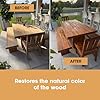


Furniture Clinic Teak Oil | Wood Oil Protects & Cleans Outdoor & Indoor Furniture, Boats, Shower Benches | Restore & Protect Wood, Prevent Drying & Other Damage | Natural Matte Finish | 17oz/500ml
10% Off
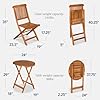


Best Choice Products 3-Piece Acacia Wood Bistro Set, Folding Patio Furniture for Backyard, Balcony, Deck w/ 2 Chairs, Round Coffee Table, Teak Finish - Natural
11% Off

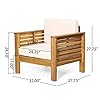


Christopher Knight Home Louver Club Chairs, Teak + Cream
$390.99 (as of March 6, 2026 02:24 GMT -05:00 - More infoProduct prices and availability are accurate as of the date/time indicated and are subject to change. Any price and availability information displayed on [relevant Amazon Site(s), as applicable] at the time of purchase will apply to the purchase of this product.)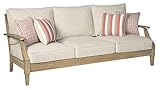


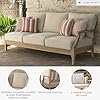
Signature Design by Ashley Clare View Outdoor Patio Sofa, 4 Throw Pillows, Nuvella Weather Resistant Fabric, Eucalyptus Wood, 81" W x 35" D x 32" H, Beige
$1,369.99 (as of March 6, 2026 02:24 GMT -05:00 - More infoProduct prices and availability are accurate as of the date/time indicated and are subject to change. Any price and availability information displayed on [relevant Amazon Site(s), as applicable] at the time of purchase will apply to the purchase of this product.)





Lokingrise 4-Piece Deep Seating Teak Wood Patio Furniture Set, Acacia Wood Outdoor Conversation Sofa Set with Cushioned Loveseat, Armchairs and Coffee Table for Garden, Deck, Backyard
$859.99 (as of March 6, 2026 02:24 GMT -05:00 - More infoProduct prices and availability are accurate as of the date/time indicated and are subject to change. Any price and availability information displayed on [relevant Amazon Site(s), as applicable] at the time of purchase will apply to the purchase of this product.)
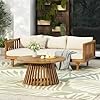
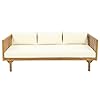

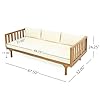
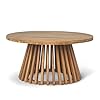
Merax Outdoor Acacia Wood Conversation Set, 3-Seat Loveseat Sofa w/Coushion and Round Coffee Table for Backyard, Patio Furniture, Teak+Beige
$519.99 (as of March 6, 2026 02:24 GMT -05:00 - More infoProduct prices and availability are accurate as of the date/time indicated and are subject to change. Any price and availability information displayed on [relevant Amazon Site(s), as applicable] at the time of purchase will apply to the purchase of this product.)![[3 PIECE SET] This patio conversation set includes: 2 patio lounge chairs and 1 patio side table. [PREMIUM TEAK WOOD] Sourced from sustainable forests, our patio conversation set is expertly crafted from high-quality teak wood, ensuring both durabili...](https://m.media-amazon.com/images/I/61RlGdGcaiL._SL160_.jpg)
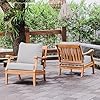


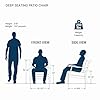
Cambridge Casual Robin Teak Wood 3 Piece Patio Conversation Set with Oyster Cushion
$994.70 (as of March 6, 2026 02:24 GMT -05:00 - More infoProduct prices and availability are accurate as of the date/time indicated and are subject to change. Any price and availability information displayed on [relevant Amazon Site(s), as applicable] at the time of purchase will apply to the purchase of this product.)



PURPLE LEAF 11 Pieces Patio Dining Set Wicker Outdoor Furniture Rectangular Table and Chairs Set for Garden Deck Teak-Finish Aluminum Frame Backyard Kitchen Set, Cushions and Pillows Included
$2,099.00 (as of March 6, 2026 02:24 GMT -05:00 - More infoProduct prices and availability are accurate as of the date/time indicated and are subject to change. Any price and availability information displayed on [relevant Amazon Site(s), as applicable] at the time of purchase will apply to the purchase of this product.)![[Versatile Outdoor Modular Sofa Set] This 6-piece acacia wood patio furniture set features a customizable L-shaped configuration with 3 armless chairs, 1 corner sofa, 1 ottoman, and 1 tea table – ideal for dynamic outdoor entertaining. The modular de...](https://m.media-amazon.com/images/I/51CUH9Yb9gL._SL160_.jpg)



Merax 6 Pieces Patio Furniture Set, Outdoor L-Shaped Sectional Sofa Set with Coffee Table, Acacia Wood Conversation Seating & Cushions and Lumbar Pillows, for Garden, Poolside and Backyard, Teak+Beige
$899.99 (as of March 6, 2026 02:24 GMT -05:00 - More infoProduct prices and availability are accurate as of the date/time indicated and are subject to change. Any price and availability information displayed on [relevant Amazon Site(s), as applicable] at the time of purchase will apply to the purchase of this product.)
Now retrieving an image set.
PORWEY 3 Piece Patio Bistro Set, Outdoor Wicker Apartment Balcony Furniture Sets, Rattan Table and Chairs Set of 2 for Porch Backyard Lawn Poolside Deck, Beige
$129.99 (as of March 6, 2026 17:36 GMT -05:00 - More infoProduct prices and availability are accurate as of the date/time indicated and are subject to change. Any price and availability information displayed on [relevant Amazon Site(s), as applicable] at the time of purchase will apply to the purchase of this product.)
Now retrieving an image set.
LEVELEVE Balcony Furniture 5 Piece Patio Conversation Set, PE Wicker Rattan Outdoor Lounge Chairs with Soft Cushions 2 Ottoman&Glass Table for Porch, Lawn-Brown Wicker
$149.99 (as of March 6, 2026 17:36 GMT -05:00 - More infoProduct prices and availability are accurate as of the date/time indicated and are subject to change. Any price and availability information displayed on [relevant Amazon Site(s), as applicable] at the time of purchase will apply to the purchase of this product.)
Now retrieving an image set.
Flamaker 3 Pieces Outdoor Patio Wicker Furniture Set, Modern Rattan Chair Conversation Sets with Coffee Table for Yard and Bistro (Black)
$89.99 (as of March 6, 2026 17:36 GMT -05:00 - More infoProduct prices and availability are accurate as of the date/time indicated and are subject to change. Any price and availability information displayed on [relevant Amazon Site(s), as applicable] at the time of purchase will apply to the purchase of this product.)
Now retrieving an image set.
SERWALL Balcony Adirondack Chairs and Table 3 Pieces Set, Adirondack Bar Height Chairs Set of 2 and Bar Table, Outdoor Bar Stools Set, Gray
$229.99 (as of March 6, 2026 17:36 GMT -05:00 - More infoProduct prices and availability are accurate as of the date/time indicated and are subject to change. Any price and availability information displayed on [relevant Amazon Site(s), as applicable] at the time of purchase will apply to the purchase of this product.)
Now retrieving an image set.