Instant Answer: To protect teak furniture from pests, regularly clean the surfaces to remove dust and debris that can attract insects. Apply a natural insect repellent, such as neem oil, which is effective against various pests without harming the wood. Additionally, store teak furniture in a dry, well-ventilated area to prevent moisture buildup, which can lead to pest infestations. All in all, consider using protective covers when the furniture is not in use to further shield it from potential threats.

Section Overview
- Effective Ways to Protect Teak Furniture from Pests
- Understanding the Vulnerability of Teak Furniture
- Regular Cleaning and Maintenance
- Applying Protective Oils
- Using Natural Repellents
- Storing Teak Furniture Properly
- Professional Pest Control Solutions
- The Importance of Humidity Control
- Conclusion
- Common Questions People Ask
- What are the benefits of teak furniture?
- How do you maintain teak furniture?
- Is teak furniture environmentally friendly?
- Can teak furniture be used indoors?
Effective Ways to Protect Teak Furniture from Pests
Teak furniture, renowned for its durability and beauty, can still fall victim to pesky pests if not properly cared for. Regularly cleaning the surfaces is essential, as it helps eliminate dust and debris that attract unwanted insects. Incorporating natural insect repellents like neem oil can provide an effective barrier against various pests while preserving the integrity of the wood. Additionally, storing your teak pieces in a dry, well-ventilated area is crucial to prevent moisture buildup, which can invite infestations. Using protective covers when the furniture is not in use further enhances its defense against potential threats, ensuring your investment remains pristine for years to come.
Understanding the Vulnerability of Teak Furniture
Teak wood is renowned for its durability and resistance to the elements, making it a popular choice for both indoor and outdoor furniture. However, despite its natural oils that provide some level of protection, teak furniture is not entirely immune to pests. Common pests that target teak include termites, wood borers, and various types of beetles. Understanding these threats is the first step in protecting your investment.
Regular Cleaning and Maintenance
One of the most effective ways to protect your teak furniture from pests is through regular cleaning and maintenance. Here are some specific steps you can take:
- Dusting: Use a soft cloth or a microfiber duster to remove dust and debris from the surface of your teak furniture. This prevents the buildup of organic material that can attract pests.
- Washing: Occasionally wash your teak furniture with a mild soap solution and water. Rinse thoroughly and dry immediately to prevent moisture accumulation, which can attract pests.
- Inspecting: Regularly inspect your furniture for signs of pest activity, such as small holes or sawdust. Early detection can help you address issues before they escalate.
Applying Protective Oils
Teak oil is specifically formulated to enhance the natural beauty of teak while providing a barrier against moisture and pests. Here’s how to apply it effectively:
- Choose the Right Oil: Select a high-quality teak oil that contains UV inhibitors to protect against sun damage. Brands like Star brite or Watco are popular choices among teak furniture owners.
- Application Process: Clean the surface thoroughly before applying the oil. Use a clean cloth to apply the oil in the direction of the grain, ensuring even coverage. Allow it to soak in for about 15-30 minutes, then wipe off any excess oil.
- Frequency: Reapply teak oil every 3-6 months, depending on exposure to sunlight and weather conditions. This will help maintain its protective qualities.
Using Natural Repellents
Natural repellents can be an effective way to deter pests without resorting to harsh chemicals. Here are some options:
- Cedar Oil: Known for its insect-repelling properties, cedar oil can be mixed with water and sprayed on your teak furniture. The scent is pleasant for humans but repels many wood-boring insects.
- Essential Oils: Oils such as peppermint, clove, and tea tree have natural pest-repelling properties. Mix a few drops with water in a spray bottle and apply it to your furniture regularly.
- Vinegar Solution: A mixture of equal parts vinegar and water can be used as a cleaning solution that also deters pests due to its strong scent.
Storing Teak Furniture Properly
If you have seasonal teak furniture, proper storage is crucial in preventing pest infestations. Consider the following tips:
- Indoor Storage: When storing teak furniture indoors, choose a cool, dry place away from direct sunlight. Ensure that the area is well-ventilated to prevent moisture buildup.
- Covers: Use breathable covers made from materials like canvas or cotton when storing outdoor teak furniture. Avoid plastic covers as they can trap moisture and create an ideal environment for pests.
- Elevate Furniture: When storing outdoor furniture, elevate it off the ground using pallets or bricks to prevent contact with soil, which can harbor pests.
Professional Pest Control Solutions
If you suspect a severe pest infestation or want to take extra precautions, consider hiring a professional pest control service. Here’s what you should know:
- Inspection Services: Many pest control companies offer inspection services that can identify potential threats before they become a problem.
- Treatment Options: Professionals can provide treatments specifically designed for wood furniture, including eco-friendly options that are safe for your home environment.
- Preventative Plans: Some companies offer ongoing preventative plans that include regular inspections and treatments to keep your teak furniture safe year-round.
The Importance of Humidity Control
Humidity plays a significant role in the health of your teak furniture. High humidity levels can lead to mold growth and attract pests. Here are some strategies to manage humidity:
- Dehumidifiers: In areas with high humidity, using a dehumidifier can help maintain optimal moisture levels in your home.
- A/C Units: Air conditioning not only cools your home but also helps reduce humidity levels, making it less hospitable for pests.
- Ventilation: Ensure proper ventilation in storage areas by opening windows or using fans to circulate air.
Conclusion
Protecting your teak furniture from pests requires a combination of regular maintenance, natural repellents, proper storage techniques, and possibly professional assistance. By implementing these strategies, you can ensure that your teak furniture remains beautiful and functional for years to come. Remember that prevention is always better than cure; taking proactive steps will save you time and money in the long run.
By following this guide, you can enjoy your teak furniture without worrying about pest infestations. Whether you have a stunning outdoor dining set or elegant indoor pieces, these tips will help you maintain their beauty and integrity.
Common Questions People Ask
What are the benefits of teak furniture?
Teak furniture is renowned for its durability and resistance to weather elements, making it ideal for outdoor use. It contains natural oils that protect it from moisture, insects, and decay, ensuring a long lifespan. Additionally, teak develops a beautiful patina over time, enhancing its aesthetic appeal. Its strength and stability also make it a popular choice for high-quality indoor furniture.
How do you maintain teak furniture?
Maintaining teak furniture involves regular cleaning and occasional oiling to preserve its natural color and luster. Use a mild soap solution and a soft cloth to remove dirt and grime, rinsing thoroughly afterward. If you prefer the original golden hue, applying teak oil every few months can help. However, if you like the silver-gray patina that develops over time, minimal maintenance is required.
Is teak furniture environmentally friendly?
Teak furniture can be environmentally friendly if sourced from sustainable plantations that practice responsible forestry. Look for certifications such as the Forest Stewardship Council (FSC) to ensure the wood is harvested sustainably. While teak is a durable option that lasts for decades, it is essential to consider the environmental impact of its sourcing. Choosing responsibly sourced teak helps support sustainable practices in the furniture industry.
Can teak furniture be used indoors?
Yes, teak furniture is an excellent choice for indoor use due to its strength and aesthetic appeal. Its natural oils make it resistant to moisture and pests, which is beneficial in various indoor environments. Teak's warm tones and rich grain patterns can complement a wide range of interior design styles. Additionally, its durability ensures that it can withstand everyday use while maintaining its beauty over time.


Christopher Knight Home Esme Outdoor Acacia Wood Bench, Teak Finish
27% Off


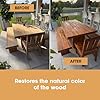


Furniture Clinic Teak Oil | Wood Oil Protects & Cleans Outdoor & Indoor Furniture, Boats, Shower Benches | Restore & Protect Wood, Prevent Drying & Other Damage | Natural Matte Finish | 17oz/500ml
10% Off
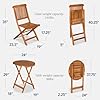


Best Choice Products 3-Piece Acacia Wood Bistro Set, Folding Patio Furniture for Backyard, Balcony, Deck w/ 2 Chairs, Round Coffee Table, Teak Finish - Natural
11% Off

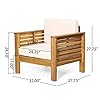


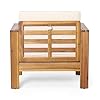
Christopher Knight Home Louver Club Chairs, Teak + Cream
$390.99 (as of March 6, 2026 02:24 GMT -05:00 - More infoProduct prices and availability are accurate as of the date/time indicated and are subject to change. Any price and availability information displayed on [relevant Amazon Site(s), as applicable] at the time of purchase will apply to the purchase of this product.)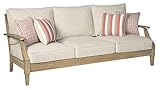



Signature Design by Ashley Clare View Outdoor Patio Sofa, 4 Throw Pillows, Nuvella Weather Resistant Fabric, Eucalyptus Wood, 81" W x 35" D x 32" H, Beige
$1,369.99 (as of March 6, 2026 02:24 GMT -05:00 - More infoProduct prices and availability are accurate as of the date/time indicated and are subject to change. Any price and availability information displayed on [relevant Amazon Site(s), as applicable] at the time of purchase will apply to the purchase of this product.)





Lokingrise 4-Piece Deep Seating Teak Wood Patio Furniture Set, Acacia Wood Outdoor Conversation Sofa Set with Cushioned Loveseat, Armchairs and Coffee Table for Garden, Deck, Backyard
$859.99 (as of March 6, 2026 02:24 GMT -05:00 - More infoProduct prices and availability are accurate as of the date/time indicated and are subject to change. Any price and availability information displayed on [relevant Amazon Site(s), as applicable] at the time of purchase will apply to the purchase of this product.)
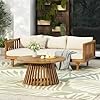
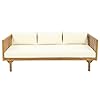

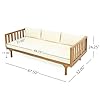
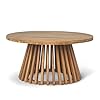
Merax Outdoor Acacia Wood Conversation Set, 3-Seat Loveseat Sofa w/Coushion and Round Coffee Table for Backyard, Patio Furniture, Teak+Beige
$519.99 (as of March 6, 2026 02:24 GMT -05:00 - More infoProduct prices and availability are accurate as of the date/time indicated and are subject to change. Any price and availability information displayed on [relevant Amazon Site(s), as applicable] at the time of purchase will apply to the purchase of this product.)![[3 PIECE SET] This patio conversation set includes: 2 patio lounge chairs and 1 patio side table. [PREMIUM TEAK WOOD] Sourced from sustainable forests, our patio conversation set is expertly crafted from high-quality teak wood, ensuring both durabili...](https://m.media-amazon.com/images/I/61RlGdGcaiL._SL160_.jpg)
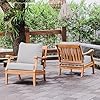



Cambridge Casual Robin Teak Wood 3 Piece Patio Conversation Set with Oyster Cushion
$994.70 (as of March 6, 2026 02:24 GMT -05:00 - More infoProduct prices and availability are accurate as of the date/time indicated and are subject to change. Any price and availability information displayed on [relevant Amazon Site(s), as applicable] at the time of purchase will apply to the purchase of this product.)



PURPLE LEAF 11 Pieces Patio Dining Set Wicker Outdoor Furniture Rectangular Table and Chairs Set for Garden Deck Teak-Finish Aluminum Frame Backyard Kitchen Set, Cushions and Pillows Included
$2,099.00 (as of March 6, 2026 02:24 GMT -05:00 - More infoProduct prices and availability are accurate as of the date/time indicated and are subject to change. Any price and availability information displayed on [relevant Amazon Site(s), as applicable] at the time of purchase will apply to the purchase of this product.)![[Versatile Outdoor Modular Sofa Set] This 6-piece acacia wood patio furniture set features a customizable L-shaped configuration with 3 armless chairs, 1 corner sofa, 1 ottoman, and 1 tea table – ideal for dynamic outdoor entertaining. The modular de...](https://m.media-amazon.com/images/I/51CUH9Yb9gL._SL160_.jpg)



Merax 6 Pieces Patio Furniture Set, Outdoor L-Shaped Sectional Sofa Set with Coffee Table, Acacia Wood Conversation Seating & Cushions and Lumbar Pillows, for Garden, Poolside and Backyard, Teak+Beige
$899.99 (as of March 6, 2026 02:24 GMT -05:00 - More infoProduct prices and availability are accurate as of the date/time indicated and are subject to change. Any price and availability information displayed on [relevant Amazon Site(s), as applicable] at the time of purchase will apply to the purchase of this product.)
Now retrieving an image set.
Shintenchi 6 Piece Patio Dining Set with Umbrella, Outdoor Furniture Set with 4 Folding Chairs and Tempered Glass Top Dining Table fot Lawn Backyard Garden Porch Black
$136.99 (as of March 6, 2026 17:36 GMT -05:00 - More infoProduct prices and availability are accurate as of the date/time indicated and are subject to change. Any price and availability information displayed on [relevant Amazon Site(s), as applicable] at the time of purchase will apply to the purchase of this product.)
Now retrieving an image set.
Homall 4 Pieces Outdoor Patio Furniture Sets Rattan Chair Wicker Set,Outdoor Indoor Use Backyard Porch Garden Poolside Balcony Furniture (Brown and Beige)
$139.99 (as of March 6, 2026 17:36 GMT -05:00 - More infoProduct prices and availability are accurate as of the date/time indicated and are subject to change. Any price and availability information displayed on [relevant Amazon Site(s), as applicable] at the time of purchase will apply to the purchase of this product.)
Now retrieving an image set.
Aoxun Patio Furniture Sets, 7-Piece Outdoor Patio Furniture with Thick Cushions, Wicker Outdoor Conversation Set Sectional Sofa for Backyard, Poolside, Garden
$399.99 (as of March 6, 2026 17:36 GMT -05:00 - More infoProduct prices and availability are accurate as of the date/time indicated and are subject to change. Any price and availability information displayed on [relevant Amazon Site(s), as applicable] at the time of purchase will apply to the purchase of this product.)
Now retrieving an image set.
Greesum Patio Furniture 4 Pieces Conversation Sets Outdoor Wicker Rattan Chairs Garden Backyard Balcony Porch Poolside loveseat with Soft Cushion and Glass Table, Brown and Beige
$145.99 (as of March 6, 2026 17:36 GMT -05:00 - More infoProduct prices and availability are accurate as of the date/time indicated and are subject to change. Any price and availability information displayed on [relevant Amazon Site(s), as applicable] at the time of purchase will apply to the purchase of this product.)
Now retrieving an image set.