Instant Answer: Signs of low-quality teak furniture include visible knots, cracks, and uneven grain patterns, which indicate poor craftsmanship. Additionally, if the wood feels lightweight or has a rough texture, it may not be genuine teak. Low-quality teak often lacks the natural oils that provide durability and resistance to weathering, making it more susceptible to damage. Lastly, a lack of proper certification or documentation can also suggest inferior quality.

In This Article
- Identifying Signs of Low-Quality Teak Furniture
- 1. Examine the Grain Pattern
- 2. Check for Weight and Density
- 3. Look for Signs of Poor Craftsmanship
- 4. Assess the Price Point
- 5. Investigate the Source of the Teak
- 6. Understand the Maintenance Requirements
- 7. Look for Certifications and Labels
- Conclusion
- Other Questions People Ask
- What makes teak wood different from other hardwoods?
Identifying Signs of Low-Quality Teak Furniture
When investing in teak furniture, discerning quality is crucial to ensure longevity and aesthetic appeal. Low-quality pieces often reveal themselves through visible imperfections such as knots, cracks, and uneven grain patterns, all of which signal subpar craftsmanship. A lightweight feel or a rough texture can further indicate that the wood may not be authentic teak, as genuine teak is known for its density and smooth finish. Additionally, the absence of natural oils in inferior teak compromises its durability and weather resistance, leaving it vulnerable to the elements. Without proper certification or documentation, the risk of acquiring low-quality teak increases, making it essential to scrutinize every detail before making a purchase.
1. Examine the Grain Pattern
The grain pattern of teak wood is one of its most distinctive features. High-quality teak typically has a straight, tight grain with a rich golden-brown color. When inspecting teak furniture, look for the following:
- Consistency: Authentic teak will have a consistent grain pattern throughout the piece. If you notice irregularities or abrupt changes in the grain, it may indicate that the wood is not genuine teak.
- Texture: Quality teak feels smooth to the touch. If the surface feels rough or splintered, it could be a sign of inferior craftsmanship or low-quality wood.
- Color Variation: While some color variation is normal, excessive differences in color can suggest that the wood has been stained or treated to mimic the appearance of real teak.
2. Check for Weight and Density
Teak is a dense hardwood, which contributes to its durability and longevity. When evaluating a piece of teak furniture, consider the following:
- Weight: High-quality teak furniture will feel heavy and substantial. If a piece feels light or flimsy, it may be made from lower-grade wood or a composite material.
- Sound Test: Gently tap on the surface of the furniture. A solid, deep sound indicates quality wood, while a hollow sound may suggest inferior materials.
3. Look for Signs of Poor Craftsmanship
The craftsmanship of teak furniture can greatly affect its quality and longevity. Here are some signs of poor workmanship to watch out for:
- Joint Construction: High-quality teak furniture often features mortise and tenon joints, which are strong and durable. If you see screws or staples holding the joints together, it may indicate lower quality.
- Finish Quality: A well-finished piece will have a smooth, even coating that enhances the wood’s natural beauty. Look for drips, uneven surfaces, or areas where the finish has worn off, as these can be signs of poor craftsmanship.
- Alignment: Check that all parts of the furniture align properly. Uneven legs or misaligned components can indicate rushed assembly and poor quality control.
4. Assess the Price Point
The price of teak furniture can be a significant indicator of its quality. While it’s tempting to go for cheaper options, remember that high-quality teak is an investment. Consider these points:
- Market Rates: Research the average prices for solid teak furniture in your area. If a deal seems too good to be true, it probably is. For example, solid teak dining tables typically range from $800 to $2,500 depending on size and craftsmanship.
- Brand Reputation: Established brands known for their quality craftsmanship often charge more for their products. Investing in reputable brands can provide peace of mind regarding quality.
5. Investigate the Source of the Teak
The origin of the teak wood can significantly impact its quality and sustainability. Here are some factors to consider:
- Sustainability Practices: Look for teak sourced from sustainable plantations, such as those certified by organizations like the Forest Stewardship Council (FSC). Unsustainable practices can lead to lower-quality wood and environmental harm.
- Country of Origin: Teak from countries like Indonesia and Myanmar is often considered superior due to their long-standing traditions in cultivating and harvesting this valuable wood.
6. Understand the Maintenance Requirements
Teak furniture requires specific maintenance to keep it looking its best over time. Low-quality teak may not hold up well under regular care. Consider these maintenance aspects:
- Oiling Needs: Quality teak naturally contains oils that protect it from moisture and pests. If a piece requires frequent oiling or shows signs of drying out quickly, it may not be genuine teak.
- Weather Resistance: For outdoor furniture, check how well it withstands various weather conditions. High-quality teak should resist warping and cracking when exposed to rain or sunlight.
7. Look for Certifications and Labels
When purchasing teak furniture, certifications can provide assurance regarding quality and sustainability. Here are some certifications to look for:
- FSC Certification: This label indicates that the wood comes from responsibly managed forests that provide environmental, social, and economic benefits.
- Sustainable Forestry Initiative (SFI): Similar to FSC, SFI certification ensures that the wood is sourced sustainably and ethically.
Conclusion
Identifying low-quality teak furniture requires careful examination and knowledge about what constitutes high-quality materials and craftsmanship. By paying attention to grain patterns, weight, craftsmanship, pricing, sourcing practices, maintenance needs, and certifications, you can make informed decisions when purchasing teak furniture. Investing in high-quality teak not only enhances your home’s aesthetic but also ensures durability and longevity for years to come.
Remember that quality matters when it comes to furniture that will be part of your home or outdoor space. Take your time to research and inspect before making a purchase to ensure you choose pieces that will stand the test of time.
Other Questions People Ask
What makes teak wood different from other hardwoods?
Teak wood is unique due to its high oil content, which provides natural resistance to water, insects, and decay. This characteristic sets it apart from other hardwoods that may not withstand outdoor conditions as effectively. Additionally, teak has a tight grain structure that contributes to its strength and durability. Its rich golden-brown color and ability to age gracefully also make it highly sought after for premium furniture.


Christopher Knight Home Esme Outdoor Acacia Wood Bench, Teak Finish
27% Off




Furniture Clinic Teak Oil | Wood Oil Protects & Cleans Outdoor & Indoor Furniture, Boats, Shower Benches | Restore & Protect Wood, Prevent Drying & Other Damage | Natural Matte Finish | 17oz/500ml
10% Off


Best Choice Products 3-Piece Acacia Wood Bistro Set, Folding Patio Furniture for Backyard, Balcony, Deck w/ 2 Chairs, Round Coffee Table, Teak Finish - Natural
11% Off



Christopher Knight Home Louver Club Chairs, Teak + Cream
$390.99 (as of March 6, 2026 02:24 GMT -05:00 - More infoProduct prices and availability are accurate as of the date/time indicated and are subject to change. Any price and availability information displayed on [relevant Amazon Site(s), as applicable] at the time of purchase will apply to the purchase of this product.)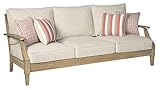


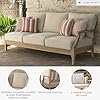

Signature Design by Ashley Clare View Outdoor Patio Sofa, 4 Throw Pillows, Nuvella Weather Resistant Fabric, Eucalyptus Wood, 81" W x 35" D x 32" H, Beige
$1,369.99 (as of March 6, 2026 02:24 GMT -05:00 - More infoProduct prices and availability are accurate as of the date/time indicated and are subject to change. Any price and availability information displayed on [relevant Amazon Site(s), as applicable] at the time of purchase will apply to the purchase of this product.)





Lokingrise 4-Piece Deep Seating Teak Wood Patio Furniture Set, Acacia Wood Outdoor Conversation Sofa Set with Cushioned Loveseat, Armchairs and Coffee Table for Garden, Deck, Backyard
$859.99 (as of March 6, 2026 02:24 GMT -05:00 - More infoProduct prices and availability are accurate as of the date/time indicated and are subject to change. Any price and availability information displayed on [relevant Amazon Site(s), as applicable] at the time of purchase will apply to the purchase of this product.)
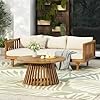

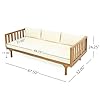
Merax Outdoor Acacia Wood Conversation Set, 3-Seat Loveseat Sofa w/Coushion and Round Coffee Table for Backyard, Patio Furniture, Teak+Beige
$519.99 (as of March 6, 2026 02:24 GMT -05:00 - More infoProduct prices and availability are accurate as of the date/time indicated and are subject to change. Any price and availability information displayed on [relevant Amazon Site(s), as applicable] at the time of purchase will apply to the purchase of this product.)![[3 PIECE SET] This patio conversation set includes: 2 patio lounge chairs and 1 patio side table. [PREMIUM TEAK WOOD] Sourced from sustainable forests, our patio conversation set is expertly crafted from high-quality teak wood, ensuring both durabili...](https://m.media-amazon.com/images/I/61RlGdGcaiL._SL160_.jpg)



Cambridge Casual Robin Teak Wood 3 Piece Patio Conversation Set with Oyster Cushion
$994.70 (as of March 6, 2026 02:24 GMT -05:00 - More infoProduct prices and availability are accurate as of the date/time indicated and are subject to change. Any price and availability information displayed on [relevant Amazon Site(s), as applicable] at the time of purchase will apply to the purchase of this product.)



PURPLE LEAF 11 Pieces Patio Dining Set Wicker Outdoor Furniture Rectangular Table and Chairs Set for Garden Deck Teak-Finish Aluminum Frame Backyard Kitchen Set, Cushions and Pillows Included
$2,099.00 (as of March 6, 2026 02:24 GMT -05:00 - More infoProduct prices and availability are accurate as of the date/time indicated and are subject to change. Any price and availability information displayed on [relevant Amazon Site(s), as applicable] at the time of purchase will apply to the purchase of this product.)![[Versatile Outdoor Modular Sofa Set] This 6-piece acacia wood patio furniture set features a customizable L-shaped configuration with 3 armless chairs, 1 corner sofa, 1 ottoman, and 1 tea table – ideal for dynamic outdoor entertaining. The modular de...](https://m.media-amazon.com/images/I/51CUH9Yb9gL._SL160_.jpg)

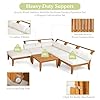


Merax 6 Pieces Patio Furniture Set, Outdoor L-Shaped Sectional Sofa Set with Coffee Table, Acacia Wood Conversation Seating & Cushions and Lumbar Pillows, for Garden, Poolside and Backyard, Teak+Beige
$899.99 (as of March 6, 2026 02:24 GMT -05:00 - More infoProduct prices and availability are accurate as of the date/time indicated and are subject to change. Any price and availability information displayed on [relevant Amazon Site(s), as applicable] at the time of purchase will apply to the purchase of this product.)
Now retrieving an image set.
Flamaker 3 Pieces Outdoor Patio Wicker Furniture Set, Modern Rattan Chair Conversation Sets with Coffee Table for Yard and Bistro (Black)
$89.99 (as of March 6, 2026 17:36 GMT -05:00 - More infoProduct prices and availability are accurate as of the date/time indicated and are subject to change. Any price and availability information displayed on [relevant Amazon Site(s), as applicable] at the time of purchase will apply to the purchase of this product.)
Now retrieving an image set.
Shintenchi 6 Piece Patio Dining Set with Umbrella, Outdoor Furniture Set with 4 Folding Chairs and Tempered Glass Top Dining Table fot Lawn Backyard Garden Porch Black
$136.99 (as of March 6, 2026 17:36 GMT -05:00 - More infoProduct prices and availability are accurate as of the date/time indicated and are subject to change. Any price and availability information displayed on [relevant Amazon Site(s), as applicable] at the time of purchase will apply to the purchase of this product.)
Now retrieving an image set.
SERWALL 7-Piece Patio Dining Table Sets, Outdoor HDPE Dining Furniture Set with Umbrella Hole Cut-Out Table and 6 Chairs, Black
$557.69 (as of March 6, 2026 17:36 GMT -05:00 - More infoProduct prices and availability are accurate as of the date/time indicated and are subject to change. Any price and availability information displayed on [relevant Amazon Site(s), as applicable] at the time of purchase will apply to the purchase of this product.)
Now retrieving an image set.
Shintenchi 3 Piece Outdoor Rocking Bistro Set, Textilene Fabric Small Patio Furniture Set, Front Porch Rocker Chairs Conversation Set with Table for Lawn, Garden, Balcony, Poolside (Black)
$89.99 (as of March 6, 2026 17:36 GMT -05:00 - More infoProduct prices and availability are accurate as of the date/time indicated and are subject to change. Any price and availability information displayed on [relevant Amazon Site(s), as applicable] at the time of purchase will apply to the purchase of this product.)
Now retrieving an image set.