Key Takeaway: To stain or paint teak furniture, start by cleaning the surface with a mild soap solution to remove dirt and oils. Once dry, lightly sand the wood to enhance adhesion, then wipe away any dust. For staining, apply a teak oil or wood stain with a brush, following the grain, and allow it to penetrate before wiping off excess. If painting, use a primer suitable for wood, followed by a high-quality exterior paint, ensuring even coverage and allowing adequate drying time between coats.

Table of Contents
- Staining and Painting Teak Furniture for Lasting Beauty
- Understanding Teak Wood
- Preparing Your Teak Furniture
- Selecting the Right Stain or Paint
- Applying Stain or Paint
- Caring for Your Stained or Painted Teak Furniture
- Conclusion
- Popular Questions
- How do you maintain teak furniture?
- Why is teak furniture more expensive than other types of wood?
- What is teak furniture and how does it work?
Staining and Painting Teak Furniture for Lasting Beauty
Teak furniture, renowned for its durability and rich, warm tones, can truly shine with the right finishing techniques. To enhance its natural beauty, the process of staining or painting requires careful preparation and attention to detail. A thorough cleaning removes any lingering dirt and oils, setting the stage for a smooth application. Lightly sanding the surface not only improves adhesion but also reveals the wood’s intricate grain, inviting a deeper connection to its craftsmanship. Whether you choose to enrich its hue with a penetrating stain or transform its appearance with a fresh coat of paint, the results can elevate your teak pieces from mere furniture to stunning focal points in your home.
Understanding Teak Wood
Teak (Tectona grandis) is a tropical hardwood that originates from Southeast Asia. Its unique properties make it an ideal material for furniture. Here are some key characteristics:
- Durability: Teak is naturally resistant to decay, insects, and moisture, making it suitable for outdoor use.
- Aesthetic Appeal: The rich golden-brown color and fine grain of teak add elegance to any space.
- Low Maintenance: Unlike other woods, teak requires minimal upkeep, but it can benefit from periodic staining or painting.
Preparing Your Teak Furniture
Before you begin the staining or painting process, proper preparation is essential to achieve the best results. Follow these steps:
- Clean the Surface: Use a mixture of mild soap and water to clean the furniture. A soft cloth or sponge will help remove dirt and grime. Rinse thoroughly and allow it to dry completely.
- Sanding: Lightly sand the surface with fine-grit sandpaper (220 grit) to remove any rough spots and to open up the wood grain for better absorption of stain or paint. Always sand in the direction of the grain.
- Remove Dust: After sanding, wipe down the furniture with a damp cloth to remove any dust particles. This step is crucial for ensuring a smooth finish.
Selecting the Right Stain or Paint
The choice between stain and paint depends on the desired look and level of protection you want for your teak furniture.
Choosing Stain
If you prefer to enhance the natural beauty of teak while adding color, a stain is an excellent option. Here are some popular types of stains:
- Oil-Based Stains: These penetrate deeply into the wood, providing rich color and enhancing the grain. Popular colors include walnut, mahogany, and natural teak.
- Water-Based Stains: These are easier to clean up and dry faster but may not penetrate as deeply as oil-based options. They are available in a variety of colors, including light oak and espresso.
Choosing Paint
If you want to completely change the color of your teak furniture or provide a more protective layer, consider using paint. Here are some tips:
- Exterior Paint: For outdoor furniture, use high-quality exterior paint that is resistant to UV rays and moisture. Look for brands that offer a satin or semi-gloss finish for added durability.
- Chalk Paint: This type of paint provides a matte finish and adheres well to wood surfaces without extensive priming. It’s perfect for achieving a vintage or shabby chic look.
Applying Stain or Paint
Once you’ve selected your stain or paint, it’s time to apply it. Follow these steps for optimal results:
- Test First: Always test your chosen stain or paint on a small, inconspicuous area of the furniture to see how it reacts with the wood.
- Application Tools: Use a high-quality brush or foam applicator for stain application. For paint, a brush or roller can be used depending on the size of the surface.
- Apply Evenly: Apply the stain or paint in even strokes, following the direction of the grain. For stains, allow it to sit for a few minutes before wiping off excess with a clean cloth.
- Multiple Coats: Depending on the desired depth of color, you may need to apply multiple coats. Allow adequate drying time between coats as specified by the manufacturer.
Caring for Your Stained or Painted Teak Furniture
After staining or painting your teak furniture, proper care will ensure its longevity and maintain its beauty. Here are some tips:
- Avoid Harsh Chemicals: Clean your furniture with mild soap and water instead of abrasive cleaners that can damage the finish.
- Regular Maintenance: For stained furniture, consider reapplying stain every 1-2 years to maintain color and protection. Painted surfaces may need touch-ups as they can chip over time.
- Protect from Elements: If your furniture is outdoors, use covers during harsh weather conditions to prolong its life.
Conclusion
Staining or painting your teak furniture not only enhances its aesthetic appeal but also provides essential protection against wear and tear. By following these steps—preparing the surface properly, selecting the right products, applying them correctly, and maintaining your furniture—you can enjoy beautiful teak pieces that last for years to come. Whether you choose a natural stain that highlights the wood’s grain or a bold paint color that makes a statement, your teak furniture will remain a stunning focal point in your home or garden.
Popular Questions
How do you maintain teak furniture?
To maintain teak furniture, regular cleaning is essential; simply wash it with mild soap and water to remove dirt and grime. Applying a teak oil or sealer can help preserve its color and prevent fading. It’s also advisable to store teak furniture indoors during harsh weather conditions to prolong its life. Avoid using harsh chemicals or abrasive materials that can damage the wood’s surface.
Why is teak furniture more expensive than other types of wood?
Teak furniture is generally more expensive due to its high demand and limited supply, as well as the labor-intensive process of harvesting and processing the wood. Its natural oils and dense grain contribute to its durability and resistance to elements, making it a long-term investment. Additionally, the craftsmanship involved in creating quality teak furniture often adds to the overall cost. The combination of these factors makes teak a premium choice in the furniture market.
What is teak furniture and how does it work?
In simple terms, teak furniture refers to the core process or practice behind your project. For example, a beginner might break a large task into smaller milestones and set aside 5–10 hours to experiment with basic techniques. This helps you plan your time, gather the right materials and measure progress. Understanding these mechanics ensures you work efficiently and achieve tangible results.


Christopher Knight Home Esme Outdoor Acacia Wood Bench, Teak Finish
27% Off





Furniture Clinic Teak Oil | Wood Oil Protects & Cleans Outdoor & Indoor Furniture, Boats, Shower Benches | Restore & Protect Wood, Prevent Drying & Other Damage | Natural Matte Finish | 17oz/500ml
10% Off
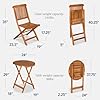


Best Choice Products 3-Piece Acacia Wood Bistro Set, Folding Patio Furniture for Backyard, Balcony, Deck w/ 2 Chairs, Round Coffee Table, Teak Finish - Natural
11% Off

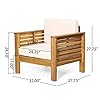


Christopher Knight Home Louver Club Chairs, Teak + Cream
$390.99 (as of March 6, 2026 02:24 GMT -05:00 - More infoProduct prices and availability are accurate as of the date/time indicated and are subject to change. Any price and availability information displayed on [relevant Amazon Site(s), as applicable] at the time of purchase will apply to the purchase of this product.)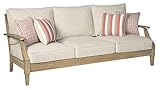




Signature Design by Ashley Clare View Outdoor Patio Sofa, 4 Throw Pillows, Nuvella Weather Resistant Fabric, Eucalyptus Wood, 81" W x 35" D x 32" H, Beige
$1,369.99 (as of March 6, 2026 02:24 GMT -05:00 - More infoProduct prices and availability are accurate as of the date/time indicated and are subject to change. Any price and availability information displayed on [relevant Amazon Site(s), as applicable] at the time of purchase will apply to the purchase of this product.)





Lokingrise 4-Piece Deep Seating Teak Wood Patio Furniture Set, Acacia Wood Outdoor Conversation Sofa Set with Cushioned Loveseat, Armchairs and Coffee Table for Garden, Deck, Backyard
$859.99 (as of March 6, 2026 02:24 GMT -05:00 - More infoProduct prices and availability are accurate as of the date/time indicated and are subject to change. Any price and availability information displayed on [relevant Amazon Site(s), as applicable] at the time of purchase will apply to the purchase of this product.)

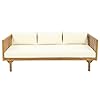

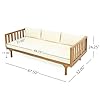
Merax Outdoor Acacia Wood Conversation Set, 3-Seat Loveseat Sofa w/Coushion and Round Coffee Table for Backyard, Patio Furniture, Teak+Beige
$519.99 (as of March 6, 2026 02:24 GMT -05:00 - More infoProduct prices and availability are accurate as of the date/time indicated and are subject to change. Any price and availability information displayed on [relevant Amazon Site(s), as applicable] at the time of purchase will apply to the purchase of this product.)![[3 PIECE SET] This patio conversation set includes: 2 patio lounge chairs and 1 patio side table. [PREMIUM TEAK WOOD] Sourced from sustainable forests, our patio conversation set is expertly crafted from high-quality teak wood, ensuring both durabili...](https://m.media-amazon.com/images/I/61RlGdGcaiL._SL160_.jpg)
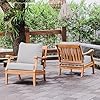



Cambridge Casual Robin Teak Wood 3 Piece Patio Conversation Set with Oyster Cushion
$994.70 (as of March 6, 2026 02:24 GMT -05:00 - More infoProduct prices and availability are accurate as of the date/time indicated and are subject to change. Any price and availability information displayed on [relevant Amazon Site(s), as applicable] at the time of purchase will apply to the purchase of this product.)





PURPLE LEAF 11 Pieces Patio Dining Set Wicker Outdoor Furniture Rectangular Table and Chairs Set for Garden Deck Teak-Finish Aluminum Frame Backyard Kitchen Set, Cushions and Pillows Included
$2,099.00 (as of March 6, 2026 02:24 GMT -05:00 - More infoProduct prices and availability are accurate as of the date/time indicated and are subject to change. Any price and availability information displayed on [relevant Amazon Site(s), as applicable] at the time of purchase will apply to the purchase of this product.)![[Versatile Outdoor Modular Sofa Set] This 6-piece acacia wood patio furniture set features a customizable L-shaped configuration with 3 armless chairs, 1 corner sofa, 1 ottoman, and 1 tea table – ideal for dynamic outdoor entertaining. The modular de...](https://m.media-amazon.com/images/I/51CUH9Yb9gL._SL160_.jpg)
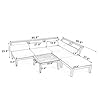




Merax 6 Pieces Patio Furniture Set, Outdoor L-Shaped Sectional Sofa Set with Coffee Table, Acacia Wood Conversation Seating & Cushions and Lumbar Pillows, for Garden, Poolside and Backyard, Teak+Beige
$899.99 (as of March 6, 2026 02:24 GMT -05:00 - More infoProduct prices and availability are accurate as of the date/time indicated and are subject to change. Any price and availability information displayed on [relevant Amazon Site(s), as applicable] at the time of purchase will apply to the purchase of this product.)
Now retrieving an image set.
SERWALL Balcony Adirondack Chairs and Table 3 Pieces Set, Adirondack Bar Height Chairs Set of 2 and Bar Table, Outdoor Bar Stools Set, Gray
$229.99 (as of March 6, 2026 17:36 GMT -05:00 - More infoProduct prices and availability are accurate as of the date/time indicated and are subject to change. Any price and availability information displayed on [relevant Amazon Site(s), as applicable] at the time of purchase will apply to the purchase of this product.)
Now retrieving an image set.
Aoxun Patio Furniture Sets, 7-Piece Outdoor Patio Furniture with Thick Cushions, Wicker Outdoor Conversation Set Sectional Sofa for Backyard, Poolside, Garden
$399.99 (as of March 6, 2026 17:36 GMT -05:00 - More infoProduct prices and availability are accurate as of the date/time indicated and are subject to change. Any price and availability information displayed on [relevant Amazon Site(s), as applicable] at the time of purchase will apply to the purchase of this product.)
Now retrieving an image set.
EconoHome 4-Piece Outdoor Patio Furniture Set - Patio Set with 2 Rattan Chairs, 1 Loveseat & 1 Glass -Top Coffee Table - Weather-Proof Wicker with Cushions - Conversation Set for Porch, Balcony, Lawn
$142.99 (as of March 6, 2026 17:36 GMT -05:00 - More infoProduct prices and availability are accurate as of the date/time indicated and are subject to change. Any price and availability information displayed on [relevant Amazon Site(s), as applicable] at the time of purchase will apply to the purchase of this product.)
Now retrieving an image set.
Qsun 3 Pieces Outdoor Patio Furniture Set Rocking Bistro Set Outdoor Rattan Conversation with Coffee Table for Garden Balcony Backyard Poolside (Grey Cushion)
$69.98 (as of March 6, 2026 17:36 GMT -05:00 - More infoProduct prices and availability are accurate as of the date/time indicated and are subject to change. Any price and availability information displayed on [relevant Amazon Site(s), as applicable] at the time of purchase will apply to the purchase of this product.)
Now retrieving an image set.