Key Takeaway: To repair scratches on teak furniture, start by cleaning the area with a soft cloth to remove any dust or debris. For shallow scratches, rub a small amount of teak oil or mineral oil into the scratch using a soft cloth, which can help blend the scratch with the surrounding wood. For deeper scratches, you may need to use fine sandpaper to gently sand the area, followed by applying teak oil to restore the finish. Always test any method on an inconspicuous area first to ensure it does not damage the wood.

In This Article
- Effective Ways to Repair Scratches on Teak Furniture
- Understanding Teak Wood
- Assessing the Damage
- Repairing Surface Scratches
- Repairing Deep Scratches
- Repairing Gouges
- Preventing Future Scratches
- Conclusion
- Related Questions
- What are the benefits of teak furniture?
- How should I care for teak furniture?
- Is teak furniture environmentally friendly?
- Can teak furniture be left outside year-round?
Effective Ways to Repair Scratches on Teak Furniture
Teak furniture, known for its durability and rich, warm tones, can sometimes fall victim to unsightly scratches that mar its beauty. Fortunately, restoring its pristine appearance is often simpler than one might think. By carefully cleaning the affected area and applying teak oil, you can seamlessly blend shallow scratches into the surrounding wood, reviving its natural luster. For deeper imperfections, a gentle touch with fine sandpaper can work wonders, allowing you to smooth the surface before finishing with oil. With a little patience and the right techniques, your teak pieces can regain their elegance and charm.
Understanding Teak Wood
Before diving into repair methods, it’s essential to understand what makes teak wood unique. Teak is known for its high oil content, which not only gives it a rich golden-brown color but also makes it resistant to decay and insects. This oil also helps protect the wood from moisture, making it ideal for outdoor use. However, this same oil can complicate repairs if not properly addressed.
Assessing the Damage
Before attempting any repairs, assess the extent of the scratches on your teak furniture. Scratches can vary in depth and severity:
- Surface Scratches: These are minor abrasions that affect only the finish and not the wood itself.
- Deep Scratches: These penetrate through the finish and into the wood, requiring more extensive repair.
- Gouges: These are significant indentations that may require filling in addition to refinishing.
Identifying the type of scratch will help you choose the most appropriate repair method.
Repairing Surface Scratches
Surface scratches are relatively easy to fix and can often be repaired with household items. Here are some effective methods:
- Olive Oil and Vinegar: Mix equal parts of olive oil and white vinegar. Apply the mixture to a soft cloth and rub it into the scratch in the direction of the grain. The oil will nourish the wood while the vinegar helps lift any dirt or debris.
- Walnut or Almond: For a natural approach, rub a walnut or almond over the scratch. The oils from the nut will fill in the scratch and blend with the surrounding wood. This method works particularly well for light-colored teak.
- Teak Oil: Applying a high-quality teak oil can also help minimize the appearance of surface scratches. Use a soft cloth to apply the oil in a circular motion, allowing it to soak into the wood.
Repairing Deep Scratches
Deep scratches require a bit more effort but can still be managed at home. Here’s how:
- Sanding: Start by lightly sanding the scratched area with fine-grit sandpaper (220-grit). Sand in the direction of the grain to avoid further damage. Be cautious not to sand too deeply, as this can alter the surface texture.
- Wood Filler: For scratches that are too deep, consider using a wood filler that matches the color of your teak furniture. Apply the filler with a putty knife, ensuring it fills the scratch completely. Once dry, sand it smooth with fine-grit sandpaper.
- Staining: After sanding, you may need to stain the repaired area to match the rest of your furniture. Choose a stain that closely resembles your teak’s natural color and apply it with a soft cloth.
Repairing Gouges
Gouges are more challenging but can be repaired effectively with patience and care:
- Cleaning: Start by cleaning the gouged area thoroughly to remove any debris or dust.
- Filling: Use a high-quality wood filler or epoxy designed for teak. Apply it generously into the gouge, ensuring it overfills slightly to allow for sanding later.
- Sanding and Finishing: Once the filler has cured according to manufacturer instructions, sand it down until it is flush with the surrounding wood. Follow up with a matching stain and finish to restore its original appearance.
Preventing Future Scratches
Once you’ve repaired your teak furniture, it’s essential to take steps to prevent future scratches:
- Use Coasters: Always place coasters under drinks and hot items to protect surfaces from heat and moisture.
- Avoid Sharp Objects: Be mindful of sharp objects when using your furniture. Avoid dragging items across surfaces.
- Cushion Furniture Legs: Attach felt pads to the bottom of furniture legs to prevent scratching when moving pieces around.
- Clean Regularly: Dust your teak furniture regularly with a soft cloth to prevent dirt buildup that can cause scratches over time.
Conclusion
Repairing scratches on teak furniture is not only possible but also rewarding. By following these methods, you can restore your furniture’s beauty while extending its lifespan. Remember that regular maintenance and preventive measures are key to keeping your teak looking its best. With a little effort, your teak furniture can continue to be a stunning centerpiece in your home for years to come.
If you need further assistance or professional help, consider consulting local furniture restoration experts who specialize in teak wood. They can provide additional insights and services tailored to your specific needs.
Related Questions
What are the benefits of teak furniture?
Teak furniture is renowned for its durability and resistance to weather elements, making it ideal for both indoor and outdoor use. Its natural oils protect it from moisture, insects, and decay, ensuring a long lifespan. Additionally, teak has a beautiful golden-brown color that deepens over time, enhancing its aesthetic appeal. This combination of strength and beauty makes teak a popular choice for high-quality furniture.
How should I care for teak furniture?
Caring for teak furniture involves regular cleaning and occasional oiling to maintain its color and prevent drying. Use a mild soap solution and a soft cloth to clean the surface, avoiding harsh chemicals that can damage the wood. If you prefer the original golden hue, apply teak oil every few months; otherwise, you can allow it to weather naturally to a silvery-gray patina. Proper care will extend the life of your teak furniture significantly.
Is teak furniture environmentally friendly?
Teak furniture can be environmentally friendly if sourced from sustainable plantations. Responsible manufacturers ensure that their teak comes from forests that are managed to prevent deforestation and promote biodiversity. Look for certifications like the Forest Stewardship Council (FSC) label when purchasing teak furniture to ensure it meets environmental standards. Choosing sustainably sourced teak helps support eco-friendly practices in the furniture industry.
Can teak furniture be left outside year-round?
Teak furniture is highly resistant to the elements, allowing it to be left outside year-round without significant damage. However, prolonged exposure to harsh weather conditions can lead to fading or a change in color over time. To maintain its appearance, consider using protective covers during extreme weather or when not in use for extended periods. Regular maintenance will help keep your outdoor teak furniture looking its best.


Christopher Knight Home Esme Outdoor Acacia Wood Bench, Teak Finish
27% Off





Furniture Clinic Teak Oil | Wood Oil Protects & Cleans Outdoor & Indoor Furniture, Boats, Shower Benches | Restore & Protect Wood, Prevent Drying & Other Damage | Natural Matte Finish | 17oz/500ml
10% Off
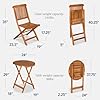


Best Choice Products 3-Piece Acacia Wood Bistro Set, Folding Patio Furniture for Backyard, Balcony, Deck w/ 2 Chairs, Round Coffee Table, Teak Finish - Natural
11% Off



Christopher Knight Home Louver Club Chairs, Teak + Cream
$390.99 (as of March 6, 2026 02:24 GMT -05:00 - More infoProduct prices and availability are accurate as of the date/time indicated and are subject to change. Any price and availability information displayed on [relevant Amazon Site(s), as applicable] at the time of purchase will apply to the purchase of this product.)





Signature Design by Ashley Clare View Outdoor Patio Sofa, 4 Throw Pillows, Nuvella Weather Resistant Fabric, Eucalyptus Wood, 81" W x 35" D x 32" H, Beige
$1,369.99 (as of March 6, 2026 02:24 GMT -05:00 - More infoProduct prices and availability are accurate as of the date/time indicated and are subject to change. Any price and availability information displayed on [relevant Amazon Site(s), as applicable] at the time of purchase will apply to the purchase of this product.)





Lokingrise 4-Piece Deep Seating Teak Wood Patio Furniture Set, Acacia Wood Outdoor Conversation Sofa Set with Cushioned Loveseat, Armchairs and Coffee Table for Garden, Deck, Backyard
$859.99 (as of March 6, 2026 02:24 GMT -05:00 - More infoProduct prices and availability are accurate as of the date/time indicated and are subject to change. Any price and availability information displayed on [relevant Amazon Site(s), as applicable] at the time of purchase will apply to the purchase of this product.)


Merax Outdoor Acacia Wood Conversation Set, 3-Seat Loveseat Sofa w/Coushion and Round Coffee Table for Backyard, Patio Furniture, Teak+Beige
$519.99 (as of March 6, 2026 02:24 GMT -05:00 - More infoProduct prices and availability are accurate as of the date/time indicated and are subject to change. Any price and availability information displayed on [relevant Amazon Site(s), as applicable] at the time of purchase will apply to the purchase of this product.)![[3 PIECE SET] This patio conversation set includes: 2 patio lounge chairs and 1 patio side table. [PREMIUM TEAK WOOD] Sourced from sustainable forests, our patio conversation set is expertly crafted from high-quality teak wood, ensuring both durabili...](https://m.media-amazon.com/images/I/61RlGdGcaiL._SL160_.jpg)



Cambridge Casual Robin Teak Wood 3 Piece Patio Conversation Set with Oyster Cushion
$994.70 (as of March 6, 2026 02:24 GMT -05:00 - More infoProduct prices and availability are accurate as of the date/time indicated and are subject to change. Any price and availability information displayed on [relevant Amazon Site(s), as applicable] at the time of purchase will apply to the purchase of this product.)





PURPLE LEAF 11 Pieces Patio Dining Set Wicker Outdoor Furniture Rectangular Table and Chairs Set for Garden Deck Teak-Finish Aluminum Frame Backyard Kitchen Set, Cushions and Pillows Included
$2,099.00 (as of March 6, 2026 02:24 GMT -05:00 - More infoProduct prices and availability are accurate as of the date/time indicated and are subject to change. Any price and availability information displayed on [relevant Amazon Site(s), as applicable] at the time of purchase will apply to the purchase of this product.)![[Versatile Outdoor Modular Sofa Set] This 6-piece acacia wood patio furniture set features a customizable L-shaped configuration with 3 armless chairs, 1 corner sofa, 1 ottoman, and 1 tea table – ideal for dynamic outdoor entertaining. The modular de...](https://m.media-amazon.com/images/I/51CUH9Yb9gL._SL160_.jpg)



Merax 6 Pieces Patio Furniture Set, Outdoor L-Shaped Sectional Sofa Set with Coffee Table, Acacia Wood Conversation Seating & Cushions and Lumbar Pillows, for Garden, Poolside and Backyard, Teak+Beige
$899.99 (as of March 6, 2026 02:24 GMT -05:00 - More infoProduct prices and availability are accurate as of the date/time indicated and are subject to change. Any price and availability information displayed on [relevant Amazon Site(s), as applicable] at the time of purchase will apply to the purchase of this product.)
Now retrieving an image set.
Bistro Table and Chairs Set of 2, 3 Piece Outdoor/Indoor Folding Patio Bistro Sets, 2 Chair Patio Furniture Set with Table, Premium Frame Foldable Coffee Tables for Balcony, Yard, Garden, Black
$62.75 (as of March 6, 2026 17:36 GMT -05:00 - More infoProduct prices and availability are accurate as of the date/time indicated and are subject to change. Any price and availability information displayed on [relevant Amazon Site(s), as applicable] at the time of purchase will apply to the purchase of this product.)
Now retrieving an image set.
Vongrasig 3 Piece Outdoor Rocking Bistro Set, Textilene Fabric Small Patio Furniture Set, Front Porch Rocker Chairs Conversation Set with Glass Table for Lawn, Garden, Balcony, Poolside (Light Gray)
$109.98 (as of March 6, 2026 17:36 GMT -05:00 - More infoProduct prices and availability are accurate as of the date/time indicated and are subject to change. Any price and availability information displayed on [relevant Amazon Site(s), as applicable] at the time of purchase will apply to the purchase of this product.)
Now retrieving an image set.
Shintenchi 4 Pieces Patio Furniture Set All Weather Textile Fabric Outdoor Conversation Set, with Glass Coffee Table, Loveseat, 2 Single Chairs for Home, Garden, Lawn, Porch(Gray)
$109.98 (as of March 6, 2026 17:36 GMT -05:00 - More infoProduct prices and availability are accurate as of the date/time indicated and are subject to change. Any price and availability information displayed on [relevant Amazon Site(s), as applicable] at the time of purchase will apply to the purchase of this product.)
Now retrieving an image set.
Murago 3 Piece Wicker Patio Bistro Set, Rattan Conversation Set with Coffee Table, for Balcony, Porch, Garden, Yard, Poolside, Black Frame with Black Cushion
$69.99 (as of March 6, 2026 17:36 GMT -05:00 - More infoProduct prices and availability are accurate as of the date/time indicated and are subject to change. Any price and availability information displayed on [relevant Amazon Site(s), as applicable] at the time of purchase will apply to the purchase of this product.)
Now retrieving an image set.