Quick Summary: The timeline for finishing teak furniture typically ranges from a few days to several weeks, depending on the method used and environmental conditions. If applying oil or a sealant, allow each coat to dry for 24 hours before applying the next, which can take about one week for multiple coats. For varnishing, the process may take longer due to the need for sanding between coats and curing time, potentially extending the timeline to two to three weeks. Proper preparation and drying times are crucial for achieving a durable and attractive finish.

In This Article
- Achieve Stunning Results with Teak Furniture Finishing Techniques
- Understanding Teak Wood
- Essential Tools and Materials
- Step-by-Step Finishing Techniques
- Maintenance Tips for Teak Furniture
- Conclusion
- Questions You Might Have
- What are the benefits of teak furniture?
- How should I care for teak furniture?
- Is teak furniture environmentally friendly?
- What makes teak furniture more expensive than other woods?
Achieve Stunning Results with Teak Furniture Finishing Techniques
Teak furniture, renowned for its rich color and natural durability, can transform any space into a sanctuary of elegance when finished correctly. The finishing process, while meticulous, is essential to enhance the wood’s inherent beauty and protect it from the elements. With techniques ranging from oil applications to varnishing, each method requires patience and precision, allowing the wood to breathe and settle into its final form. As you embark on this journey, understanding the importance of drying times and preparation will ensure that your teak pieces not only shine but also stand the test of time, becoming cherished elements of your home.
Understanding Teak Wood
Teak wood is renowned for its high oil content, tight grain, and resistance to moisture, making it an ideal choice for both indoor and outdoor furniture. Its natural golden-brown hue can deepen over time, developing a beautiful patina. However, without proper care, teak can become gray and weathered. Understanding the properties of teak is essential for selecting the right finishing technique.
Essential Tools and Materials
Before starting your finishing project, gather the necessary tools and materials. Here’s a comprehensive list:
- Sandpaper: Use a range from 120 to 220 grit for smoothing surfaces.
- Wood cleaner: A teak cleaner or a mild soap solution to remove dirt and oils.
- Brushes: High-quality brushes for applying finishes evenly.
- Rags: Lint-free rags for wiping excess finish.
- Teak oil or sealer: Choose between natural oils or synthetic sealers based on your desired finish.
- Protective gear: Gloves, goggles, and a mask to ensure safety during the process.
Step-by-Step Finishing Techniques
1. Cleaning the Surface
The first step in finishing teak furniture is to clean the surface thoroughly. Use a teak cleaner or a mixture of mild soap and water to remove dirt, grease, and old finishes. Apply the cleaner with a soft cloth or sponge, scrubbing gently to avoid damaging the wood. Rinse with clean water and allow the furniture to dry completely before proceeding.
2. Sanding the Wood
Sanding is crucial for achieving a smooth finish. Start with 120-grit sandpaper to remove any rough spots or old finishes. Sand in the direction of the grain to avoid scratches. Once the surface feels smooth, switch to 220-grit sandpaper for a finer finish. This step not only prepares the wood for finishing but also enhances its natural beauty by revealing the grain patterns.
3. Choosing the Right Finish
The choice of finish can significantly affect the appearance and durability of your teak furniture. Here are some popular options:
- Teak Oil: This natural oil penetrates deeply into the wood, enhancing its color and providing a warm glow. It requires reapplication every few months but is easy to apply.
- Marine Varnish: Ideal for outdoor furniture, marine varnish offers excellent protection against UV rays and moisture. It creates a hard, glossy finish that can last for years.
- Polyurethane: Available in both oil-based and water-based formulas, polyurethane provides a durable finish that resists scratches and stains. It is suitable for indoor furniture.
4. Applying the Finish
Once you’ve selected your finish, it’s time to apply it. For teak oil, use a brush or cloth to apply an even coat, working in small sections. Allow the oil to soak in for about 15-30 minutes, then wipe off any excess with a clean rag. For varnish or polyurethane, use a high-quality brush to apply thin coats, allowing each coat to dry completely before sanding lightly with fine-grit sandpaper between applications. Typically, two to three coats are recommended for optimal protection.
5. Final Touches
After applying the final coat of finish, let your teak furniture cure according to the manufacturer’s instructions. This may take several days depending on the type of finish used. Once cured, inspect your work; if desired, you can buff the surface with a soft cloth to achieve an even higher sheen.
Maintenance Tips for Teak Furniture
To keep your teak furniture looking stunning year-round, regular maintenance is essential. Here are some tips:
- Clean Regularly: Wipe down your furniture with a damp cloth to remove dust and debris.
- Avoid Harsh Chemicals: Use mild cleaners specifically designed for teak to prevent damage.
- Reapply Finish as Needed: Depending on exposure to sunlight and weather conditions, reapply teak oil or sealer every 6-12 months.
- Store Indoors: If possible, store your teak furniture indoors during harsh weather conditions to prolong its life.
Conclusion
Finishing teak furniture is not just about aesthetics; it’s about preserving the integrity of this beautiful wood for years to come. By following these detailed steps and using the right techniques, you can achieve stunning results that enhance both the beauty and durability of your teak pieces. Remember that regular maintenance is key to keeping your furniture looking its best. With care and attention, your teak furniture will remain a cherished part of your home for generations.
For more information on wood finishing techniques and maintenance tips, consider visiting resources like Google or Bing for expert advice and tutorials.
Questions You Might Have
What are the benefits of teak furniture?
Teak furniture is renowned for its durability and resistance to weather elements, making it ideal for outdoor use. Its natural oils help protect against moisture, pests, and decay, ensuring longevity. Additionally, teak has a beautiful golden-brown color that deepens over time, enhancing its aesthetic appeal. This combination of strength and beauty makes teak a popular choice for both indoor and outdoor furnishings.
How should I care for teak furniture?
Caring for teak furniture involves regular cleaning and occasional oiling to maintain its rich color and prevent drying. Use a mild soap solution and a soft cloth to clean the surface, avoiding harsh chemicals that can damage the wood. If you prefer the silver-gray patina that develops over time, you can skip oiling, but if you want to preserve its original hue, apply teak oil every few months. Additionally, storing it in a dry place during extreme weather can extend its lifespan.
Is teak furniture environmentally friendly?
Teak furniture can be considered environmentally friendly when sourced from sustainably managed plantations. Responsible harvesting practices ensure that the forests are preserved and that biodiversity is maintained. Look for certifications like the Forest Stewardship Council (FSC) label to ensure that the teak is sourced ethically. By choosing certified teak, consumers can enjoy high-quality furniture while supporting sustainable forestry practices.
What makes teak furniture more expensive than other woods?
The higher cost of teak furniture is primarily due to its exceptional durability and resistance to the elements, which require longer growth periods and more careful harvesting practices. Teak trees take decades to mature, and their dense wood is naturally resistant to rot and pests. Additionally, the craftsmanship involved in creating quality teak furniture often involves skilled artisans, further contributing to the price. This investment pays off in longevity and timeless beauty.


Christopher Knight Home Esme Outdoor Acacia Wood Bench, Teak Finish
27% Off





Furniture Clinic Teak Oil | Wood Oil Protects & Cleans Outdoor & Indoor Furniture, Boats, Shower Benches | Restore & Protect Wood, Prevent Drying & Other Damage | Natural Matte Finish | 17oz/500ml
10% Off
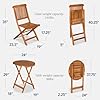


Best Choice Products 3-Piece Acacia Wood Bistro Set, Folding Patio Furniture for Backyard, Balcony, Deck w/ 2 Chairs, Round Coffee Table, Teak Finish - Natural
11% Off

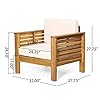


Christopher Knight Home Louver Club Chairs, Teak + Cream
$390.99 (as of March 6, 2026 02:24 GMT -05:00 - More infoProduct prices and availability are accurate as of the date/time indicated and are subject to change. Any price and availability information displayed on [relevant Amazon Site(s), as applicable] at the time of purchase will apply to the purchase of this product.)





Signature Design by Ashley Clare View Outdoor Patio Sofa, 4 Throw Pillows, Nuvella Weather Resistant Fabric, Eucalyptus Wood, 81" W x 35" D x 32" H, Beige
$1,369.99 (as of March 6, 2026 02:24 GMT -05:00 - More infoProduct prices and availability are accurate as of the date/time indicated and are subject to change. Any price and availability information displayed on [relevant Amazon Site(s), as applicable] at the time of purchase will apply to the purchase of this product.)





Lokingrise 4-Piece Deep Seating Teak Wood Patio Furniture Set, Acacia Wood Outdoor Conversation Sofa Set with Cushioned Loveseat, Armchairs and Coffee Table for Garden, Deck, Backyard
$859.99 (as of March 6, 2026 02:24 GMT -05:00 - More infoProduct prices and availability are accurate as of the date/time indicated and are subject to change. Any price and availability information displayed on [relevant Amazon Site(s), as applicable] at the time of purchase will apply to the purchase of this product.)


Merax Outdoor Acacia Wood Conversation Set, 3-Seat Loveseat Sofa w/Coushion and Round Coffee Table for Backyard, Patio Furniture, Teak+Beige
$519.99 (as of March 6, 2026 02:24 GMT -05:00 - More infoProduct prices and availability are accurate as of the date/time indicated and are subject to change. Any price and availability information displayed on [relevant Amazon Site(s), as applicable] at the time of purchase will apply to the purchase of this product.)![[3 PIECE SET] This patio conversation set includes: 2 patio lounge chairs and 1 patio side table. [PREMIUM TEAK WOOD] Sourced from sustainable forests, our patio conversation set is expertly crafted from high-quality teak wood, ensuring both durabili...](https://m.media-amazon.com/images/I/61RlGdGcaiL._SL160_.jpg)



Cambridge Casual Robin Teak Wood 3 Piece Patio Conversation Set with Oyster Cushion
$994.70 (as of March 6, 2026 02:24 GMT -05:00 - More infoProduct prices and availability are accurate as of the date/time indicated and are subject to change. Any price and availability information displayed on [relevant Amazon Site(s), as applicable] at the time of purchase will apply to the purchase of this product.)





PURPLE LEAF 11 Pieces Patio Dining Set Wicker Outdoor Furniture Rectangular Table and Chairs Set for Garden Deck Teak-Finish Aluminum Frame Backyard Kitchen Set, Cushions and Pillows Included
$2,099.00 (as of March 6, 2026 02:24 GMT -05:00 - More infoProduct prices and availability are accurate as of the date/time indicated and are subject to change. Any price and availability information displayed on [relevant Amazon Site(s), as applicable] at the time of purchase will apply to the purchase of this product.)![[Versatile Outdoor Modular Sofa Set] This 6-piece acacia wood patio furniture set features a customizable L-shaped configuration with 3 armless chairs, 1 corner sofa, 1 ottoman, and 1 tea table – ideal for dynamic outdoor entertaining. The modular de...](https://m.media-amazon.com/images/I/51CUH9Yb9gL._SL160_.jpg)



Merax 6 Pieces Patio Furniture Set, Outdoor L-Shaped Sectional Sofa Set with Coffee Table, Acacia Wood Conversation Seating & Cushions and Lumbar Pillows, for Garden, Poolside and Backyard, Teak+Beige
$899.99 (as of March 6, 2026 02:24 GMT -05:00 - More infoProduct prices and availability are accurate as of the date/time indicated and are subject to change. Any price and availability information displayed on [relevant Amazon Site(s), as applicable] at the time of purchase will apply to the purchase of this product.)
Now retrieving an image set.
Greesum Patio Furniture 4 Pieces Conversation Sets Outdoor Wicker Rattan Chairs Garden Backyard Balcony Porch Poolside loveseat with Soft Cushion and Glass Table, Brown and Beige
$145.99 (as of March 6, 2026 17:36 GMT -05:00 - More infoProduct prices and availability are accurate as of the date/time indicated and are subject to change. Any price and availability information displayed on [relevant Amazon Site(s), as applicable] at the time of purchase will apply to the purchase of this product.)
Now retrieving an image set.
Oasbira Aluminum Outdoor Patio Furniture Set with Coffee Table, 5 Piece Patio Conversation Sets with Washable Thick Cushions, Outdoor Sectional Furniture Set for Porch, Balcony, Deck, Yard, Graphite
$749.99 (as of March 6, 2026 17:36 GMT -05:00 - More infoProduct prices and availability are accurate as of the date/time indicated and are subject to change. Any price and availability information displayed on [relevant Amazon Site(s), as applicable] at the time of purchase will apply to the purchase of this product.)
Now retrieving an image set.
Aoxun Aluminum Patio Furniture Set 7 Seats, Oversized Outdoor Sectional with Washable Thick Cushions, Coffee Table and Waterproof Cover, Patio Conversation Sets for Porch, Balcony, Deck
$679.99 (as of March 6, 2026 17:36 GMT -05:00 - More infoProduct prices and availability are accurate as of the date/time indicated and are subject to change. Any price and availability information displayed on [relevant Amazon Site(s), as applicable] at the time of purchase will apply to the purchase of this product.)
Now retrieving an image set.
Homall 4 Pieces Outdoor Patio Furniture Sets Rattan Chair Wicker Set,Outdoor Indoor Use Backyard Porch Garden Poolside Balcony Furniture (Brown and Beige)
$139.99 (as of March 6, 2026 17:36 GMT -05:00 - More infoProduct prices and availability are accurate as of the date/time indicated and are subject to change. Any price and availability information displayed on [relevant Amazon Site(s), as applicable] at the time of purchase will apply to the purchase of this product.)
Now retrieving an image set.