Key Takeaway: Teak wood is highly valued for furniture making due to its exceptional durability and resistance to moisture, insects, and decay. Its natural oils provide a protective barrier, making it ideal for outdoor furniture. Additionally, teak has a beautiful grain and rich color that enhances its aesthetic appeal, allowing it to age gracefully over time. These qualities, combined with its scarcity and high demand, contribute to its premium price in the market.

Article Guide
- The Value of Teak Wood for Premium Furniture Making
- Characteristics of Teak Wood
- Benefits of Using Teak Wood in Furniture Making
- Teak Wood in Outdoor Furniture
- Crafting with Teak Wood
- Caring for Teak Furniture
- The Investment Value of Teak Furniture
- Other Questions People Ask
- What are the benefits of using teak wood for furniture?
- How does teak wood compare to other hardwoods?
- Is teak wood sustainable?
- What maintenance does teak wood require?
The Value of Teak Wood for Premium Furniture Making
Teak wood stands out as a premier choice for furniture making, celebrated for its remarkable durability and resistance to the elements. Its natural oils create a protective barrier, ensuring that pieces crafted from teak can withstand moisture and resist decay, making it particularly suited for outdoor settings. The wood’s striking grain and rich, warm hues not only enhance its visual appeal but also allow it to develop a unique patina over time, adding character to any space. As demand continues to rise and supplies dwindle, the allure of teak wood is further amplified, solidifying its status as a luxurious investment in quality craftsmanship.
Teak wood, scientifically known as Tectona grandis, is renowned for its exceptional qualities that make it a top choice for premium furniture making. Its rich history, durability, and aesthetic appeal have made it a staple in both indoor and outdoor furniture design. This article delves into the various aspects that contribute to the value of teak wood, including its characteristics, benefits, and the reasons why it is favored by artisans and consumers alike.
Characteristics of Teak Wood
Teak wood is distinguished by several unique characteristics that set it apart from other types of wood:
- Natural Oils: Teak contains high levels of natural oils that provide resistance to moisture, making it less prone to warping and cracking. This property is particularly beneficial for outdoor furniture, which is often exposed to varying weather conditions.
- Durability: Known for its strength, teak wood can withstand heavy use without showing signs of wear. This durability makes it an ideal choice for furniture that is intended to last for generations.
- Aesthetic Appeal: The rich golden-brown color of teak wood deepens over time, developing a beautiful patina that enhances its visual appeal. The natural grain patterns are also striking, adding character to each piece of furniture.
- Resistance to Pests: Teak wood is naturally resistant to termites and other pests, which can be a significant advantage in maintaining the integrity of furniture over time.
Benefits of Using Teak Wood in Furniture Making
The benefits of using Read about what are the common disadvantages of using teak wood? extend beyond its physical properties. Here are some compelling reasons why teak is a preferred material in the furniture industry:
- Longevity: Teak furniture can last for decades, if not longer, with proper care. For example, many antique teak pieces from the mid-20th century are still in excellent condition today, showcasing the wood’s remarkable longevity.
- Low Maintenance: Unlike other woods that require regular sealing or treatment, teak’s natural oils provide a protective barrier. A simple wash with mild soap and water is often sufficient to keep teak furniture looking pristine.
- Eco-Friendly Options: Sustainable teak sourced from responsibly managed plantations ensures that your furniture is not only beautiful but also environmentally friendly. Certifications such as the Forest Stewardship Council (FSC) guarantee that the teak is harvested sustainably.
- Versatility: Teak wood can be crafted into a variety of styles, from traditional to modern. Its adaptability allows designers to create unique pieces that fit diverse aesthetics and functional needs.
Teak Wood in Outdoor Furniture
Teak wood is particularly popular for outdoor furniture due to its inherent properties. Here’s why it excels in outdoor settings:
- Weather Resistance: The natural oils in teak repel water and resist the effects of sun exposure. For instance, a teak dining set left outside year-round will maintain its structural integrity and beauty far better than furniture made from other woods.
- Comfort and Stability: Teak does not splinter easily, making it comfortable for outdoor seating. Additionally, it remains stable under temperature fluctuations, ensuring that your outdoor furniture remains functional and safe.
- Timeless Design: Teak outdoor furniture often features classic designs that never go out of style. Pieces like the iconic Adirondack chair or elegant dining tables can enhance any patio or garden setting.
Crafting with Teak Wood
The process of crafting furniture from teak wood involves several steps that highlight the skill and artistry of the craftsmen:
- Selecting Quality Wood: High-quality teak is characterized by tight grain patterns and a uniform color. Craftsmen often select wood that has been air-dried for several months to ensure optimal moisture content before working with it.
- Precision Cutting: Skilled artisans use advanced tools to cut the wood precisely. This precision is crucial in ensuring that joints fit seamlessly, which enhances both the durability and aesthetic appeal of the final product.
- Finishing Touches: After assembly, teak furniture may be sanded to achieve a smooth finish. Some craftsmen choose to apply a light oil finish to enhance the natural color and grain without compromising the wood’s inherent properties.
Caring for Teak Furniture
Caring for teak furniture is relatively straightforward, but following specific guidelines can help maintain its beauty and longevity:
- Regular Cleaning: Clean your teak furniture regularly with a soft cloth and mild soap solution. Avoid harsh chemicals that can strip away the natural oils.
- Avoid Direct Sunlight: While teak is resistant to sun damage, prolonged exposure can fade its color. Consider using umbrellas or covers when not in use to protect your furniture.
- Periodic Oiling: If you prefer the original golden hue of teak, consider applying a specialized teak oil every year or two. This will help maintain its color and protect it from environmental elements.
The Investment Value of Teak Furniture
Investing in teak furniture can be seen as a long-term financial decision. Here are some points to consider:
- Resale Value: Due to its durability and timeless appeal, teak furniture often retains its value well over time. Antique teak pieces can fetch high prices at auctions due to their rarity and craftsmanship.
- Cost-Effectiveness: While the initial cost of teak furniture may be higher than other materials, its longevity means fewer replacements over time, making it a cost-effective choice in the long run.
- Aesthetic Investment: The beauty of teak furniture enhances any space, adding elegance and sophistication. This aesthetic value can elevate your home’s overall appeal and ambiance.
All in all, the value of teak wood in premium furniture making lies in its unique characteristics, numerous benefits, and timeless appeal. Whether you are looking for indoor elegance or durable outdoor solutions, teak wood stands out as an exceptional choice that combines functionality with beauty. By understanding its properties and investing in quality craftsmanship, you can enjoy the lasting benefits of this remarkable material for years to come.
Other Questions People Ask
What are the benefits of using teak wood for furniture?
Teak wood is highly valued for its durability and resistance to moisture, making it an excellent choice for both indoor and outdoor furniture. Its natural oils help protect it from pests and decay, ensuring longevity. Additionally, teak has a beautiful golden-brown color that enhances its aesthetic appeal, and it requires minimal maintenance over time.
How does teak wood compare to other hardwoods?
Teak wood is often considered superior to other hardwoods due to its unique properties, such as high oil content and natural resistance to water and insects. Unlike many other hardwoods, teak does not warp or crack easily, even in varying climates. This makes it particularly suitable for outdoor use, where exposure to the elements can be a concern.
Is teak wood sustainable?
The sustainability of teak wood largely depends on its source. Teak from responsibly managed plantations can be considered sustainable, as these practices ensure that the forests are maintained and not overexploited. However, teak harvested from illegal logging or unsustainable sources can contribute to deforestation and environmental degradation, so it’s essential to verify the origin before purchasing.
What maintenance does teak wood require?
Teak wood requires minimal maintenance due to its natural oils that protect it from moisture and pests. Regular cleaning with mild soap and water is usually sufficient to keep it looking good. If desired, applying a teak oil can enhance its color and provide additional protection, but this is not necessary for the wood’s durability.


Christopher Knight Home Esme Outdoor Acacia Wood Bench, Teak Finish
27% Off


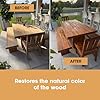


Furniture Clinic Teak Oil | Wood Oil Protects & Cleans Outdoor & Indoor Furniture, Boats, Shower Benches | Restore & Protect Wood, Prevent Drying & Other Damage | Natural Matte Finish | 17oz/500ml
10% Off
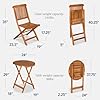


Best Choice Products 3-Piece Acacia Wood Bistro Set, Folding Patio Furniture for Backyard, Balcony, Deck w/ 2 Chairs, Round Coffee Table, Teak Finish - Natural
11% Off

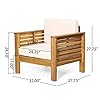


Christopher Knight Home Louver Club Chairs, Teak + Cream
$390.99 (as of March 6, 2026 02:24 GMT -05:00 - More infoProduct prices and availability are accurate as of the date/time indicated and are subject to change. Any price and availability information displayed on [relevant Amazon Site(s), as applicable] at the time of purchase will apply to the purchase of this product.)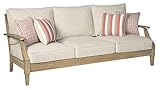


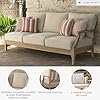
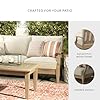
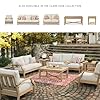
Signature Design by Ashley Clare View Outdoor Patio Sofa, 4 Throw Pillows, Nuvella Weather Resistant Fabric, Eucalyptus Wood, 81" W x 35" D x 32" H, Beige
$1,369.99 (as of March 6, 2026 02:24 GMT -05:00 - More infoProduct prices and availability are accurate as of the date/time indicated and are subject to change. Any price and availability information displayed on [relevant Amazon Site(s), as applicable] at the time of purchase will apply to the purchase of this product.)





Lokingrise 4-Piece Deep Seating Teak Wood Patio Furniture Set, Acacia Wood Outdoor Conversation Sofa Set with Cushioned Loveseat, Armchairs and Coffee Table for Garden, Deck, Backyard
$859.99 (as of March 6, 2026 02:24 GMT -05:00 - More infoProduct prices and availability are accurate as of the date/time indicated and are subject to change. Any price and availability information displayed on [relevant Amazon Site(s), as applicable] at the time of purchase will apply to the purchase of this product.)
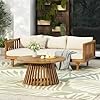

Merax Outdoor Acacia Wood Conversation Set, 3-Seat Loveseat Sofa w/Coushion and Round Coffee Table for Backyard, Patio Furniture, Teak+Beige
$519.99 (as of March 6, 2026 02:24 GMT -05:00 - More infoProduct prices and availability are accurate as of the date/time indicated and are subject to change. Any price and availability information displayed on [relevant Amazon Site(s), as applicable] at the time of purchase will apply to the purchase of this product.)![[3 PIECE SET] This patio conversation set includes: 2 patio lounge chairs and 1 patio side table. [PREMIUM TEAK WOOD] Sourced from sustainable forests, our patio conversation set is expertly crafted from high-quality teak wood, ensuring both durabili...](https://m.media-amazon.com/images/I/61RlGdGcaiL._SL160_.jpg)
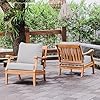



Cambridge Casual Robin Teak Wood 3 Piece Patio Conversation Set with Oyster Cushion
$994.70 (as of March 6, 2026 02:24 GMT -05:00 - More infoProduct prices and availability are accurate as of the date/time indicated and are subject to change. Any price and availability information displayed on [relevant Amazon Site(s), as applicable] at the time of purchase will apply to the purchase of this product.)

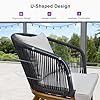
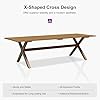


PURPLE LEAF 11 Pieces Patio Dining Set Wicker Outdoor Furniture Rectangular Table and Chairs Set for Garden Deck Teak-Finish Aluminum Frame Backyard Kitchen Set, Cushions and Pillows Included
$2,099.00 (as of March 6, 2026 02:24 GMT -05:00 - More infoProduct prices and availability are accurate as of the date/time indicated and are subject to change. Any price and availability information displayed on [relevant Amazon Site(s), as applicable] at the time of purchase will apply to the purchase of this product.)![[Versatile Outdoor Modular Sofa Set] This 6-piece acacia wood patio furniture set features a customizable L-shaped configuration with 3 armless chairs, 1 corner sofa, 1 ottoman, and 1 tea table – ideal for dynamic outdoor entertaining. The modular de...](https://m.media-amazon.com/images/I/51CUH9Yb9gL._SL160_.jpg)
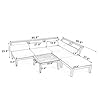

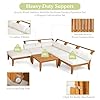


Merax 6 Pieces Patio Furniture Set, Outdoor L-Shaped Sectional Sofa Set with Coffee Table, Acacia Wood Conversation Seating & Cushions and Lumbar Pillows, for Garden, Poolside and Backyard, Teak+Beige
$899.99 (as of March 6, 2026 02:24 GMT -05:00 - More infoProduct prices and availability are accurate as of the date/time indicated and are subject to change. Any price and availability information displayed on [relevant Amazon Site(s), as applicable] at the time of purchase will apply to the purchase of this product.)
Now retrieving an image set.
SERWALL 7-Piece Patio Dining Table Sets, Outdoor HDPE Dining Furniture Set with Umbrella Hole Cut-Out Table and 6 Chairs, Black
$557.69 (as of March 6, 2026 17:36 GMT -05:00 - More infoProduct prices and availability are accurate as of the date/time indicated and are subject to change. Any price and availability information displayed on [relevant Amazon Site(s), as applicable] at the time of purchase will apply to the purchase of this product.)
Now retrieving an image set.
Oasbira Aluminum Outdoor Patio Furniture Set with Coffee Table, 5 Piece Patio Conversation Sets with Washable Thick Cushions, Outdoor Sectional Furniture Set for Porch, Balcony, Deck, Yard, Graphite
$749.99 (as of March 6, 2026 17:36 GMT -05:00 - More infoProduct prices and availability are accurate as of the date/time indicated and are subject to change. Any price and availability information displayed on [relevant Amazon Site(s), as applicable] at the time of purchase will apply to the purchase of this product.)
Now retrieving an image set.
Shintenchi 4 Pieces Patio Furniture Set All Weather Textile Fabric Outdoor Conversation Set, with Glass Coffee Table, Loveseat, 2 Single Chairs for Home, Garden, Lawn, Porch(Gray)
$109.98 (as of March 6, 2026 17:36 GMT -05:00 - More infoProduct prices and availability are accurate as of the date/time indicated and are subject to change. Any price and availability information displayed on [relevant Amazon Site(s), as applicable] at the time of purchase will apply to the purchase of this product.)
Now retrieving an image set.
Greesum Patio Furniture 4 Pieces Conversation Sets Outdoor Wicker Rattan Chairs Garden Backyard Balcony Porch Poolside loveseat with Soft Cushion and Glass Table, Brown and Beige
$145.99 (as of March 6, 2026 17:36 GMT -05:00 - More infoProduct prices and availability are accurate as of the date/time indicated and are subject to change. Any price and availability information displayed on [relevant Amazon Site(s), as applicable] at the time of purchase will apply to the purchase of this product.)
Now retrieving an image set.