Key Takeaway: Common disadvantages of using teak wood include its high cost, which can be prohibitive for some buyers. Additionally, teak is prone to warping and cracking if not properly maintained, especially in extreme weather conditions. Its natural oils can also make it difficult to glue or finish, posing challenges for certain projects. Lastly, the environmental impact of teak harvesting raises sustainability concerns, as overexploitation can lead to deforestation.

Jump To
- Understanding the Disadvantages of Using Teak Wood
- 1. Environmental Concerns
- 2. High Cost
- 3. Maintenance Requirements
- 4. Susceptibility to Scratches and Dents
- 5. Color Variability
- 6. Limited Availability of Quality Teak
- 7. Difficulty in Repairing Damage
- Conclusion
- Other Questions People Ask
- How should teak wood be maintained?
- What is teak wood and how does it work?
- How do you get started with teak wood?
Understanding the Disadvantages of Using Teak Wood
Teak wood is often celebrated for its beauty and durability, but it comes with a set of significant drawbacks that potential buyers should consider. The high price tag can be a major barrier, making it less accessible for those on a budget. Furthermore, without proper care, teak is susceptible to warping and cracking, particularly when exposed to harsh weather conditions. Its natural oils, while contributing to its aesthetic appeal, complicate the finishing process, making it challenging for craftsmen to achieve the desired results. Additionally, the environmental implications of teak harvesting raise pressing concerns about sustainability, as the demand for this prized wood can lead to detrimental deforestation practices.
Teak wood, known for its durability and beautiful grain, is often considered a premium choice for furniture and outdoor applications. However, despite its many advantages, there are significant disadvantages that potential buyers should consider before making a purchase. This article delves into the drawbacks of using teak wood, providing a comprehensive overview to help you make an informed decision.
1. Environmental Concerns
The demand for teak wood has led to serious environmental issues, particularly in Southeast Asia where it is predominantly harvested. Unsustainable logging practices have resulted in deforestation, threatening biodiversity and the habitats of numerous species. For instance, the depletion of teak forests in Myanmar has raised alarms among environmentalists, as these forests are home to endangered species such as the Asian elephant and various bird species.
Moreover, the illegal logging of teak contributes to climate change by releasing stored carbon dioxide into the atmosphere. As consumers become more environmentally conscious, the sourcing of teak wood raises ethical questions about sustainability and conservation efforts.
2. High Cost
Teak wood is one of the most expensive types of hardwood available on the market. Prices can range from $20 to $50 per board foot, depending on quality and source. This high cost can be prohibitive for many homeowners and businesses looking to furnish their spaces economically. For example, a simple teak dining table can easily exceed $1,000, while custom pieces may cost several thousand dollars.
In contrast, alternative woods such as oak or pine offer similar aesthetic qualities at a fraction of the price. While teak’s longevity may justify its cost for some, others may find that they can achieve their desired look without breaking the bank.
3. Maintenance Requirements
While teak wood is celebrated for its natural oils that provide resistance to moisture and pests, it still requires regular maintenance to preserve its appearance and functionality. Without proper care, teak can lose its rich golden hue and develop a weathered gray patina over time. To maintain its color, owners must apply teak oil or a protective finish every six months to a year.
- Cleaning: Regular cleaning with mild soap and water is essential to remove dirt and grime.
- Oiling: Applying teak oil helps maintain color and luster; however, it can be time-consuming.
- Protection: Using covers during harsh weather conditions can prevent damage and prolong the life of your teak furniture.
For those who prefer low-maintenance options, other materials such as synthetic composites or treated woods may be more suitable.
4. Susceptibility to Scratches and Dents
Despite its reputation for durability, teak wood is not impervious to scratches and dents. The soft nature of the wood means that it can be easily marked by sharp objects or heavy furniture being moved across its surface. For example, dragging a metal chair across a teak deck can leave unsightly scratches that detract from its natural beauty.
This susceptibility can be particularly concerning in high-traffic areas or homes with children and pets. To mitigate this risk, homeowners may need to invest in protective pads for furniture legs or avoid placing heavy items directly on the surface of teak furniture.
5. Color Variability
Teak wood is known for its stunning golden-brown color; however, this color can vary significantly from piece to piece. Factors such as the age of the tree, growth conditions, and processing methods can all influence the final appearance of the wood. As a result, matching pieces for a cohesive look can be challenging.
For instance, if you purchase a teak dining table and later decide to add matching chairs, you may find that the new pieces do not match the original table due to differences in color and grain patterns. This variability can lead to frustration for homeowners seeking a uniform aesthetic in their decor.
6. Limited Availability of Quality Teak
The best quality teak wood comes from old-growth forests, which are increasingly rare due to overharvesting and deforestation. As a result, finding high-quality teak that meets ethical sourcing standards can be difficult. Many consumers may unknowingly purchase lower-grade teak that lacks the durability and beauty associated with premium products.
Additionally, some manufacturers may blend lower-quality teak with other woods or use fillers to enhance appearance, which can compromise the integrity of the final product. To ensure you are purchasing genuine quality teak, it is essential to research suppliers thoroughly and seek certifications that guarantee sustainable sourcing practices.
7. Difficulty in Repairing Damage
If your teak furniture becomes damaged—whether through scratches, dents, or water stains—repairing it can be challenging. Unlike some other woods that can be sanded down and refinished easily, teak requires specialized knowledge and skills for effective restoration. For example, removing deep scratches may necessitate sanding down the affected area and reapplying oil or finish, which can be labor-intensive and may not yield perfect results.
This difficulty in repair means that homeowners must be extra cautious when using teak furniture or consider hiring professionals for maintenance tasks, adding to the overall cost of ownership.
Conclusion
While teak wood offers undeniable beauty and durability, it is essential to weigh these advantages against the potential disadvantages outlined above. From environmental concerns and high costs to maintenance requirements and repair difficulties, understanding these factors will help you make an informed decision about whether teak wood is the right choice for your needs.
If you decide that the benefits outweigh the drawbacks, ensure you source your teak responsibly and commit to regular maintenance to enjoy its beauty for years to come. Alternatively, consider exploring other wood options that may provide similar aesthetics with fewer downsides.
Other Questions People Ask
How should teak wood be maintained?
To maintain teak wood, regular cleaning with mild soap and water is recommended to remove dirt and grime. Applying a teak oil or sealer can enhance its natural color and provide additional protection against the elements. It’s also advisable to avoid harsh chemicals or excessive moisture, which can damage the wood over time.
What is teak wood and how does it work?
In simple terms, teak wood refers to the core process or practice behind your project. For example, a beginner might break a large task into smaller milestones and set aside 5–10 hours to experiment with basic techniques. This helps you plan your time, gather the right materials and measure progress. Understanding these mechanics ensures you work efficiently and achieve tangible results.
How do you get started with teak wood?
To get started with teak wood: 1. Research at least two reputable sources to learn the fundamentals. 2. Gather essential tools or materials and set a modest budget, such as $50, for supplies. 3. Dedicate a regular practice schedule (e.g., 30 minutes per day) and follow a step‑by‑step plan. 4. Evaluate your progress each week and adjust your approach based on what you learn.


Christopher Knight Home Esme Outdoor Acacia Wood Bench, Teak Finish
27% Off





Furniture Clinic Teak Oil | Wood Oil Protects & Cleans Outdoor & Indoor Furniture, Boats, Shower Benches | Restore & Protect Wood, Prevent Drying & Other Damage | Natural Matte Finish | 17oz/500ml
10% Off
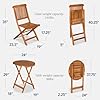


Best Choice Products 3-Piece Acacia Wood Bistro Set, Folding Patio Furniture for Backyard, Balcony, Deck w/ 2 Chairs, Round Coffee Table, Teak Finish - Natural
11% Off

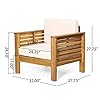


Christopher Knight Home Louver Club Chairs, Teak + Cream
$390.99 (as of March 6, 2026 02:24 GMT -05:00 - More infoProduct prices and availability are accurate as of the date/time indicated and are subject to change. Any price and availability information displayed on [relevant Amazon Site(s), as applicable] at the time of purchase will apply to the purchase of this product.)





Signature Design by Ashley Clare View Outdoor Patio Sofa, 4 Throw Pillows, Nuvella Weather Resistant Fabric, Eucalyptus Wood, 81" W x 35" D x 32" H, Beige
$1,369.99 (as of March 6, 2026 02:24 GMT -05:00 - More infoProduct prices and availability are accurate as of the date/time indicated and are subject to change. Any price and availability information displayed on [relevant Amazon Site(s), as applicable] at the time of purchase will apply to the purchase of this product.)





Lokingrise 4-Piece Deep Seating Teak Wood Patio Furniture Set, Acacia Wood Outdoor Conversation Sofa Set with Cushioned Loveseat, Armchairs and Coffee Table for Garden, Deck, Backyard
$859.99 (as of March 6, 2026 02:24 GMT -05:00 - More infoProduct prices and availability are accurate as of the date/time indicated and are subject to change. Any price and availability information displayed on [relevant Amazon Site(s), as applicable] at the time of purchase will apply to the purchase of this product.)


Merax Outdoor Acacia Wood Conversation Set, 3-Seat Loveseat Sofa w/Coushion and Round Coffee Table for Backyard, Patio Furniture, Teak+Beige
$519.99 (as of March 6, 2026 02:24 GMT -05:00 - More infoProduct prices and availability are accurate as of the date/time indicated and are subject to change. Any price and availability information displayed on [relevant Amazon Site(s), as applicable] at the time of purchase will apply to the purchase of this product.)![[3 PIECE SET] This patio conversation set includes: 2 patio lounge chairs and 1 patio side table. [PREMIUM TEAK WOOD] Sourced from sustainable forests, our patio conversation set is expertly crafted from high-quality teak wood, ensuring both durabili...](https://m.media-amazon.com/images/I/61RlGdGcaiL._SL160_.jpg)



Cambridge Casual Robin Teak Wood 3 Piece Patio Conversation Set with Oyster Cushion
$994.70 (as of March 6, 2026 02:24 GMT -05:00 - More infoProduct prices and availability are accurate as of the date/time indicated and are subject to change. Any price and availability information displayed on [relevant Amazon Site(s), as applicable] at the time of purchase will apply to the purchase of this product.)





PURPLE LEAF 11 Pieces Patio Dining Set Wicker Outdoor Furniture Rectangular Table and Chairs Set for Garden Deck Teak-Finish Aluminum Frame Backyard Kitchen Set, Cushions and Pillows Included
$2,099.00 (as of March 6, 2026 02:24 GMT -05:00 - More infoProduct prices and availability are accurate as of the date/time indicated and are subject to change. Any price and availability information displayed on [relevant Amazon Site(s), as applicable] at the time of purchase will apply to the purchase of this product.)![[Versatile Outdoor Modular Sofa Set] This 6-piece acacia wood patio furniture set features a customizable L-shaped configuration with 3 armless chairs, 1 corner sofa, 1 ottoman, and 1 tea table – ideal for dynamic outdoor entertaining. The modular de...](https://m.media-amazon.com/images/I/51CUH9Yb9gL._SL160_.jpg)



Merax 6 Pieces Patio Furniture Set, Outdoor L-Shaped Sectional Sofa Set with Coffee Table, Acacia Wood Conversation Seating & Cushions and Lumbar Pillows, for Garden, Poolside and Backyard, Teak+Beige
$899.99 (as of March 6, 2026 02:24 GMT -05:00 - More infoProduct prices and availability are accurate as of the date/time indicated and are subject to change. Any price and availability information displayed on [relevant Amazon Site(s), as applicable] at the time of purchase will apply to the purchase of this product.)
Now retrieving an image set.
Murago 3 Piece Wicker Patio Bistro Set, Rattan Conversation Set with Coffee Table, for Balcony, Porch, Garden, Yard, Poolside, Black Frame with Black Cushion
$69.99 (as of March 6, 2026 17:36 GMT -05:00 - More infoProduct prices and availability are accurate as of the date/time indicated and are subject to change. Any price and availability information displayed on [relevant Amazon Site(s), as applicable] at the time of purchase will apply to the purchase of this product.)
Now retrieving an image set.
FDW | 4-Piece Patio Furniture Set | Black | Outdoor Wicker Furniture with Coffee Table | Modern Rattan Chairs Conversation Set | Outdoor Seating | Weather-Resistant | for Porch, Garden, Lawn
$139.98 (as of March 6, 2026 17:36 GMT -05:00 - More infoProduct prices and availability are accurate as of the date/time indicated and are subject to change. Any price and availability information displayed on [relevant Amazon Site(s), as applicable] at the time of purchase will apply to the purchase of this product.)
Now retrieving an image set.
Devoko Patio Porch Furniture Sets 3 Pieces PE Rattan Wicker Chairs with Table Outdoor Garden Furniture Sets (Brown/Beige)
$89.99 (as of March 6, 2026 17:36 GMT -05:00 - More infoProduct prices and availability are accurate as of the date/time indicated and are subject to change. Any price and availability information displayed on [relevant Amazon Site(s), as applicable] at the time of purchase will apply to the purchase of this product.)
Now retrieving an image set.
Qsun 3 Pieces Outdoor Patio Furniture Set Rocking Bistro Set Outdoor Rattan Conversation with Coffee Table for Garden Balcony Backyard Poolside (Grey Cushion)
$69.98 (as of March 6, 2026 17:36 GMT -05:00 - More infoProduct prices and availability are accurate as of the date/time indicated and are subject to change. Any price and availability information displayed on [relevant Amazon Site(s), as applicable] at the time of purchase will apply to the purchase of this product.)
Now retrieving an image set.