Instant Answer: Common mistakes when maintaining teak furniture include neglecting regular cleaning, which can lead to dirt buildup and discoloration. Using harsh chemicals or abrasive materials can damage the wood’s natural oils, resulting in a dull appearance. Additionally, failing to apply protective finishes or sealants can leave teak vulnerable to moisture and UV damage. Proper care involves gentle cleaning and periodic oiling to preserve the beauty and longevity of teak furniture.

“`html
Common Mistakes to Avoid When Caring for Teak Furniture
Teak furniture, renowned for its durability and stunning grain, can quickly lose its luster if not cared for properly. One of the most common pitfalls is neglecting regular cleaning, which allows dirt and grime to accumulate, dulling the wood’s natural beauty. Additionally, using harsh chemicals or abrasive tools can strip away the essential oils that protect the surface, leaving it vulnerable to the elements. To truly appreciate the elegance of teak, it’s crucial to adopt a gentle cleaning routine and periodically apply oil to maintain its rich color and resilience against moisture and UV damage. By avoiding these missteps, you can ensure your teak pieces remain as breathtaking as the day you brought them home.
1. Neglecting Regular Cleaning
One of the most significant mistakes people make is neglecting regular cleaning. Teak furniture can accumulate dirt, dust, and grime over time, which can lead to discoloration and a dull appearance.
- Tip: Use a soft brush or a microfiber cloth to wipe down your furniture weekly. For deeper cleaning, mix mild soap with warm water and gently scrub the surface.
- If you have a teak dining table that has been exposed to outdoor elements, consider using a mixture of 1 tablespoon of dish soap with a gallon of water. This solution will effectively remove dirt without damaging the wood.
2. Using Harsh Chemicals
Another common mistake is using harsh chemicals or abrasive cleaners on teak furniture. These substances can strip the natural oils from the wood, leading to cracks and fading.
- Tip: Always opt for pH-balanced cleaners specifically designed for wood. Avoid bleach, ammonia, or any products containing alcohol.
- A gentle teak cleaner, such as Star brite Teak Cleaner, can effectively clean your furniture without causing harm. It’s formulated to preserve the wood’s natural oils while removing stains.
3. Ignoring UV Protection
Teak furniture is often placed outdoors, making it susceptible to UV rays that can cause fading and discoloration. Ignoring this aspect can lead to significant aesthetic damage over time.
- Tip: Use a high-quality teak oil or UV protectant to shield your furniture from sun damage.
- Applying a product like Semco Teak Sealer can help maintain the rich color of your teak while providing a barrier against harmful UV rays. This sealer is easy to apply and lasts for several months.
4. Skipping Oil Treatments
Many people overlook the importance of oil treatments for teak furniture. While teak is naturally oily, regular oiling helps maintain its luster and prevents drying out.
- Tip: Apply teak oil every 6-12 months, depending on exposure to the elements.
- If you have a teak bench that sits in your garden, consider applying a coat of teak oil in early spring and again in late summer to keep it hydrated and looking fresh.
5. Not Protecting Against Moisture
Teak is known for its water resistance; however, excessive moisture can still cause issues like mold or mildew growth. Failing to protect your furniture from moisture can lead to long-term damage.
- Tip: Use coasters and placemats to prevent water rings and stains from beverages or food.
- If you’re enjoying a summer barbecue, place coasters under drinks to prevent condensation from damaging the surface of your teak table.
6. Overlooking Storage Solutions
Improper storage during off-seasons can lead to significant wear and tear on your teak furniture. Leaving it exposed to harsh weather conditions can cause fading, cracking, and warping.
- Tip: Store your teak furniture indoors during extreme weather conditions or use protective covers designed for outdoor furniture.
- If you live in an area with harsh winters, consider investing in breathable outdoor furniture covers that protect against snow and ice while allowing moisture to escape.
7. Failing to Address Scratches Promptly
Scratches and dents are inevitable with any furniture, but ignoring them can lead to more significant issues over time. Teak is relatively easy to repair if addressed promptly.
- Tip: Use a fine-grit sandpaper to gently sand down scratches, then apply teak oil to restore the finish.
- If your teak coffee table has a small scratch from a pet’s claw, lightly sand the area with 220-grit sandpaper and follow up with a coat of teak oil for a seamless repair.
8. Not Considering Environmental Factors
The environment in which your teak furniture resides plays a significant role in its longevity. Factors such as humidity, temperature fluctuations, and exposure to elements can affect the wood’s integrity.
- Tip: Place your teak furniture in a sheltered area away from direct sunlight or heavy rain when possible.
- If you have an outdoor patio set, consider positioning it under an awning or pergola to reduce direct exposure to the sun and rain.
9. Disregarding Professional Help
If your teak furniture has suffered significant damage or if you’re unsure about the proper care techniques, seeking professional help is essential. Many people attempt DIY repairs that can worsen the situation.
- Tip: Consult with a professional furniture restorer who specializes in wood care for advice or repairs.
- If your beloved teak dining set has deep scratches or discoloration, hiring a professional restoration service can bring it back to life without risking further damage.
Conclusion
Caring for teak furniture requires attention and dedication, but avoiding these common mistakes will help preserve its beauty and functionality. By implementing these practical tips, you can enjoy your teak pieces for many years while maintaining their stunning appearance. Remember that regular maintenance is key; with just a little effort, your teak furniture will continue to be a cherished part of your home or outdoor space.
“`
Other Questions People Ask
What are the benefits of teak furniture?
Teak furniture is renowned for its durability and resistance to weather elements, making it an excellent choice for both indoor and outdoor use. Its natural oils help prevent moisture absorption, reducing the risk of warping or cracking. Additionally, teak has a beautiful golden-brown hue that deepens over time, enhancing its aesthetic appeal. This combination of longevity and beauty makes teak a popular choice for high-quality furniture.
How should I care for my teak furniture?
Caring for teak furniture involves regular cleaning and maintenance to preserve its appearance and longevity. It’s recommended to clean it with mild soap and water, avoiding harsh chemicals that can damage the wood. For outdoor teak, applying a protective sealant every few years can help maintain its color and prevent weathering. If you prefer the natural silver-gray patina that develops over time, minimal maintenance is needed.
Is teak furniture environmentally friendly?
Teak furniture can be considered environmentally friendly when sourced from sustainable plantations that practice responsible forestry. Look for certifications such as the Forest Stewardship Council (FSC) label, which ensures that the wood is harvested sustainably. However, some teak is harvested illegally from protected areas, so it’s crucial to verify the source before purchasing. Choosing certified teak helps support sustainable practices and reduces environmental impact.
What makes teak wood different from other hardwoods?
Teak wood is distinct from other hardwoods due to its high oil content, which provides natural resistance to moisture, insects, and decay. This characteristic makes it particularly suitable for outdoor furniture and marine applications. Additionally, teak has a unique grain pattern and rich color that can enhance any decor. While other hardwoods may require more maintenance, teak’s durability often makes it a more cost-effective choice in the long run.


Christopher Knight Home Esme Outdoor Acacia Wood Bench, Teak Finish
27% Off


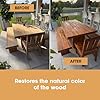


Furniture Clinic Teak Oil | Wood Oil Protects & Cleans Outdoor & Indoor Furniture, Boats, Shower Benches | Restore & Protect Wood, Prevent Drying & Other Damage | Natural Matte Finish | 17oz/500ml
10% Off
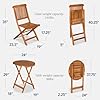


Best Choice Products 3-Piece Acacia Wood Bistro Set, Folding Patio Furniture for Backyard, Balcony, Deck w/ 2 Chairs, Round Coffee Table, Teak Finish - Natural
11% Off

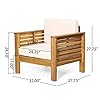


Christopher Knight Home Louver Club Chairs, Teak + Cream
$390.99 (as of March 7, 2026 02:26 GMT -05:00 - More infoProduct prices and availability are accurate as of the date/time indicated and are subject to change. Any price and availability information displayed on [relevant Amazon Site(s), as applicable] at the time of purchase will apply to the purchase of this product.)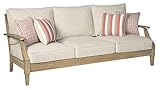




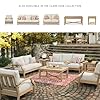
Signature Design by Ashley Clare View Outdoor Patio Sofa, 4 Throw Pillows, Nuvella Weather Resistant Fabric, Eucalyptus Wood, 81" W x 35" D x 32" H, Beige
$1,369.99 (as of March 7, 2026 02:26 GMT -05:00 - More infoProduct prices and availability are accurate as of the date/time indicated and are subject to change. Any price and availability information displayed on [relevant Amazon Site(s), as applicable] at the time of purchase will apply to the purchase of this product.)





Lokingrise 4-Piece Deep Seating Teak Wood Patio Furniture Set, Acacia Wood Outdoor Conversation Sofa Set with Cushioned Loveseat, Armchairs and Coffee Table for Garden, Deck, Backyard
$859.99 (as of March 7, 2026 02:26 GMT -05:00 - More infoProduct prices and availability are accurate as of the date/time indicated and are subject to change. Any price and availability information displayed on [relevant Amazon Site(s), as applicable] at the time of purchase will apply to the purchase of this product.)


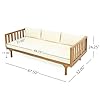
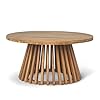
Merax Outdoor Acacia Wood Conversation Set, 3-Seat Loveseat Sofa w/Coushion and Round Coffee Table for Backyard, Patio Furniture, Teak+Beige
$519.99 (as of March 7, 2026 02:26 GMT -05:00 - More infoProduct prices and availability are accurate as of the date/time indicated and are subject to change. Any price and availability information displayed on [relevant Amazon Site(s), as applicable] at the time of purchase will apply to the purchase of this product.)![[3 PIECE SET] This patio conversation set includes: 2 patio lounge chairs and 1 patio side table. [PREMIUM TEAK WOOD] Sourced from sustainable forests, our patio conversation set is expertly crafted from high-quality teak wood, ensuring both durabili...](https://m.media-amazon.com/images/I/61RlGdGcaiL._SL160_.jpg)
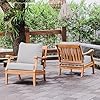

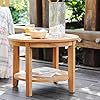


Cambridge Casual Robin Teak Wood 3 Piece Patio Conversation Set with Oyster Cushion
$994.70 (as of March 7, 2026 02:26 GMT -05:00 - More infoProduct prices and availability are accurate as of the date/time indicated and are subject to change. Any price and availability information displayed on [relevant Amazon Site(s), as applicable] at the time of purchase will apply to the purchase of this product.)




PURPLE LEAF 11 Pieces Patio Dining Set Wicker Outdoor Furniture Rectangular Table and Chairs Set for Garden Deck Teak-Finish Aluminum Frame Backyard Kitchen Set, Cushions and Pillows Included
$2,099.00 (as of March 7, 2026 02:26 GMT -05:00 - More infoProduct prices and availability are accurate as of the date/time indicated and are subject to change. Any price and availability information displayed on [relevant Amazon Site(s), as applicable] at the time of purchase will apply to the purchase of this product.)![[Versatile Outdoor Modular Sofa Set] This 6-piece acacia wood patio furniture set features a customizable L-shaped configuration with 3 armless chairs, 1 corner sofa, 1 ottoman, and 1 tea table – ideal for dynamic outdoor entertaining. The modular de...](https://m.media-amazon.com/images/I/51CUH9Yb9gL._SL160_.jpg)

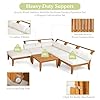


Merax 6 Pieces Patio Furniture Set, Outdoor L-Shaped Sectional Sofa Set with Coffee Table, Acacia Wood Conversation Seating & Cushions and Lumbar Pillows, for Garden, Poolside and Backyard, Teak+Beige
$899.99 (as of March 7, 2026 02:26 GMT -05:00 - More infoProduct prices and availability are accurate as of the date/time indicated and are subject to change. Any price and availability information displayed on [relevant Amazon Site(s), as applicable] at the time of purchase will apply to the purchase of this product.)
Now retrieving an image set.
Kromax 3 Pieces Patio Rattan Bistro Conversation Set, Outdoor All-Weather Wicker Furniture Chairs and Side Table Set Ideal for Balcony, Porch and Backyard, Black
$189.99 (as of March 6, 2026 17:36 GMT -05:00 - More infoProduct prices and availability are accurate as of the date/time indicated and are subject to change. Any price and availability information displayed on [relevant Amazon Site(s), as applicable] at the time of purchase will apply to the purchase of this product.)
Now retrieving an image set.
Greesum Patio Furniture 4 Pieces Conversation Sets Outdoor Wicker Rattan Chairs Garden Backyard Balcony Porch Poolside loveseat with Soft Cushion and Glass Table, Brown and Beige
$145.99 (as of March 6, 2026 17:36 GMT -05:00 - More infoProduct prices and availability are accurate as of the date/time indicated and are subject to change. Any price and availability information displayed on [relevant Amazon Site(s), as applicable] at the time of purchase will apply to the purchase of this product.)
Now retrieving an image set.
Aoxun Aluminum Patio Furniture Set 7 Seats, Oversized Outdoor Sectional with Washable Thick Cushions, Coffee Table and Waterproof Cover, Patio Conversation Sets for Porch, Balcony, Deck
$679.99 (as of March 6, 2026 17:36 GMT -05:00 - More infoProduct prices and availability are accurate as of the date/time indicated and are subject to change. Any price and availability information displayed on [relevant Amazon Site(s), as applicable] at the time of purchase will apply to the purchase of this product.)
Now retrieving an image set.
Bistro Table and Chairs Set of 2, 3 Piece Outdoor/Indoor Folding Patio Bistro Sets, 2 Chair Patio Furniture Set with Table, Premium Frame Foldable Coffee Tables for Balcony, Yard, Garden, Black
$62.75 (as of March 6, 2026 17:36 GMT -05:00 - More infoProduct prices and availability are accurate as of the date/time indicated and are subject to change. Any price and availability information displayed on [relevant Amazon Site(s), as applicable] at the time of purchase will apply to the purchase of this product.)
Now retrieving an image set.