Instant Answer: Teak wood is highly valued for furniture due to its exceptional durability and resistance to moisture, making it ideal for both indoor and outdoor use. Its natural oils protect against pests and decay, ensuring longevity. Additionally, teak wood has a beautiful grain and rich color that enhances the aesthetic appeal of any space. Overall, its combination of strength, beauty, and low maintenance makes teak wood a preferred choice for quality furniture.

The Benefits of Choosing Teak Wood for Furniture
Teak wood stands out as a premier choice for furniture, celebrated not only for its remarkable durability but also for its stunning aesthetic qualities. The rich, golden-brown hue and intricate grain patterns of teak add a touch of elegance to any room, while its natural oils provide an impressive defense against moisture and pests. This resilience makes teak equally suitable for outdoor settings, where it can withstand the elements without compromising its beauty. With minimal maintenance required, investing in teak furniture means enjoying both style and longevity, making it a wise choice for discerning homeowners.
Teak wood, renowned for its durability and aesthetic appeal, has been a favored choice for furniture makers and homeowners alike. Originating from the tropical forests of Southeast Asia, particularly Myanmar, Thailand, and India, teak is not just any wood; it is a premium hardwood that offers a multitude of benefits. In this article, we will explore the various advantages of choosing teak wood for your furniture, highlighting its unique properties, maintenance requirements, and environmental impact.
1. Exceptional Durability
One of the most significant benefits of teak wood is its remarkable durability. Teak contains natural oils and rubber that make it resistant to water, decay, and pests. This inherent resistance means that teak furniture can withstand harsh weather conditions, making it an ideal choice for outdoor settings. For example, a teak dining set left outside during the rainy season will not warp or rot like other woods might. Many homeowners have reported that their teak furniture has lasted for decades with minimal signs of wear.
2. Aesthetic Appeal
Teak wood is celebrated for its beautiful golden-brown color and fine grain. Over time, teak develops a rich patina that enhances its visual appeal. This natural aging process adds character to the furniture, making each piece unique. For instance, a teak coffee table can serve as a stunning centerpiece in a living room, drawing attention with its warm hues and elegant finish. Additionally, teak can be easily polished to maintain its luster or left untreated to develop a silvery-gray look that many find appealing.
3. Low Maintenance Requirements
Unlike other types of wood that require frequent sealing or painting, teak wood is relatively low maintenance. Its natural oils help protect it from moisture and UV rays, reducing the need for regular upkeep. A simple wipe down with a damp cloth is often sufficient to keep teak furniture looking pristine. For those who prefer to maintain the original color of their teak pieces, applying a specialized teak oil once or twice a year can help preserve its golden tones without extensive labor.
4. Eco-Friendly Choice
When sourced responsibly, teak wood can be an environmentally friendly option. Many manufacturers now offer sustainably harvested teak from certified plantations that practice responsible forestry. By choosing such products, consumers can enjoy the beauty and durability of teak while supporting sustainable practices. For example, organizations like the Forest Stewardship Council (FSC) certify teak plantations that adhere to strict environmental standards, ensuring that the forests are managed in a way that protects biodiversity and local communities.
5. Versatility in Design
Teak wood‘s versatility makes it suitable for various furniture styles, from traditional to modern. Whether you are looking for a rustic farmhouse dining table or sleek contemporary chairs, teak can be crafted into virtually any design. Its workability allows artisans to create intricate carvings or simple lines, catering to diverse aesthetic preferences. For instance, a minimalist teak bench can complement a modern patio, while an ornate teak armoire can enhance the charm of a vintage-inspired bedroom.
6. Resistance to Warping and Cracking
Teak’s natural oils not only provide water resistance but also contribute to its stability. Unlike softer woods that may warp or crack due to changes in humidity and temperature, teak maintains its shape over time. This quality is particularly beneficial in regions with fluctuating climates. Homeowners in coastal areas often choose teak for their outdoor furniture because it can endure salty air without deteriorating. A teak lounge chair by the beach can remain intact and comfortable season after season.
7. Investment Value
Investing in teak furniture can be financially wise due to its longevity and timeless appeal. While the initial cost may be higher than other materials, the durability of teak means that it often outlasts cheaper alternatives. Many people find that their teak furniture retains its value over time, making it a worthwhile investment for future resale or heirloom purposes. For example, a well-maintained teak dining set can become a cherished family piece passed down through generations.
8. Health Benefits
Teak wood is also known for its hypoallergenic properties. Unlike some other materials that may harbor dust mites or allergens, teak is less likely to contribute to respiratory issues or allergies. This makes it an excellent choice for households with children or individuals sensitive to allergens. Additionally, the smooth surface of well-finished teak furniture minimizes the risk of splinters or injuries, providing a safe environment for families.
9. Easy to Customize
Another advantage of teak wood is its ease of customization. Whether you want to stain it a different color or apply a protective finish, teak adapts well to various treatments without compromising its integrity. This flexibility allows homeowners to personalize their furniture according to their tastes and home decor styles. For example, a homeowner might choose to stain their teak bookshelf in a darker hue to match their existing furniture while still benefiting from the wood’s durability.
10. Conclusion
Choosing teak wood for your furniture comes with numerous benefits that extend beyond mere aesthetics. Its exceptional durability, low maintenance requirements, and eco-friendly sourcing make it an ideal choice for both indoor and outdoor settings. With its timeless beauty and versatility in design, teak furniture can enhance any space while providing long-lasting value. As you consider options for your home or outdoor area, remember that investing in teak is not just about acquiring furniture; it’s about embracing quality craftsmanship and sustainable living.
Other Questions People Ask
What are the benefits of using teak wood for furniture?
Teak wood is renowned for its durability and resistance to water, making it an excellent choice for both indoor and outdoor furniture. Its natural oils help protect it from pests and decay, ensuring longevity. Additionally, teak has a beautiful golden-brown color that deepens over time, adding aesthetic value to any space.
How does teak wood compare to other hardwoods?
Teak wood stands out among hardwoods due to its exceptional weather resistance and strength. Unlike many other hardwoods, teak contains natural oils that prevent warping and cracking, making it ideal for outdoor use. Furthermore, its fine grain and rich color provide a luxurious appearance that is often sought after in high-end furniture.
Is teak wood environmentally sustainable?
The sustainability of teak wood largely depends on its source. Teak harvested from responsibly managed plantations can be considered sustainable, as these practices ensure the preservation of forests and ecosystems. However, teak from illegal logging or unsustainable sources can contribute to deforestation and environmental degradation, so it’s essential to verify the origin before purchasing.
How should teak wood be maintained?
Maintaining teak wood involves regular cleaning and occasional oiling to preserve its natural beauty. It’s recommended to clean it with mild soap and water to remove dirt and grime. Applying a specialized teak oil every few months can help maintain its color and protect it from the elements, especially for outdoor furniture.
What is a smart first step for The Benefits of Choosing Teak Wood for Furniture?
Start with one specific, repeatable action tied to The Benefits of Choosing Teak Wood for Furniture. Keep it small enough to do on busy days. Track it for a week and refine based on what sticks. Stay focused on simple, controllable steps. Review weekly to maintain momentum.
What mistakes should I avoid with The Benefits of Choosing Teak Wood for Furniture?
Avoid changing too much at once when working on The Benefits of Choosing Teak Wood for Furniture. Keep the plan simple and consistent. Build guardrails for common obstacles so progress continues. Stay focused on simple, controllable steps. Review weekly to maintain momentum.
How can I measure progress with The Benefits of Choosing Teak Wood for Furniture?
Choose one metric that reflects real movement for The Benefits of Choosing Teak Wood for Furniture. Review it weekly and adjust inputs rather than the goal. Document wins to reinforce momentum. Stay focused on simple, controllable steps. Review weekly to maintain momentum.


Christopher Knight Home Esme Outdoor Acacia Wood Bench, Teak Finish
27% Off


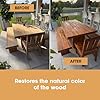


Furniture Clinic Teak Oil | Wood Oil Protects & Cleans Outdoor & Indoor Furniture, Boats, Shower Benches | Restore & Protect Wood, Prevent Drying & Other Damage | Natural Matte Finish | 17oz/500ml
10% Off
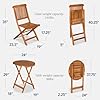


Best Choice Products 3-Piece Acacia Wood Bistro Set, Folding Patio Furniture for Backyard, Balcony, Deck w/ 2 Chairs, Round Coffee Table, Teak Finish - Natural
11% Off

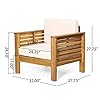


Christopher Knight Home Louver Club Chairs, Teak + Cream
$390.99 (as of March 7, 2026 02:26 GMT -05:00 - More infoProduct prices and availability are accurate as of the date/time indicated and are subject to change. Any price and availability information displayed on [relevant Amazon Site(s), as applicable] at the time of purchase will apply to the purchase of this product.)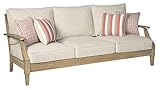


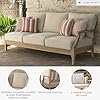
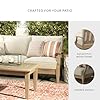
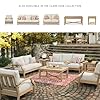
Signature Design by Ashley Clare View Outdoor Patio Sofa, 4 Throw Pillows, Nuvella Weather Resistant Fabric, Eucalyptus Wood, 81" W x 35" D x 32" H, Beige
$1,369.99 (as of March 7, 2026 02:26 GMT -05:00 - More infoProduct prices and availability are accurate as of the date/time indicated and are subject to change. Any price and availability information displayed on [relevant Amazon Site(s), as applicable] at the time of purchase will apply to the purchase of this product.)





Lokingrise 4-Piece Deep Seating Teak Wood Patio Furniture Set, Acacia Wood Outdoor Conversation Sofa Set with Cushioned Loveseat, Armchairs and Coffee Table for Garden, Deck, Backyard
$859.99 (as of March 7, 2026 02:26 GMT -05:00 - More infoProduct prices and availability are accurate as of the date/time indicated and are subject to change. Any price and availability information displayed on [relevant Amazon Site(s), as applicable] at the time of purchase will apply to the purchase of this product.)
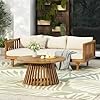
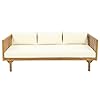

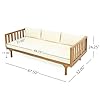
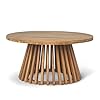
Merax Outdoor Acacia Wood Conversation Set, 3-Seat Loveseat Sofa w/Coushion and Round Coffee Table for Backyard, Patio Furniture, Teak+Beige
$519.99 (as of March 7, 2026 02:26 GMT -05:00 - More infoProduct prices and availability are accurate as of the date/time indicated and are subject to change. Any price and availability information displayed on [relevant Amazon Site(s), as applicable] at the time of purchase will apply to the purchase of this product.)![[3 PIECE SET] This patio conversation set includes: 2 patio lounge chairs and 1 patio side table. [PREMIUM TEAK WOOD] Sourced from sustainable forests, our patio conversation set is expertly crafted from high-quality teak wood, ensuring both durabili...](https://m.media-amazon.com/images/I/61RlGdGcaiL._SL160_.jpg)
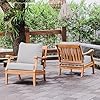



Cambridge Casual Robin Teak Wood 3 Piece Patio Conversation Set with Oyster Cushion
$994.70 (as of March 7, 2026 02:26 GMT -05:00 - More infoProduct prices and availability are accurate as of the date/time indicated and are subject to change. Any price and availability information displayed on [relevant Amazon Site(s), as applicable] at the time of purchase will apply to the purchase of this product.)



PURPLE LEAF 11 Pieces Patio Dining Set Wicker Outdoor Furniture Rectangular Table and Chairs Set for Garden Deck Teak-Finish Aluminum Frame Backyard Kitchen Set, Cushions and Pillows Included
$2,099.00 (as of March 7, 2026 02:26 GMT -05:00 - More infoProduct prices and availability are accurate as of the date/time indicated and are subject to change. Any price and availability information displayed on [relevant Amazon Site(s), as applicable] at the time of purchase will apply to the purchase of this product.)![[Versatile Outdoor Modular Sofa Set] This 6-piece acacia wood patio furniture set features a customizable L-shaped configuration with 3 armless chairs, 1 corner sofa, 1 ottoman, and 1 tea table – ideal for dynamic outdoor entertaining. The modular de...](https://m.media-amazon.com/images/I/51CUH9Yb9gL._SL160_.jpg)
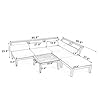

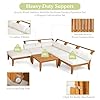


Merax 6 Pieces Patio Furniture Set, Outdoor L-Shaped Sectional Sofa Set with Coffee Table, Acacia Wood Conversation Seating & Cushions and Lumbar Pillows, for Garden, Poolside and Backyard, Teak+Beige
$899.99 (as of March 7, 2026 02:26 GMT -05:00 - More infoProduct prices and availability are accurate as of the date/time indicated and are subject to change. Any price and availability information displayed on [relevant Amazon Site(s), as applicable] at the time of purchase will apply to the purchase of this product.)
Now retrieving an image set.
Qsun 3 Pieces Outdoor Patio Furniture Set Rocking Bistro Set Outdoor Rattan Conversation with Coffee Table for Garden Balcony Backyard Poolside (Grey Cushion)
$69.98 (as of March 6, 2026 17:36 GMT -05:00 - More infoProduct prices and availability are accurate as of the date/time indicated and are subject to change. Any price and availability information displayed on [relevant Amazon Site(s), as applicable] at the time of purchase will apply to the purchase of this product.)
Now retrieving an image set.
FDW Wicker Outdoor Furniture Patio Furniture Set of 3 Rattan Patio Chairs Outdoor Chairs Patio Conversation Set with Coffee Table for Yard Backyard Lawn Porch Poolside Balcony,Black
$79.99 (as of March 6, 2026 17:36 GMT -05:00 - More infoProduct prices and availability are accurate as of the date/time indicated and are subject to change. Any price and availability information displayed on [relevant Amazon Site(s), as applicable] at the time of purchase will apply to the purchase of this product.)
Now retrieving an image set.
Vongrasig 3 Piece Outdoor Rocking Bistro Set, Textilene Fabric Small Patio Furniture Set, Front Porch Rocker Chairs Conversation Set with Glass Table for Lawn, Garden, Balcony, Poolside (Light Gray)
$109.98 (as of March 6, 2026 17:36 GMT -05:00 - More infoProduct prices and availability are accurate as of the date/time indicated and are subject to change. Any price and availability information displayed on [relevant Amazon Site(s), as applicable] at the time of purchase will apply to the purchase of this product.)
Now retrieving an image set.
Shintenchi 3 Pieces Patio Bistro Sets, Outdoor Textilene Fabric Conversation Bistro Set, Textilene Fabric Front Porch Chairs Small Patio Furniture Set with Table for Lawn,Garden,Balcony (Black)
$84.46 (as of March 6, 2026 17:36 GMT -05:00 - More infoProduct prices and availability are accurate as of the date/time indicated and are subject to change. Any price and availability information displayed on [relevant Amazon Site(s), as applicable] at the time of purchase will apply to the purchase of this product.)
Now retrieving an image set.