Key Takeaway: Beginner teak care typically involves basic cleaning and occasional oiling to maintain the wood’s appearance and protect it from moisture. Advanced teak care includes deeper maintenance practices such as sanding, applying specialized sealants, and using UV protectants to prevent fading and weathering. Additionally, advanced care often involves understanding the wood’s natural aging process and making adjustments based on environmental conditions. This level of care ensures the longevity and beauty of teak furniture or decking.

Table of Contents
- A Simple, Repeatable Plan for Teaking a Furniture
- Understanding Teak Wood
- Preparation: Gathering Your Supplies
- Step 1: Cleaning the Teak Furniture
- Step 2: Sanding the Surface
- Step 3: Applying Teak Oil or Sealer
- Step 4: Regular Maintenance
- Conclusion
- Related Questions
- What advantages does teak furniture offer?
- How do you care for teak furniture?
- Is teak furniture worth the investment?
- Is it suitable to use teak furniture outside?
A Simple, Repeatable Plan for Teaking a Furniture
Teak furniture, renowned for its rich color and durability, requires a thoughtful approach to maintenance that can enhance its natural beauty over time. While basic cleaning and occasional oiling can keep your pieces looking fresh, delving into advanced care techniques can truly elevate their longevity and aesthetic appeal. Understanding the wood’s unique aging process allows you to tailor your maintenance routine, ensuring that your teak remains resilient against moisture and UV damage. By investing time in deeper care practices like sanding and applying specialized sealants, you not only preserve the furniture’s integrity but also celebrate the exquisite craftsmanship that makes teak a timeless choice for any space.
Understanding Teak Wood
Teak wood, scientifically known as Tectona grandis, is renowned for its strength, durability, and resistance to the elements. Originating from Southeast Asia, particularly Myanmar, teak has been used for centuries in shipbuilding and outdoor furniture due to its high oil content. This oil not only protects the wood from moisture but also gives it a beautiful golden hue. Over time, however, exposure to sunlight and weather can cause teak to fade to a silvery-gray patina. Understanding these characteristics is essential for effective maintenance.
Preparation: Gathering Your Supplies
Before you begin the teak treatment process, gather the necessary supplies. Here’s a list of what you will need:
- Soft-bristle brush: Ideal for removing dirt without scratching the surface.
- Teak cleaner: A specialized product designed to remove grime and restore color.
- Sandpaper: Use 120-grit sandpaper for smoothing rough areas.
- Teak oil or sealer: Choose a high-quality product to protect the wood.
- Protective gloves: To keep your hands safe from chemicals.
- Rags or cloths: For applying oil and cleaning up spills.
- Water hose or bucket: For rinsing off the furniture.
Step 1: Cleaning the Teak Furniture
The first step in maintaining your teak furniture is thorough cleaning. Begin by removing any loose dirt and debris using a soft-bristle brush. This will help prevent scratching the surface during the cleaning process. Next, apply a teak cleaner according to the manufacturer’s instructions. For example, if you are using a concentrated teak cleaner, dilute it with water as directed.
Once mixed, apply the cleaner generously with a sponge or cloth, working it into the wood grain. Allow it to sit for about 10-15 minutes to break down any built-up grime. Afterward, scrub the surface gently with your soft-bristle brush to lift away dirt and stains. Rinse thoroughly with clean water using a hose or bucket to remove all traces of the cleaner.
Step 2: Sanding the Surface
After cleaning, inspect your teak furniture for any rough spots or scratches. If you notice any imperfections, lightly sand these areas using 120-grit sandpaper. Sanding not only smooths out rough patches but also opens up the wood grain, allowing better absorption of oils or sealers later on.
Be sure to sand in the direction of the grain to avoid damaging the wood. After sanding, wipe down the furniture with a damp cloth to remove any dust particles created during the process. Allow it to dry completely before moving on to the next step.
Step 3: Applying Teak Oil or Sealer
Once your furniture is clean and dry, it’s time to apply teak oil or sealer. Teak oil enhances the natural beauty of the wood while providing protection against moisture and UV rays. If you prefer a more durable finish, consider using a teak sealer that offers longer-lasting protection.
Using a clean rag or cloth, apply the oil generously in even strokes along the grain of the wood. For example, if you are treating a teak dining table, start from one end and work your way across to ensure even coverage. Allow the oil to soak in for about 15-30 minutes before wiping off any excess with a clean cloth. This step is crucial as it prevents sticky residue from forming on the surface.
Step 4: Regular Maintenance
To keep your teak furniture looking its best, regular maintenance is essential. Here are some tips for ongoing care:
- Clean regularly: Dust and clean your teak furniture every few weeks to prevent dirt buildup.
- Avoid harsh chemicals: Steer clear of bleach or ammonia-based cleaners that can damage the wood.
- Reapply oil or sealer: Depending on exposure to sunlight and weather conditions, reapply teak oil every 6-12 months.
- Store indoors during winter: If possible, store your teak furniture indoors during harsh winter months to prolong its lifespan.
Conclusion
Teaking your furniture is a straightforward process that can significantly enhance its appearance and longevity. By following this simple plan—cleaning, sanding, applying oil or sealer, and maintaining regularly—you can ensure that your teak pieces remain stunning and functional for years to come. Whether you have a beautiful teak patio set or an elegant indoor table, proper care will preserve its natural beauty and durability.
Remember that each piece of teak furniture may require slightly different care depending on its age and exposure to elements. Always observe how your furniture responds after treatment and adjust your maintenance routine accordingly. With dedication and care, your teak furniture will continue to be a cherished part of your home.
Related Questions
What advantages does teak furniture offer?
Teak furniture is renowned for its durability and resistance to weather conditions, making it ideal for both indoor and outdoor use. Its natural oils protect it from moisture, insects, and decay, ensuring a long lifespan. Additionally, teak has a beautiful golden-brown color that deepens over time, adding aesthetic value to any space. Its strength and stability also make it less prone to warping or cracking compared to other woods.
How do you care for teak furniture?
Caring for teak furniture involves regular cleaning and occasional oiling to maintain its rich color and prevent drying. Use a soft cloth and mild soap solution to clean the surface, avoiding harsh chemicals that can damage the wood. If the furniture starts to gray, applying a teak oil can restore its original hue. Additionally, storing teak furniture in a dry place during harsh weather can prolong its life.
Is teak furniture worth the investment?
Teak furniture is often considered worth the investment due to its exceptional durability and timeless appeal. While it may come with a higher price tag than other types of wood, its longevity and low maintenance needs can lead to cost savings over time. Furthermore, teak’s classic look enhances the value of any home or garden setting, making it a desirable choice for many homeowners.
Is it suitable to use teak furniture outside?
Yes, teak furniture is highly suitable for outdoor use due to its natural resistance to moisture and pests. The wood’s oils help protect it from the elements, allowing it to withstand rain and sun exposure without significant damage. However, regular maintenance, such as cleaning and oiling, can help preserve its appearance and extend its lifespan outdoors. Many people choose teak for patios and gardens for these reasons.


Christopher Knight Home Esme Outdoor Acacia Wood Bench, Teak Finish
27% Off





Furniture Clinic Teak Oil | Wood Oil Protects & Cleans Outdoor & Indoor Furniture, Boats, Shower Benches | Restore & Protect Wood, Prevent Drying & Other Damage | Natural Matte Finish | 17oz/500ml
10% Off
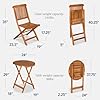


Best Choice Products 3-Piece Acacia Wood Bistro Set, Folding Patio Furniture for Backyard, Balcony, Deck w/ 2 Chairs, Round Coffee Table, Teak Finish - Natural
11% Off

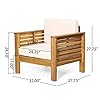


Christopher Knight Home Louver Club Chairs, Teak + Cream
$390.99 (as of March 6, 2026 02:24 GMT -05:00 - More infoProduct prices and availability are accurate as of the date/time indicated and are subject to change. Any price and availability information displayed on [relevant Amazon Site(s), as applicable] at the time of purchase will apply to the purchase of this product.)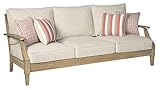





Signature Design by Ashley Clare View Outdoor Patio Sofa, 4 Throw Pillows, Nuvella Weather Resistant Fabric, Eucalyptus Wood, 81" W x 35" D x 32" H, Beige
$1,369.99 (as of March 6, 2026 02:24 GMT -05:00 - More infoProduct prices and availability are accurate as of the date/time indicated and are subject to change. Any price and availability information displayed on [relevant Amazon Site(s), as applicable] at the time of purchase will apply to the purchase of this product.)





Lokingrise 4-Piece Deep Seating Teak Wood Patio Furniture Set, Acacia Wood Outdoor Conversation Sofa Set with Cushioned Loveseat, Armchairs and Coffee Table for Garden, Deck, Backyard
$859.99 (as of March 6, 2026 02:24 GMT -05:00 - More infoProduct prices and availability are accurate as of the date/time indicated and are subject to change. Any price and availability information displayed on [relevant Amazon Site(s), as applicable] at the time of purchase will apply to the purchase of this product.)


Merax Outdoor Acacia Wood Conversation Set, 3-Seat Loveseat Sofa w/Coushion and Round Coffee Table for Backyard, Patio Furniture, Teak+Beige
$519.99 (as of March 6, 2026 02:24 GMT -05:00 - More infoProduct prices and availability are accurate as of the date/time indicated and are subject to change. Any price and availability information displayed on [relevant Amazon Site(s), as applicable] at the time of purchase will apply to the purchase of this product.)



Cambridge Casual Robin Teak Wood 3 Piece Patio Conversation Set with Oyster Cushion
$994.70 (as of March 6, 2026 02:24 GMT -05:00 - More infoProduct prices and availability are accurate as of the date/time indicated and are subject to change. Any price and availability information displayed on [relevant Amazon Site(s), as applicable] at the time of purchase will apply to the purchase of this product.)





PURPLE LEAF 11 Pieces Patio Dining Set Wicker Outdoor Furniture Rectangular Table and Chairs Set for Garden Deck Teak-Finish Aluminum Frame Backyard Kitchen Set, Cushions and Pillows Included
$2,099.00 (as of March 6, 2026 02:24 GMT -05:00 - More infoProduct prices and availability are accurate as of the date/time indicated and are subject to change. Any price and availability information displayed on [relevant Amazon Site(s), as applicable] at the time of purchase will apply to the purchase of this product.)



Merax 6 Pieces Patio Furniture Set, Outdoor L-Shaped Sectional Sofa Set with Coffee Table, Acacia Wood Conversation Seating & Cushions and Lumbar Pillows, for Garden, Poolside and Backyard, Teak+Beige
$899.99 (as of March 6, 2026 02:24 GMT -05:00 - More infoProduct prices and availability are accurate as of the date/time indicated and are subject to change. Any price and availability information displayed on [relevant Amazon Site(s), as applicable] at the time of purchase will apply to the purchase of this product.)
Now retrieving an image set.
Vongrasig 3 Piece Outdoor Rocking Bistro Set, Textilene Fabric Small Patio Furniture Set, Front Porch Rocker Chairs Conversation Set with Glass Table for Lawn, Garden, Balcony, Poolside (Light Gray)
$109.98 (as of March 6, 2026 17:36 GMT -05:00 - More infoProduct prices and availability are accurate as of the date/time indicated and are subject to change. Any price and availability information displayed on [relevant Amazon Site(s), as applicable] at the time of purchase will apply to the purchase of this product.)
Now retrieving an image set.
SERWALL 7-Piece Patio Dining Table Sets, Outdoor HDPE Dining Furniture Set with Umbrella Hole Cut-Out Table and 6 Chairs, Black
$557.69 (as of March 6, 2026 17:36 GMT -05:00 - More infoProduct prices and availability are accurate as of the date/time indicated and are subject to change. Any price and availability information displayed on [relevant Amazon Site(s), as applicable] at the time of purchase will apply to the purchase of this product.)
Now retrieving an image set.
Kromax 3 Pieces Patio Rattan Bistro Conversation Set, Outdoor All-Weather Wicker Furniture Chairs and Side Table Set Ideal for Balcony, Porch and Backyard, Black
$189.99 (as of March 6, 2026 17:36 GMT -05:00 - More infoProduct prices and availability are accurate as of the date/time indicated and are subject to change. Any price and availability information displayed on [relevant Amazon Site(s), as applicable] at the time of purchase will apply to the purchase of this product.)
Now retrieving an image set.
Greesum 3 Pieces Patio Furniture Sets Outdoor PE Rattan Wicker Chairs with Soft Cushion and Glass Coffee Table for Garden Backyard Porch Poolside, Brown and Beige
$99.93 (as of March 6, 2026 17:36 GMT -05:00 - More infoProduct prices and availability are accurate as of the date/time indicated and are subject to change. Any price and availability information displayed on [relevant Amazon Site(s), as applicable] at the time of purchase will apply to the purchase of this product.)
Now retrieving an image set.
LEVELEVE Balcony Furniture 5 Piece Patio Conversation Set, PE Wicker Rattan Outdoor Lounge Chairs with Soft Cushions 2 Ottoman&Glass Table for Porch, Lawn-Brown Wicker
$149.99 (as of March 6, 2026 17:36 GMT -05:00 - More infoProduct prices and availability are accurate as of the date/time indicated and are subject to change. Any price and availability information displayed on [relevant Amazon Site(s), as applicable] at the time of purchase will apply to the purchase of this product.)