Bottom Line: The timeline for weathering teak furniture naturally can vary based on environmental conditions, but typically, it takes about 6 to 12 months for the wood to begin showing signs of weathering. Initially, the rich golden-brown color of teak will fade to a silver-gray patina as it ages. This process is influenced by factors such as sunlight exposure, humidity, and temperature. Regular maintenance can slow down this natural weathering, but many people appreciate the aesthetic change over time.

Table of Contents
Understanding the Natural Weathering Timeline of Teak Patio Furniture
Teak patio furniture is renowned for its durability and timeless beauty, but its journey through the elements is a fascinating one. As it weathers, the vibrant golden-brown hue gradually transforms into a distinguished silver-gray patina, a testament to its resilience against the forces of nature. This natural aging process typically unfolds over six to twelve months, influenced by the interplay of sunlight, humidity, and temperature. While some may prefer to maintain the original luster of their teak, others embrace the evolving character that comes with age, celebrating the unique story each piece tells as it gracefully adapts to its surroundings. Understanding this timeline not only enhances appreciation for teak's aesthetic evolution but also informs how best to care for these exquisite outdoor furnishings.
Teak patio furniture is renowned for its durability, elegance, and resistance to the elements. However, like all natural materials, teak undergoes a weathering process that can significantly alter its appearance and performance over time. Understanding this natural weathering timeline is crucial for maintaining the beauty and longevity of your teak furniture. In this article, we will explore the stages of weathering, the factors that influence this process, and practical steps you can take to care for your teak patio furniture.
The Stages of Weathering Teak Furniture
The weathering of teak furniture can be divided into several distinct stages, each characterized by specific changes in color, texture, and overall appearance.
- Initial Stage (0-6 Months): When new, teak furniture boasts a rich golden-brown hue that is highly sought after. This stage is marked by the presence of natural oils that protect the wood from moisture and UV damage. During this period, it is essential to keep the furniture clean and dry to maintain its luster.
- Early Weathering Stage (6 Months – 1 Year): As time progresses, the natural oils begin to diminish due to exposure to sunlight and rain. The color starts to fade from its vibrant golden tone to a more muted shade of brown. This change is normal and indicates that the wood is beginning to adapt to its outdoor environment.
- Mid Weathering Stage (1-3 Years): At this point, teak furniture will have transitioned to a silvery-gray patina. This transformation occurs as the wood continues to lose its natural oils and undergoes oxidation. While some may view this change as a loss of beauty, others appreciate the rustic charm of weathered teak.
- Advanced Weathering Stage (3+ Years): After several years of exposure, the wood may become more porous and susceptible to environmental factors. However, with proper care, it can still retain its structural integrity. The silvery-gray color may deepen, and small cracks may appear in the surface, but these are typically cosmetic and do not affect the durability of the furniture.
Factors Influencing Weathering
Several factors can influence the rate at which teak furniture weathers. Understanding these factors can help you take proactive measures to protect your investment.
- Climate: The geographical location plays a significant role in how quickly teak furniture weathers. For instance, areas with high humidity and frequent rainfall may accelerate the weathering process compared to drier climates. In coastal regions, salt from the ocean can also contribute to faster degradation.
- Sun Exposure: Direct sunlight can hasten the fading of color in teak furniture. If your patio receives full sun for most of the day, consider using umbrellas or covers when the furniture is not in use to minimize UV exposure.
- Maintenance Practices: Regular cleaning and maintenance can significantly impact how your teak furniture weathers. Neglecting to clean off dirt, debris, and moisture can lead to mold growth and other issues that may compromise the wood’s integrity.
- Quality of Teak: The quality of the teak wood itself also matters. High-quality, sustainably sourced teak tends to weather more gracefully than lower-grade alternatives. Look for furniture made from Grade A teak, which is known for its superior durability and resistance to weathering.
Practical Steps for Maintaining Teak Patio Furniture
To ensure your teak patio furniture remains beautiful and functional throughout its lifespan, consider implementing the following maintenance practices:
- Regular Cleaning: Clean your teak furniture every few months using a soft brush or cloth and mild soap mixed with water. Avoid harsh chemicals that could strip away natural oils. Rinse thoroughly with clean water and allow it to dry completely before covering or storing it.
- Oiling: If you prefer to maintain the original golden-brown color of your teak furniture, consider applying a specialized teak oil every 6-12 months. This oil replenishes lost natural oils and helps protect against UV damage. Be sure to follow the manufacturer’s instructions for application.
- Covers: Invest in high-quality outdoor furniture covers to shield your teak from rain, snow, and intense sunlight when not in use. This simple step can significantly prolong its lifespan and maintain its appearance.
- Storage: During extreme weather conditions or off-seasons, store your teak furniture indoors or in a sheltered area. This practice helps prevent unnecessary exposure to harsh elements that can accelerate weathering.
- Repairing Damage: If you notice any cracks or scratches on your teak furniture, address them promptly. Lightly sand down rough areas and apply a suitable finish or oil to restore its appearance. For deeper damage, consider consulting a professional for repairs.
The Benefits of Weathered Teak
While many people strive to maintain the original color of their teak furniture, it’s essential to recognize that weathered teak has its own unique charm and benefits:
- Aesthetic Appeal: The silvery-gray patina that develops over time gives weathered teak a distinctive look that many find appealing. It can complement various outdoor styles, from rustic to modern.
- Durability: Weathered teak is often more resilient against environmental stressors due to its natural aging process. The wood becomes denser over time, making it less susceptible to warping or cracking.
- Low Maintenance: Once teak has weathered, it requires less maintenance compared to new wood. The need for frequent oiling diminishes as the wood stabilizes in its new state.
Conclusion
Understanding the natural weathering timeline of teak patio furniture is essential for any homeowner looking to invest in quality outdoor furnishings. By recognizing the stages of weathering and implementing proper maintenance practices, you can ensure that your teak furniture remains both functional and visually appealing for years to come. Whether you choose to embrace the beauty of weathered teak or maintain its original hue, your investment will undoubtedly enhance your outdoor living space.
Other Questions People Ask


Christopher Knight Home Esme Outdoor Acacia Wood Bench, Teak Finish
27% Off


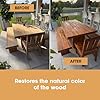


Furniture Clinic Teak Oil | Wood Oil Protects & Cleans Outdoor & Indoor Furniture, Boats, Shower Benches | Restore & Protect Wood, Prevent Drying & Other Damage | Natural Matte Finish | 17oz/500ml
10% Off
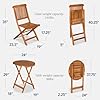


Best Choice Products 3-Piece Acacia Wood Bistro Set, Folding Patio Furniture for Backyard, Balcony, Deck w/ 2 Chairs, Round Coffee Table, Teak Finish - Natural
11% Off

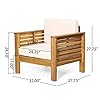


Christopher Knight Home Louver Club Chairs, Teak + Cream
$390.99 (as of March 6, 2026 02:24 GMT -05:00 - More infoProduct prices and availability are accurate as of the date/time indicated and are subject to change. Any price and availability information displayed on [relevant Amazon Site(s), as applicable] at the time of purchase will apply to the purchase of this product.)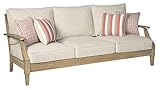





Signature Design by Ashley Clare View Outdoor Patio Sofa, 4 Throw Pillows, Nuvella Weather Resistant Fabric, Eucalyptus Wood, 81" W x 35" D x 32" H, Beige
$1,369.99 (as of March 6, 2026 02:24 GMT -05:00 - More infoProduct prices and availability are accurate as of the date/time indicated and are subject to change. Any price and availability information displayed on [relevant Amazon Site(s), as applicable] at the time of purchase will apply to the purchase of this product.)





Lokingrise 4-Piece Deep Seating Teak Wood Patio Furniture Set, Acacia Wood Outdoor Conversation Sofa Set with Cushioned Loveseat, Armchairs and Coffee Table for Garden, Deck, Backyard
$859.99 (as of March 6, 2026 02:24 GMT -05:00 - More infoProduct prices and availability are accurate as of the date/time indicated and are subject to change. Any price and availability information displayed on [relevant Amazon Site(s), as applicable] at the time of purchase will apply to the purchase of this product.)


Merax Outdoor Acacia Wood Conversation Set, 3-Seat Loveseat Sofa w/Coushion and Round Coffee Table for Backyard, Patio Furniture, Teak+Beige
$519.99 (as of March 6, 2026 02:24 GMT -05:00 - More infoProduct prices and availability are accurate as of the date/time indicated and are subject to change. Any price and availability information displayed on [relevant Amazon Site(s), as applicable] at the time of purchase will apply to the purchase of this product.)![[3 PIECE SET] This patio conversation set includes: 2 patio lounge chairs and 1 patio side table. [PREMIUM TEAK WOOD] Sourced from sustainable forests, our patio conversation set is expertly crafted from high-quality teak wood, ensuring both durabili...](https://m.media-amazon.com/images/I/61RlGdGcaiL._SL160_.jpg)
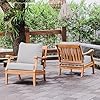



Cambridge Casual Robin Teak Wood 3 Piece Patio Conversation Set with Oyster Cushion
$994.70 (as of March 6, 2026 02:24 GMT -05:00 - More infoProduct prices and availability are accurate as of the date/time indicated and are subject to change. Any price and availability information displayed on [relevant Amazon Site(s), as applicable] at the time of purchase will apply to the purchase of this product.)





PURPLE LEAF 11 Pieces Patio Dining Set Wicker Outdoor Furniture Rectangular Table and Chairs Set for Garden Deck Teak-Finish Aluminum Frame Backyard Kitchen Set, Cushions and Pillows Included
$2,099.00 (as of March 6, 2026 02:24 GMT -05:00 - More infoProduct prices and availability are accurate as of the date/time indicated and are subject to change. Any price and availability information displayed on [relevant Amazon Site(s), as applicable] at the time of purchase will apply to the purchase of this product.)![[Versatile Outdoor Modular Sofa Set] This 6-piece acacia wood patio furniture set features a customizable L-shaped configuration with 3 armless chairs, 1 corner sofa, 1 ottoman, and 1 tea table – ideal for dynamic outdoor entertaining. The modular de...](https://m.media-amazon.com/images/I/51CUH9Yb9gL._SL160_.jpg)
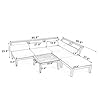




Merax 6 Pieces Patio Furniture Set, Outdoor L-Shaped Sectional Sofa Set with Coffee Table, Acacia Wood Conversation Seating & Cushions and Lumbar Pillows, for Garden, Poolside and Backyard, Teak+Beige
$899.99 (as of March 6, 2026 02:24 GMT -05:00 - More infoProduct prices and availability are accurate as of the date/time indicated and are subject to change. Any price and availability information displayed on [relevant Amazon Site(s), as applicable] at the time of purchase will apply to the purchase of this product.)
Now retrieving an image set.
Flamaker 3 Pieces Outdoor Patio Wicker Furniture Set, Modern Rattan Chair Conversation Sets with Coffee Table for Yard and Bistro (Black)
$89.99 (as of March 4, 2026 17:21 GMT -05:00 - More infoProduct prices and availability are accurate as of the date/time indicated and are subject to change. Any price and availability information displayed on [relevant Amazon Site(s), as applicable] at the time of purchase will apply to the purchase of this product.)
Now retrieving an image set.
Shintenchi 4 Pieces Patio Furniture Set All Weather Textile Fabric Outdoor Conversation Set, with Glass Coffee Table, Loveseat, 2 Single Chairs for Home, Garden, Lawn, Porch(Gray)
$109.98 (as of March 4, 2026 17:21 GMT -05:00 - More infoProduct prices and availability are accurate as of the date/time indicated and are subject to change. Any price and availability information displayed on [relevant Amazon Site(s), as applicable] at the time of purchase will apply to the purchase of this product.)
Now retrieving an image set.
KROFEM 8-Piece Patio Furniture Set, Outdoor Wicker Rattan Sectional with Thick Cushions, Glass Top Table with Hidden Storage, Outdoor Conversation Set for Backyard, Porch, Patio, Black
$599.99 (as of March 4, 2026 17:21 GMT -05:00 - More infoProduct prices and availability are accurate as of the date/time indicated and are subject to change. Any price and availability information displayed on [relevant Amazon Site(s), as applicable] at the time of purchase will apply to the purchase of this product.)
Now retrieving an image set.
Vongrasig 3 Piece Outdoor Rocking Bistro Set, Textilene Fabric Small Patio Furniture Set, Front Porch Rocker Chairs Conversation Set with Glass Table for Lawn, Garden, Balcony, Poolside (Light Gray)
$109.98 (as of March 4, 2026 17:21 GMT -05:00 - More infoProduct prices and availability are accurate as of the date/time indicated and are subject to change. Any price and availability information displayed on [relevant Amazon Site(s), as applicable] at the time of purchase will apply to the purchase of this product.)
Now retrieving an image set.