Instant Answer: A teak wood maintenance checklist should include regular cleaning with a soft brush and mild soap to remove dirt and debris, and periodic application of teak oil or sealant to preserve its natural oils and prevent drying. Inspect for signs of weathering, such as cracks or fading, and sand lightly if needed to restore smoothness. Protect the wood from excessive moisture and UV exposure by covering or moving furniture indoors during harsh weather. Regular maintenance ensures the durability and aesthetic appeal of teak wood over time.

Essential Steps for Maintaining Teak Wood Furniture and Surfaces
Teak wood, renowned for its rich grain and natural durability, demands a thoughtful approach to maintenance to keep it looking pristine and functioning well over the years. Regular cleaning with a soft brush and mild soap gently lifts dirt and debris that can dull its luster, while periodic application of teak oil or sealant helps preserve its innate oils and prevents drying out. Keeping a close eye on weathering signs like cracks or fading allows for timely touch-ups, such as light sanding, to restore its smooth surface. Protecting teak from excessive moisture and UV rays by covering or relocating furniture during storms or intense sunlight is essential to maintain its beauty and strength. Consistent care transforms teak wood into a lasting centerpiece that ages gracefully, showcasing its natural elegance.
Understanding the Unique Qualities of Teak Wood
Teak wood is renowned for its exceptional durability, natural oils, and resistance to pests and weathering. Native to Southeast Asia, particularly Myanmar, Thailand, and Indonesia, teak has been a preferred material for high-end furniture and boat building for centuries. Its dense grain and high oil content make it naturally resistant to water, decay, and insects. However, despite these qualities, teak still requires proper care to maintain its appearance and structural integrity over time.
Regular Cleaning: The Foundation of Maintenance
Consistent cleaning is the first step in maintaining the beauty of your teak furniture. Dirt, dust, and environmental pollutants can accumulate on the surface, dulling its luster and potentially causing surface damage if left unaddressed. To keep your teak looking its best:
- Use gentle cleaning solutions: Mix a mild soap or specialized teak cleaner with warm water. Avoid harsh chemicals like bleach or ammonia, which can strip the natural oils and discolor the wood.
- Employ soft brushes or cloths: Use a soft-bristled brush or microfiber cloth to gently scrub the surface, paying special attention to joints and carved areas where dirt can accumulate.
- Rinse thoroughly: After cleaning, rinse with clean water to remove any soap residue that could interfere with subsequent treatments.
- Dry completely: Use a soft towel or let the furniture air dry in a shaded area to prevent water spots and mold growth.
For outdoor teak furniture, consider cleaning every 3-6 months depending on exposure to elements. Regular maintenance prevents dirt buildup and keeps the wood looking vibrant.
Dealing with Weathering and Gray Patina
Over time, outdoor teak furniture develops a silvery-gray patina due to exposure to sunlight, rain, and air. While some owners appreciate this natural aging process as part of the teak’s character, others prefer to maintain the original honey-golden hue. Here are options for managing weathering:
- To preserve the golden color: Regularly apply a teak brightener or cleaner designed to restore the wood’s original tone. Follow manufacturer instructions carefully.
- To maintain the gray patina: Simply clean with water and a mild soap periodically; no further treatment is necessary.
Note that frequent sanding or aggressive cleaning can damage the wood’s surface and diminish its natural oils. Always approach weathering management with care.
Protective Treatments: Oil, Sealant, or Varnish?
Applying protective finishes enhances the durability of your teak furniture and surfaces. The three main options are:
- Teak Oil: Penetrates the wood to replenish natural oils lost over time. It enhances color and provides a subtle sheen. Ideal for indoor furniture or lightly used outdoor pieces.
- Sealants or Varnishes: Create a protective barrier against moisture and UV rays. They are more suitable for outdoor furniture exposed to harsh weather conditions.
- Teak Protector Products: Commercial products specifically formulated for teak that combine oils and sealants for optimal protection.
Tip: Always clean the surface thoroughly before applying any finish. Follow product instructions precisely, and reapply as recommended—typically every 6-12 months for outdoor furniture.
Sanding: When and How?
Sanding is an effective way to remove surface imperfections, old finishes, or weathered gray layers. It also prepares the wood for re-oiling or sealing. To sand teak properly:
- Select appropriate grit sandpaper: Start with medium grit (120) to remove rough patches, then progress to fine grit (220) for a smooth finish.
- Sand with the grain: Always sand along the natural grain of the wood to avoid scratches or gouges.
- Use hand or power tools carefully: For large surfaces, orbital sanders can save time but should be used gently to prevent uneven surfaces.
- Clean after sanding: Remove all dust with a vacuum or tack cloth before applying any finish.
Sanding should be done sparingly—only when necessary—to preserve the integrity of the wood’s natural oils and grain pattern.
Preventative Measures for Long-Term Preservation
The best way to maintain your teak furniture is through proactive protection:
- Use furniture covers: When not in use, especially during winter or rainy seasons, cover outdoor pieces with breathable covers to shield from moisture and UV damage.
- Avoid prolonged exposure to direct sunlight: Place outdoor furniture in shaded areas or under awnings when possible to slow weathering.
- Implement proper placement: Keep teak furniture away from ground contact by using risers or pads to prevent moisture absorption from the base.
- Address spills immediately: Clean up liquids like wine, coffee, or oil promptly to prevent staining or surface damage.
Special Considerations for Indoor vs. Outdoor Teak
The maintenance routine varies depending on whether your teak furniture is indoors or outdoors:
- Indoor Teak: Requires less frequent cleaning; occasional dusting and periodic polishing with a soft cloth are sufficient. Use furniture polish sparingly to enhance shine without buildup.
- Outdoor Teak: Needs more regular cleaning and protective treatments due to exposure to weather elements. Consider applying UV-resistant sealants annually for added protection.
Restoration Tips for Old or Damaged Teak
If your teak furniture has become heavily weathered or damaged, restoration may be necessary:
- Sanding down: Remove old finishes and weathered layers carefully to reveal fresh wood underneath.
- Deep cleaning: Use specialized teak cleaners or oxalic acid solutions to brighten dull surfaces before refinishing.
- Re-oiling or sealing: After sanding and cleaning, apply fresh oil or sealant to restore moisture content and appearance.
- Repairing cracks or splits: Small cracks can be filled with wood filler designed for outdoor use; larger repairs may require professional assistance.
Conclusion: Consistency Is Key
The longevity and beauty of your teak furniture depend largely on consistent maintenance practices. Regular cleaning, timely application of protective finishes, and mindful placement can significantly extend its lifespan. Remember that each piece of teak is unique—consider its age, exposure level, and usage when tailoring your care routine. With proper attention, your teak furniture will continue to serve as a stunning centerpiece in your home or garden for decades.
Additional Resources
If you’re interested in learning more about specific products or techniques, explore reputable sources such as:
- Teakworks4U: Offers detailed guides on teak care and high-quality products.
- Bob Vila: Provides expert advice on outdoor furniture maintenance.
- HGTV: Features tips on decorating with teak and preserving outdoor spaces.
By following these detailed steps and tailoring your approach based on your specific furniture pieces, you’ll ensure that your teak investments remain beautiful, functional, and resilient for many years ahead.
Other Questions People Ask
How can I identify genuine teak wood from fake or imitation versions?
Genuine teak wood has a dense, oily texture with a golden to medium brown color that darkens with age. It emits a distinct, pleasant aroma and feels smooth to the touch. Fake or imitation teak often lacks the natural oils, may be lighter in weight, and can have a different grain pattern or finish that doesn’t match authentic teak.


Christopher Knight Home Esme Outdoor Acacia Wood Bench, Teak Finish
27% Off





Furniture Clinic Teak Oil | Wood Oil Protects & Cleans Outdoor & Indoor Furniture, Boats, Shower Benches | Restore & Protect Wood, Prevent Drying & Other Damage | Natural Matte Finish | 17oz/500ml
10% Off


Best Choice Products 3-Piece Acacia Wood Bistro Set, Folding Patio Furniture for Backyard, Balcony, Deck w/ 2 Chairs, Round Coffee Table, Teak Finish - Natural
11% Off



Christopher Knight Home Louver Club Chairs, Teak + Cream
$390.99 (as of March 7, 2026 02:26 GMT -05:00 - More infoProduct prices and availability are accurate as of the date/time indicated and are subject to change. Any price and availability information displayed on [relevant Amazon Site(s), as applicable] at the time of purchase will apply to the purchase of this product.)





Signature Design by Ashley Clare View Outdoor Patio Sofa, 4 Throw Pillows, Nuvella Weather Resistant Fabric, Eucalyptus Wood, 81" W x 35" D x 32" H, Beige
$1,369.99 (as of March 7, 2026 02:26 GMT -05:00 - More infoProduct prices and availability are accurate as of the date/time indicated and are subject to change. Any price and availability information displayed on [relevant Amazon Site(s), as applicable] at the time of purchase will apply to the purchase of this product.)





Lokingrise 4-Piece Deep Seating Teak Wood Patio Furniture Set, Acacia Wood Outdoor Conversation Sofa Set with Cushioned Loveseat, Armchairs and Coffee Table for Garden, Deck, Backyard
$859.99 (as of March 7, 2026 02:26 GMT -05:00 - More infoProduct prices and availability are accurate as of the date/time indicated and are subject to change. Any price and availability information displayed on [relevant Amazon Site(s), as applicable] at the time of purchase will apply to the purchase of this product.)

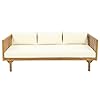

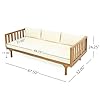
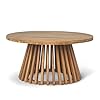
Merax Outdoor Acacia Wood Conversation Set, 3-Seat Loveseat Sofa w/Coushion and Round Coffee Table for Backyard, Patio Furniture, Teak+Beige
$519.99 (as of March 7, 2026 02:26 GMT -05:00 - More infoProduct prices and availability are accurate as of the date/time indicated and are subject to change. Any price and availability information displayed on [relevant Amazon Site(s), as applicable] at the time of purchase will apply to the purchase of this product.)![[3 PIECE SET] This patio conversation set includes: 2 patio lounge chairs and 1 patio side table. [PREMIUM TEAK WOOD] Sourced from sustainable forests, our patio conversation set is expertly crafted from high-quality teak wood, ensuring both durabili...](https://m.media-amazon.com/images/I/61RlGdGcaiL._SL160_.jpg)
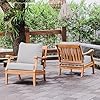



Cambridge Casual Robin Teak Wood 3 Piece Patio Conversation Set with Oyster Cushion
$994.70 (as of March 7, 2026 02:26 GMT -05:00 - More infoProduct prices and availability are accurate as of the date/time indicated and are subject to change. Any price and availability information displayed on [relevant Amazon Site(s), as applicable] at the time of purchase will apply to the purchase of this product.)





PURPLE LEAF 11 Pieces Patio Dining Set Wicker Outdoor Furniture Rectangular Table and Chairs Set for Garden Deck Teak-Finish Aluminum Frame Backyard Kitchen Set, Cushions and Pillows Included
$2,099.00 (as of March 7, 2026 02:26 GMT -05:00 - More infoProduct prices and availability are accurate as of the date/time indicated and are subject to change. Any price and availability information displayed on [relevant Amazon Site(s), as applicable] at the time of purchase will apply to the purchase of this product.)![[Versatile Outdoor Modular Sofa Set] This 6-piece acacia wood patio furniture set features a customizable L-shaped configuration with 3 armless chairs, 1 corner sofa, 1 ottoman, and 1 tea table – ideal for dynamic outdoor entertaining. The modular de...](https://m.media-amazon.com/images/I/51CUH9Yb9gL._SL160_.jpg)




Merax 6 Pieces Patio Furniture Set, Outdoor L-Shaped Sectional Sofa Set with Coffee Table, Acacia Wood Conversation Seating & Cushions and Lumbar Pillows, for Garden, Poolside and Backyard, Teak+Beige
$899.99 (as of March 7, 2026 02:26 GMT -05:00 - More infoProduct prices and availability are accurate as of the date/time indicated and are subject to change. Any price and availability information displayed on [relevant Amazon Site(s), as applicable] at the time of purchase will apply to the purchase of this product.)
Now retrieving an image set.
Homall 4 Pieces Outdoor Patio Furniture Sets Rattan Chair Wicker Set,Outdoor Indoor Use Backyard Porch Garden Poolside Balcony Furniture (Brown and Beige)
$139.99 (as of March 6, 2026 17:36 GMT -05:00 - More infoProduct prices and availability are accurate as of the date/time indicated and are subject to change. Any price and availability information displayed on [relevant Amazon Site(s), as applicable] at the time of purchase will apply to the purchase of this product.)
Now retrieving an image set.
PORWEY 3 Piece Patio Bistro Set, Outdoor Wicker Apartment Balcony Furniture Sets, Rattan Table and Chairs Set of 2 for Porch Backyard Lawn Poolside Deck, Beige
$129.99 (as of March 6, 2026 17:36 GMT -05:00 - More infoProduct prices and availability are accurate as of the date/time indicated and are subject to change. Any price and availability information displayed on [relevant Amazon Site(s), as applicable] at the time of purchase will apply to the purchase of this product.)
Now retrieving an image set.
Greesum Patio Furniture 4 Pieces Conversation Sets Outdoor Wicker Rattan Chairs Garden Backyard Balcony Porch Poolside loveseat with Soft Cushion and Glass Table, Brown and Beige
$145.99 (as of March 6, 2026 17:36 GMT -05:00 - More infoProduct prices and availability are accurate as of the date/time indicated and are subject to change. Any price and availability information displayed on [relevant Amazon Site(s), as applicable] at the time of purchase will apply to the purchase of this product.)
Now retrieving an image set.
FDW Wicker Outdoor Furniture Patio Furniture Set of 3 Rattan Patio Chairs Outdoor Chairs Patio Conversation Set with Coffee Table for Yard Backyard Lawn Porch Poolside Balcony,Black
$79.99 (as of March 6, 2026 17:36 GMT -05:00 - More infoProduct prices and availability are accurate as of the date/time indicated and are subject to change. Any price and availability information displayed on [relevant Amazon Site(s), as applicable] at the time of purchase will apply to the purchase of this product.)
Now retrieving an image set.