Instant Insight: Before buying teak furniture, check the wood's grade and origin, as high-quality teak is usually sourced from sustainable plantations. Look for solid wood rather than veneer or particle board, as solid teak offers better durability and resistance to weather. Inspect the craftsmanship, ensuring joints are strong and well-finished, which indicates longevity. In closing, consider the furniture's maintenance requirements, as proper care will enhance its lifespan and appearance.

In This Article
- Essential Factors to Consider When Buying Teak Furniture
- 1. Quality of Teak Wood
- 2. Construction and Craftsmanship
- 3. Design and Style
- 4. Maintenance Requirements
- 5. Sustainability and Sourcing
- 6. Price Considerations
- 7. Warranty and Customer Service
- Conclusion
- Top Questions Answered
- What advantages does teak wood offer for furniture making?
- How should I care for teak furniture?
- Is teak furniture environmentally sustainable?
- Is it safe to leave teak furniture outdoors all year long?
Essential Factors to Consider When Buying Teak Furniture
When investing in teak furniture, the quality of the wood and its craftsmanship can significantly impact both aesthetics and durability. High-grade teak, often sourced from sustainable plantations, boasts a rich, golden hue that deepens over time, adding character to any space. Opting for solid teak rather than veneer ensures that your pieces can withstand the elements, making them ideal for both indoor and outdoor settings. Careful attention to the joints and finishes reveals the skill of the artisans behind the furniture, promising longevity and resilience. Additionally, understanding the maintenance needs of teak will help preserve its beauty, allowing you to enjoy your investment for years to come.
1. Quality of Teak Wood
When selecting teak furniture, the quality of the wood is paramount. Teak is classified into several grades, which can significantly affect its appearance and longevity. The highest quality teak is known as “Grade A” teak, which comes from the heartwood of mature trees. This wood is rich in natural oils, making it resistant to moisture, pests, and decay.
- Grade A Teak: This type is the most sought after due to its rich color and durability. It often features a golden-brown hue that deepens over time.
- Grade B Teak: Slightly less durable than Grade A, this wood may contain some sapwood and is often used for less expensive furniture.
- Grade C Teak: This is the lowest quality and often used for budget furniture. It may not last as long and can be more susceptible to damage.
2. Construction and Craftsmanship
The construction quality of teak furniture is another critical factor. Well-constructed pieces will not only look better but will also last longer. Look for joints that are tightly fitted and reinforced with dowels or mortise-and-tenon joints rather than just screws or nails.
- Joinery: High-quality teak furniture often features traditional joinery techniques that enhance strength and stability.
- Finish: A good finish protects the wood from moisture and UV rays. Look for furniture that has been treated with a protective oil or sealant.
- Weight: Heavier pieces are typically made from solid wood rather than composite materials, indicating better quality.
3. Design and Style
Teak furniture comes in a variety of designs, from classic to contemporary. When choosing a style, consider how the furniture will fit into your existing decor. For example, a sleek, modern teak dining table can complement a minimalist kitchen, while intricately carved teak chairs may enhance a traditional dining room.
- Outdoor vs. Indoor: Outdoor teak furniture often features more robust designs to withstand weather conditions, while indoor pieces may focus on aesthetics and comfort.
- Customization: Some manufacturers offer customizable options, allowing you to choose finishes, colors, and sizes that suit your needs.
- Versatility: Teak furniture can be versatile; for instance, a teak coffee table can serve as both a functional piece and a decorative element in your living room.
4. Maintenance Requirements
Teak furniture is relatively low-maintenance compared to other types of wood furniture. However, understanding the maintenance requirements can help prolong its life and keep it looking beautiful.
- Regular Cleaning: Use a soft cloth and mild soap to clean your teak furniture regularly. Avoid harsh chemicals that can damage the wood.
- Oiling: Applying teak oil every six months can help maintain its rich color and protect it from drying out.
- Covering: If your teak furniture is outdoors, consider using covers during harsh weather conditions to prevent fading and wear.
5. Sustainability and Sourcing
Sustainability is an increasingly important factor when purchasing teak furniture. Teak is often harvested from tropical forests, which can lead to deforestation if not sourced responsibly. Look for manufacturers that provide certification indicating sustainable sourcing practices.
- FSC Certification: The Forest Stewardship Council (FSC) certifies wood products that come from responsibly managed forests. Look for this certification when purchasing teak furniture.
- Reclaimed Teak: Some manufacturers offer reclaimed teak furniture made from old structures or boats, providing a unique aesthetic while promoting sustainability.
- Transparency: Choose brands that are transparent about their sourcing practices and can provide information about where their teak comes from.
6. Price Considerations
The price of teak furniture can vary widely based on quality, design, and brand reputation. While it may be tempting to opt for cheaper options, investing in high-quality teak can save you money in the long run due to its durability.
- Budgeting: Determine your budget before shopping. High-quality teak furniture typically starts at a higher price point but offers better longevity.
- Sales and Discounts: Keep an eye out for seasonal sales or discounts from reputable retailers that may offer high-quality pieces at reduced prices.
- Long-Term Investment: Consider the long-term value of your purchase; high-quality teak furniture can last for decades with proper care.
7. Warranty and Customer Service
A good warranty can provide peace of mind when purchasing teak furniture. Look for manufacturers that offer warranties on their products, as this indicates confidence in their craftsmanship.
- Length of Warranty: A warranty of at least five years is ideal for outdoor teak furniture, while indoor pieces may have different terms.
- Customer Support: Choose brands known for excellent customer service; this can be invaluable if you encounter issues with your purchase.
- Return Policy: Familiarize yourself with the return policy in case the furniture does not meet your expectations upon delivery.
Conclusion
Purchasing teak furniture is an investment that can enhance your home’s aesthetic while providing lasting durability. By considering factors such as wood quality, craftsmanship, design, maintenance requirements, sustainability, price, and warranty options, you can make an informed decision that aligns with your needs and values. With proper care and attention, your teak furniture will not only serve you well but also become a cherished part of your home for years to come.
Top Questions Answered
What advantages does teak wood offer for furniture making?
Teak wood is renowned for its durability and resistance to moisture, making it an ideal choice for both indoor and outdoor furniture. Its natural oils help protect against pests and decay, ensuring longevity. Additionally, teak has a beautiful grain and rich color that enhances the aesthetic appeal of any space. This combination of strength and beauty makes teak furniture a popular investment for homeowners.
How should I care for teak furniture?
Caring for teak furniture involves regular cleaning and occasional oiling to maintain its natural luster. Use a mild soap solution and a soft cloth to wipe down surfaces, avoiding harsh chemicals that can damage the wood. If the furniture is outdoors, consider applying a teak protector to prevent weathering. Regular maintenance will help preserve its appearance and extend its lifespan.
Is teak furniture environmentally sustainable?
The sustainability of teak furniture largely depends on the source of the wood. Teak that is harvested from responsibly managed forests, certified by organizations like the Forest Stewardship Council (FSC), is considered environmentally sustainable. However, it is essential to verify the sourcing to ensure that it does not contribute to deforestation. Choosing sustainably sourced teak helps support eco-friendly practices in the furniture industry.
Is it safe to leave teak furniture outdoors all year long?
Teak furniture is highly resistant to the elements, making it suitable for outdoor use. However, while it can withstand rain and sun, prolonged exposure may lead to weathering and a silver-gray patina over time. To maintain its original color and finish, it's advisable to cover or store teak furniture during extreme weather conditions or winter months. Proper care will ensure it remains in excellent condition for years.


Christopher Knight Home Esme Outdoor Acacia Wood Bench, Teak Finish
27% Off


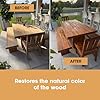


Furniture Clinic Teak Oil | Wood Oil Protects & Cleans Outdoor & Indoor Furniture, Boats, Shower Benches | Restore & Protect Wood, Prevent Drying & Other Damage | Natural Matte Finish | 17oz/500ml
10% Off
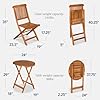


Best Choice Products 3-Piece Acacia Wood Bistro Set, Folding Patio Furniture for Backyard, Balcony, Deck w/ 2 Chairs, Round Coffee Table, Teak Finish - Natural
11% Off

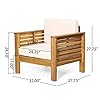


Christopher Knight Home Louver Club Chairs, Teak + Cream
$390.99 (as of March 6, 2026 02:24 GMT -05:00 - More infoProduct prices and availability are accurate as of the date/time indicated and are subject to change. Any price and availability information displayed on [relevant Amazon Site(s), as applicable] at the time of purchase will apply to the purchase of this product.)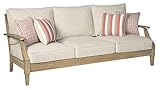


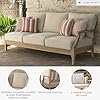
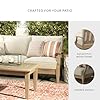
Signature Design by Ashley Clare View Outdoor Patio Sofa, 4 Throw Pillows, Nuvella Weather Resistant Fabric, Eucalyptus Wood, 81" W x 35" D x 32" H, Beige
$1,369.99 (as of March 6, 2026 02:24 GMT -05:00 - More infoProduct prices and availability are accurate as of the date/time indicated and are subject to change. Any price and availability information displayed on [relevant Amazon Site(s), as applicable] at the time of purchase will apply to the purchase of this product.)





Lokingrise 4-Piece Deep Seating Teak Wood Patio Furniture Set, Acacia Wood Outdoor Conversation Sofa Set with Cushioned Loveseat, Armchairs and Coffee Table for Garden, Deck, Backyard
$859.99 (as of March 6, 2026 02:24 GMT -05:00 - More infoProduct prices and availability are accurate as of the date/time indicated and are subject to change. Any price and availability information displayed on [relevant Amazon Site(s), as applicable] at the time of purchase will apply to the purchase of this product.)
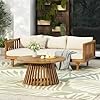
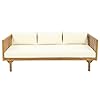

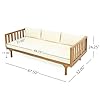
Merax Outdoor Acacia Wood Conversation Set, 3-Seat Loveseat Sofa w/Coushion and Round Coffee Table for Backyard, Patio Furniture, Teak+Beige
$519.99 (as of March 6, 2026 02:24 GMT -05:00 - More infoProduct prices and availability are accurate as of the date/time indicated and are subject to change. Any price and availability information displayed on [relevant Amazon Site(s), as applicable] at the time of purchase will apply to the purchase of this product.)
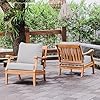



Cambridge Casual Robin Teak Wood 3 Piece Patio Conversation Set with Oyster Cushion
$994.70 (as of March 6, 2026 02:24 GMT -05:00 - More infoProduct prices and availability are accurate as of the date/time indicated and are subject to change. Any price and availability information displayed on [relevant Amazon Site(s), as applicable] at the time of purchase will apply to the purchase of this product.)

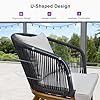
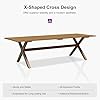


PURPLE LEAF 11 Pieces Patio Dining Set Wicker Outdoor Furniture Rectangular Table and Chairs Set for Garden Deck Teak-Finish Aluminum Frame Backyard Kitchen Set, Cushions and Pillows Included
$2,099.00 (as of March 6, 2026 02:24 GMT -05:00 - More infoProduct prices and availability are accurate as of the date/time indicated and are subject to change. Any price and availability information displayed on [relevant Amazon Site(s), as applicable] at the time of purchase will apply to the purchase of this product.)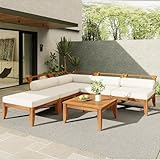
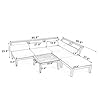

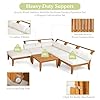


Merax 6 Pieces Patio Furniture Set, Outdoor L-Shaped Sectional Sofa Set with Coffee Table, Acacia Wood Conversation Seating & Cushions and Lumbar Pillows, for Garden, Poolside and Backyard, Teak+Beige
$899.99 (as of March 6, 2026 02:24 GMT -05:00 - More infoProduct prices and availability are accurate as of the date/time indicated and are subject to change. Any price and availability information displayed on [relevant Amazon Site(s), as applicable] at the time of purchase will apply to the purchase of this product.)
Now retrieving an image set.
EconoHome 4-Piece Outdoor Patio Furniture Set - Patio Set with 2 Rattan Chairs, 1 Loveseat & 1 Glass -Top Coffee Table - Weather-Proof Wicker with Cushions - Conversation Set for Porch, Balcony, Lawn
$142.99 (as of March 6, 2026 17:36 GMT -05:00 - More infoProduct prices and availability are accurate as of the date/time indicated and are subject to change. Any price and availability information displayed on [relevant Amazon Site(s), as applicable] at the time of purchase will apply to the purchase of this product.)
Now retrieving an image set.
Shintenchi 4 Pieces Patio Furniture Set All Weather Textile Fabric Outdoor Conversation Set, with Glass Coffee Table, Loveseat, 2 Single Chairs for Home, Garden, Lawn, Porch(Gray)
$109.98 (as of March 6, 2026 17:36 GMT -05:00 - More infoProduct prices and availability are accurate as of the date/time indicated and are subject to change. Any price and availability information displayed on [relevant Amazon Site(s), as applicable] at the time of purchase will apply to the purchase of this product.)
Now retrieving an image set.
LEVELEVE Balcony Furniture 5 Piece Patio Conversation Set, PE Wicker Rattan Outdoor Lounge Chairs with Soft Cushions 2 Ottoman&Glass Table for Porch, Lawn-Brown Wicker
$149.99 (as of March 6, 2026 17:36 GMT -05:00 - More infoProduct prices and availability are accurate as of the date/time indicated and are subject to change. Any price and availability information displayed on [relevant Amazon Site(s), as applicable] at the time of purchase will apply to the purchase of this product.)
Now retrieving an image set.
Gizoon 3 Pieces Rocking Patio Bistro Set with Anti-Scald Armrest, Outdoor Patio Wicker Furniture Set with Glass Table and Cushion for Garden, Yard, Porch
$59.99 (as of March 6, 2026 17:36 GMT -05:00 - More infoProduct prices and availability are accurate as of the date/time indicated and are subject to change. Any price and availability information displayed on [relevant Amazon Site(s), as applicable] at the time of purchase will apply to the purchase of this product.)
Now retrieving an image set.
Oasbira Aluminum Outdoor Patio Furniture Set with Coffee Table, 5 Piece Patio Conversation Sets with Washable Thick Cushions, Outdoor Sectional Furniture Set for Porch, Balcony, Deck, Yard, Graphite
$749.99 (as of March 6, 2026 17:36 GMT -05:00 - More infoProduct prices and availability are accurate as of the date/time indicated and are subject to change. Any price and availability information displayed on [relevant Amazon Site(s), as applicable] at the time of purchase will apply to the purchase of this product.)