Quick Take: To restore teak furniture, you will need a few essential tools. Start with a soft-bristle brush or cloth for cleaning, teak oil or a suitable wood finish for protection, and fine-grit sandpaper to smooth any rough areas. Additionally, a putty knife can help remove old finishes or debris, while a clean rag is necessary for applying oil and wiping off excess. Having these tools on hand will facilitate an effective restoration process.

Contents
- Essential Tools for Restoring Teak Furniture Effectively
- Understanding Teak Wood
- Essential Tools for Restoration
- Step-by-Step Restoration Process
- Maintenance Tips for Teak Furniture
- Conclusion
- Common Questions People Ask
- How do you maintain teak furniture?
- Why is teak furniture so expensive?
- What is teak furniture and why does it matter?
Essential Tools for Restoring Teak Furniture Effectively
Restoring teak furniture can breathe new life into your cherished pieces, transforming them from weathered relics to stunning focal points in your home. To embark on this rewarding journey, having the right tools at your fingertips is crucial. A soft-bristle brush or cloth will gently lift away dirt and grime, while fine-grit sandpaper smooths out any imperfections, preparing the surface for rejuvenation. The application of teak oil not only enhances the wood’s natural beauty but also provides essential protection against the elements. With a putty knife to tackle stubborn old finishes and a clean rag for precise oil application, you’ll be well-equipped to achieve a professional-looking restoration that showcases the timeless elegance of teak.
Understanding Teak Wood
Teak wood is a tropical hardwood that originates from Southeast Asia, particularly Myanmar, Thailand, and India. Its unique properties make it highly sought after for furniture making. Here are some key characteristics:
- Natural Oils: Teak contains natural oils that protect it from moisture and pests.
- Durability: It is resistant to warping, cracking, and splitting, even in harsh weather conditions.
- Aesthetic Appeal: The wood has a beautiful golden-brown hue that deepens over time.
Understanding these properties is crucial for selecting the right restoration methods and products.
Essential Tools for Restoration
To effectively restore teak furniture, you will need a variety of tools and materials. Here’s a detailed list of what you should gather:
- Soft-Bristled Brush: A soft-bristled brush is essential for removing dirt and debris without scratching the wood surface. Look for brushes made from natural fibers to avoid any potential damage.
- Teak Cleaner: A specialized teak cleaner helps remove grime and old finishes. Products like Star brite Teak Cleaner or Semco Teak Cleaner are excellent choices. Always follow the manufacturer’s instructions for the best results.
- Sanding Block or Orbital Sander: For deeper scratches or worn areas, a sanding block or an orbital sander with fine-grit sandpaper (220-grit) will help smooth the surface. Be cautious not to over-sand, as this can damage the wood.
- Teak Oil or Finish: After cleaning and sanding, applying teak oil or a protective finish will restore the wood’s natural luster. Consider using products like Watco Teak Oil or Danish Oil for a beautiful finish.
- Clean Rags: Soft, lint-free rags are necessary for applying cleaners and oils. Microfiber cloths work well for this purpose.
- Protective Gear: Always wear gloves and a mask when working with chemicals or sanding to protect your skin and lungs.
Step-by-Step Restoration Process
Now that you have your tools ready, follow these steps to restore your teak furniture effectively:
1. Cleaning the Surface
The first step in restoring teak furniture is to thoroughly clean it. Use a soft-bristled brush to remove any loose dirt or debris. Next, apply the teak cleaner according to the product instructions:
- Apply the cleaner generously using a clean rag or sponge.
- Allow it to sit for the recommended time to penetrate the wood.
- Scrub gently with the brush to lift any stubborn stains.
- Rinse with clean water and dry with a soft cloth.
2. Sanding the Wood
Once the furniture is clean and dry, inspect it for any scratches or rough spots. If necessary, lightly sand these areas:
- Use a sanding block or orbital sander with 220-grit sandpaper.
- Sand in the direction of the grain to avoid scratches.
- Wipe away dust with a damp cloth after sanding.
3. Applying Teak Oil
The next step is to rejuvenate the wood with teak oil. This will enhance its color and provide protection:
- Shake the teak oil container well before use.
- Using a clean rag, apply a generous amount of oil to the surface of the furniture.
- Allow the oil to soak in for about 15-30 minutes.
- Wipe off any excess oil with a clean cloth to prevent a sticky residue.
4. Finishing Touches
If desired, you can apply a protective finish after the oil has dried. This step is particularly useful for outdoor furniture:
- Select a marine-grade finish designed for teak, such as Epifanes Marine Varnish.
- Apply thin coats with a brush, allowing each coat to dry completely before applying the next.
- A minimum of two coats is recommended for optimal protection.
Maintenance Tips for Teak Furniture
To keep your restored teak furniture looking its best, regular maintenance is essential. Here are some tips:
- Clean Regularly: Dust your furniture weekly with a soft cloth to prevent dirt buildup.
- Avoid Harsh Chemicals: Use only mild soap and water for cleaning; avoid bleach or ammonia-based cleaners that can damage the wood.
- Reapply Oil Annually: Depending on exposure to sunlight and weather conditions, reapply teak oil every 6-12 months to maintain its appearance.
- Store Indoors When Possible: If you have outdoor teak furniture, consider storing it indoors during harsh weather conditions to prolong its life.
Conclusion
Restoring teak furniture can be a rewarding project that enhances both its beauty and longevity. By following these steps and using the right tools, you can effectively bring your teak pieces back to their original glory. Remember that regular maintenance is key to preserving their stunning appearance and ensuring they remain functional for years to come. With care and attention, your teak furniture will continue to be a cherished part of your home.
Common Questions People Ask
How do you maintain teak furniture?
To maintain teak furniture, regular cleaning with mild soap and water is recommended to remove dirt and grime. Applying a teak oil or sealer can help preserve its color and prevent fading over time. It’s also advisable to store teak furniture indoors during harsh weather conditions to prolong its life and maintain its appearance.
Why is teak furniture so expensive?
The high cost of teak furniture is primarily due to the slow growth rate of teak trees, which can take decades to mature. Additionally, the quality of teak wood, known for its strength and resistance to elements, contributes to its premium pricing. The labor-intensive process of crafting high-quality teak furniture also adds to its overall expense.
What is teak furniture and why does it matter?
teak furniture is a specific approach or topic with practical steps you can learn and apply. Start by understanding the core definition, then practice one small technique at a time so you can measure results and improve quickly.


Christopher Knight Home Esme Outdoor Acacia Wood Bench, Teak Finish
27% Off


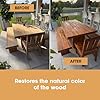


Furniture Clinic Teak Oil | Wood Oil Protects & Cleans Outdoor & Indoor Furniture, Boats, Shower Benches | Restore & Protect Wood, Prevent Drying & Other Damage | Natural Matte Finish | 17oz/500ml
10% Off
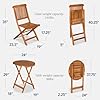


Best Choice Products 3-Piece Acacia Wood Bistro Set, Folding Patio Furniture for Backyard, Balcony, Deck w/ 2 Chairs, Round Coffee Table, Teak Finish - Natural
11% Off

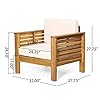


Christopher Knight Home Louver Club Chairs, Teak + Cream
$390.99 (as of March 6, 2026 02:24 GMT -05:00 - More infoProduct prices and availability are accurate as of the date/time indicated and are subject to change. Any price and availability information displayed on [relevant Amazon Site(s), as applicable] at the time of purchase will apply to the purchase of this product.)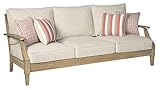





Signature Design by Ashley Clare View Outdoor Patio Sofa, 4 Throw Pillows, Nuvella Weather Resistant Fabric, Eucalyptus Wood, 81" W x 35" D x 32" H, Beige
$1,369.99 (as of March 6, 2026 02:24 GMT -05:00 - More infoProduct prices and availability are accurate as of the date/time indicated and are subject to change. Any price and availability information displayed on [relevant Amazon Site(s), as applicable] at the time of purchase will apply to the purchase of this product.)





Lokingrise 4-Piece Deep Seating Teak Wood Patio Furniture Set, Acacia Wood Outdoor Conversation Sofa Set with Cushioned Loveseat, Armchairs and Coffee Table for Garden, Deck, Backyard
$859.99 (as of March 6, 2026 02:24 GMT -05:00 - More infoProduct prices and availability are accurate as of the date/time indicated and are subject to change. Any price and availability information displayed on [relevant Amazon Site(s), as applicable] at the time of purchase will apply to the purchase of this product.)


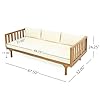
Merax Outdoor Acacia Wood Conversation Set, 3-Seat Loveseat Sofa w/Coushion and Round Coffee Table for Backyard, Patio Furniture, Teak+Beige
$519.99 (as of March 6, 2026 02:24 GMT -05:00 - More infoProduct prices and availability are accurate as of the date/time indicated and are subject to change. Any price and availability information displayed on [relevant Amazon Site(s), as applicable] at the time of purchase will apply to the purchase of this product.)
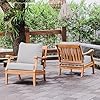



Cambridge Casual Robin Teak Wood 3 Piece Patio Conversation Set with Oyster Cushion
$994.70 (as of March 6, 2026 02:24 GMT -05:00 - More infoProduct prices and availability are accurate as of the date/time indicated and are subject to change. Any price and availability information displayed on [relevant Amazon Site(s), as applicable] at the time of purchase will apply to the purchase of this product.)





PURPLE LEAF 11 Pieces Patio Dining Set Wicker Outdoor Furniture Rectangular Table and Chairs Set for Garden Deck Teak-Finish Aluminum Frame Backyard Kitchen Set, Cushions and Pillows Included
$2,099.00 (as of March 6, 2026 02:24 GMT -05:00 - More infoProduct prices and availability are accurate as of the date/time indicated and are subject to change. Any price and availability information displayed on [relevant Amazon Site(s), as applicable] at the time of purchase will apply to the purchase of this product.)
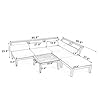

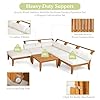


Merax 6 Pieces Patio Furniture Set, Outdoor L-Shaped Sectional Sofa Set with Coffee Table, Acacia Wood Conversation Seating & Cushions and Lumbar Pillows, for Garden, Poolside and Backyard, Teak+Beige
$899.99 (as of March 6, 2026 02:24 GMT -05:00 - More infoProduct prices and availability are accurate as of the date/time indicated and are subject to change. Any price and availability information displayed on [relevant Amazon Site(s), as applicable] at the time of purchase will apply to the purchase of this product.)
Now retrieving an image set.
Greesum Patio Furniture 4 Pieces Conversation Sets Outdoor Wicker Rattan Chairs Garden Backyard Balcony Porch Poolside loveseat with Soft Cushion and Glass Table, Brown and Beige
$145.99 (as of March 6, 2026 17:36 GMT -05:00 - More infoProduct prices and availability are accurate as of the date/time indicated and are subject to change. Any price and availability information displayed on [relevant Amazon Site(s), as applicable] at the time of purchase will apply to the purchase of this product.)
Now retrieving an image set.
Vongrasig 6 Piece Folding Patio Dining Set,Small Metal Outdoor Garden Patio Table and Chair Set w/Umbrella for Lawn,Deck,Backyard,Black
$142.13 (as of March 6, 2026 17:36 GMT -05:00 - More infoProduct prices and availability are accurate as of the date/time indicated and are subject to change. Any price and availability information displayed on [relevant Amazon Site(s), as applicable] at the time of purchase will apply to the purchase of this product.)
Now retrieving an image set.
Oasbira Aluminum Outdoor Patio Furniture Set with Coffee Table, 5 Piece Patio Conversation Sets with Washable Thick Cushions, Outdoor Sectional Furniture Set for Porch, Balcony, Deck, Yard, Graphite
$749.99 (as of March 6, 2026 17:36 GMT -05:00 - More infoProduct prices and availability are accurate as of the date/time indicated and are subject to change. Any price and availability information displayed on [relevant Amazon Site(s), as applicable] at the time of purchase will apply to the purchase of this product.)
Now retrieving an image set.
SERWALL 7-Piece Patio Dining Table Sets, Outdoor HDPE Dining Furniture Set with Umbrella Hole Cut-Out Table and 6 Chairs, Black
$557.69 (as of March 6, 2026 17:36 GMT -05:00 - More infoProduct prices and availability are accurate as of the date/time indicated and are subject to change. Any price and availability information displayed on [relevant Amazon Site(s), as applicable] at the time of purchase will apply to the purchase of this product.)
Now retrieving an image set.
Shintenchi 3 Piece Outdoor Rocking Bistro Set, Textilene Fabric Small Patio Furniture Set, Front Porch Rocker Chairs Conversation Set with Table for Lawn, Garden, Balcony, Poolside (Black)
$89.99 (as of March 6, 2026 17:36 GMT -05:00 - More infoProduct prices and availability are accurate as of the date/time indicated and are subject to change. Any price and availability information displayed on [relevant Amazon Site(s), as applicable] at the time of purchase will apply to the purchase of this product.)