Instant Answer: To determine if your teak wood is authentic, examine its color and grain; genuine teak typically has a rich, golden-brown hue that darkens with age and features a straight, tight grain. Authentic teak also has a smooth, oily feel due to natural oils, and it resists water and pests well. If the wood feels lightweight or has a uniform, unnatural appearance, it may be fake or heavily processed. Additionally, authentic teak often bears a distinct scent and may have small natural imperfections, unlike synthetic or imitation materials.

How to Identify Genuine Teak Wood and Avoid Fakes
Authentic teak wood exudes a warm, golden-brown glow that deepens with age, its straight, tight grain adding a refined texture to any piece. When you run your fingers over genuine teak, it feels smooth and oily, a natural coating that hints at its durability and resistance to water and pests. The scent of real teak is subtly earthy, often accompanied by tiny natural imperfections that speak to its authenticity, unlike the uniform appearance of synthetic alternatives. If the wood feels unusually lightweight or looks overly perfect and uniform, it’s likely a manufactured imitation rather than the real deal. Recognizing these subtle cues can help ensure you’re investing in genuine teak that will stand the test of time.
Understanding What Makes Teak Wood Unique
Teak wood, scientifically known as Tectona grandis, is renowned for its exceptional durability, natural oils, and beautiful grain patterns. Native to Southeast Asia, particularly Myanmar, Indonesia, Thailand, and India, teak has been valued for centuries in boat building, furniture making, and architectural applications. Its natural oils provide resistance against water, pests, and decay, making it ideal for outdoor use.
Authentic teak is characterized by a rich, golden-brown hue that can deepen over time to a silvery-gray patina if left untreated outdoors. Its density and oil content give it a weighty feel and a smooth, oily surface when properly finished. Recognizing these features is crucial in identifying genuine teak.
Key Characteristics of Genuine Teak
- Color: Freshly cut teak exhibits a warm, golden or honey-brown color. Over time, exposure to sunlight and weather causes it to develop a silvery-gray patina if left untreated.
- Grain Pattern: Teak has a straight grain with occasional wavy or interlocked patterns. The grain is usually fine and uniform, with subtle variations that add to its aesthetic appeal.
- Texture: The surface of genuine teak is smooth and oily to the touch due to its natural oils. When sanded, it reveals a fine, even texture without rough patches.
- Weight: Teak is notably dense and heavy for its size, reflecting its high oil and resin content.
- Odor: Authentic teak has a mild, pleasant scent reminiscent of fresh wood or natural oils.
- Durability: When properly seasoned and maintained, genuine teak resists rot, insects, and water damage for decades.
Common Signs of Fake or Imitation Teak
Counterfeit or lower-quality substitutes often mimic some visual aspects of teak but lack its core properties. Be wary of the following signs:
- Color Discrepancies: Fake teak may appear unnaturally uniform or overly bright, lacking the natural variation seen in real teak.
- Lightweight Feel: If the wood feels surprisingly light or flimsy, it’s likely an imitation or a less dense wood painted or stained to look like teak.
- Unnatural Grain: Artificial teak may have overly consistent or repetitive grain patterns that seem too perfect or machine-made.
- Surface Finish: Fake teak often has a glossy or plastic-like surface due to coatings or laminates that do not possess the natural oils of genuine teak.
- Price Point: Extremely low prices compared to market standards should raise suspicion. Genuine teak is a premium material with a corresponding price.
- Smell: Fake or composite woods typically lack the subtle scent of natural teak.
Practical Steps to Verify Authenticity
1. Examine the Color and Grain
Start by inspecting the color. Genuine teak should have a warm, golden hue that deepens with age. Look for natural variations—no two pieces are exactly alike. Run your fingers along the grain; it should feel smooth and oily. If the surface appears overly glossy or plastic-like, it might be coated or laminated.
2. Conduct a Water Test
This simple test can help determine if the wood is real teak. Place a few drops of water on the surface. Genuine teak’s natural oils will cause the water to bead up and stay on the surface for some time. If the water quickly soaks in or disperses evenly without forming beads, the wood may not be authentic teak.
3. Check the Weight
Pick up the piece and assess its weight. Genuine teak is dense and heavy; if it feels unusually light for its size, it could be a fake or made from lower-density wood composites.
4. Look for Natural Oil Residue
Rub a small area with your finger or a cloth. Authentic teak will feel slightly oily due to its natural oils. If it feels dry or powdery, it might be a veneer or imitation.
5. Inspect the Grain Pattern
Examine the grain closely—genuine teak has fine, straight grains with occasional wavy patterns. Repetitive or overly uniform grain patterns suggest artificial manufacturing or veneer overlays.
6. Smell the Wood
A subtle, pleasant woody scent is typical of real teak. If there’s no smell or an artificial chemical odor, it’s likely not genuine teak.
Additional Tips for Buyers
- Buy from Reputable Suppliers: Always purchase from trusted dealers who provide certification or provenance documentation for their teak products.
- Request Close-Up Photos: Ask for detailed images showing grain patterns and color variations.
- Seek Certification: Look for FSC (Forest Stewardship Council) certification or other credible eco-labels that verify sustainable sourcing of genuine teak.
- Compare Prices: Be cautious of deals that seem too good to be true; authentic teak commands a premium price due to its durability and rarity.
The Importance of Proper Maintenance
If you’ve successfully identified genuine teak, proper maintenance will ensure its longevity and beauty. Regular cleaning with mild soap and water keeps the surface free of dirt and grime. Applying a teak oil or sealant every year enhances its natural luster and provides additional protection against weathering. For outdoor furniture, covering during harsh weather conditions and storing indoors during winter can prolong its life significantly.
The Environmental Impact and Ethical Sourcing
Given concerns about deforestation and illegal logging, it’s vital to source teak responsibly. Look for suppliers who adhere to sustainable harvesting practices and possess certifications like FSC or PEFC (Programme for the Endorsement of Forest Certification). These certifications ensure that the wood comes from well-managed forests that prioritize environmental conservation and fair labor practices.
Conclusion: Making an Informed Purchase
Distinguishing genuine teak from fakes requires attention to detail and some basic knowledge of its characteristics. By examining color, grain, weight, smell, and performing simple tests like water absorption, you can confidently identify authentic teak wood. Always buy from reputable sources and look for certification labels to ensure your investment is both authentic and environmentally responsible. Proper maintenance will keep your teak furniture or flooring looking stunning for decades, making it a worthwhile addition to any home or outdoor space.
Remember: investing in genuine teak not only guarantees durability but also supports sustainable forestry practices that help preserve this beautiful resource for future generations.
Other Questions People Ask About Teaking a Wood


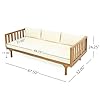
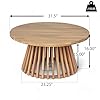
Merax Outdoor 4-Piece Acacia Wood Conversation Set - Patio 3-Seat Loveseat Sofa Daybed with Cushion, 2 Armchair and Round Coffee Table for Backyard, Lawn, Balcony, Teak + Beige
(as of October 24, 2026 00:54 GMT -04:00 - More infoProduct prices and availability are accurate as of the date/time indicated and are subject to change. Any price and availability information displayed on [relevant Amazon Site(s), as applicable] at the time of purchase will apply to the purchase of this product.)


Werph 3-Piece Acacia Wood Outdoor Patio Furniture Set
(as of October 23, 2026 15:53 GMT -04:00 - More infoProduct prices and availability are accurate as of the date/time indicated and are subject to change. Any price and availability information displayed on [relevant Amazon Site(s), as applicable] at the time of purchase will apply to the purchase of this product.)





Christopher Knight Home 312395 Alfy Outdoor Club Chair with Cushions (Set of 2), Teak Finish, Beige
(as of October 23, 2026 17:40 GMT -04:00 - More infoProduct prices and availability are accurate as of the date/time indicated and are subject to change. Any price and availability information displayed on [relevant Amazon Site(s), as applicable] at the time of purchase will apply to the purchase of this product.)


Christopher Knight Home Lorna 4-Seater Patio Furniture Set with Removable Cushion, 4 Piece Outdoor Acacia Wood Conversation Set, Sold Wood Outdoor Sectional Sofa Set with Coffee Table, Teak+Beige
(as of October 23, 2026 17:40 GMT -04:00 - More infoProduct prices and availability are accurate as of the date/time indicated and are subject to change. Any price and availability information displayed on [relevant Amazon Site(s), as applicable] at the time of purchase will apply to the purchase of this product.)





Oasbira Aluminum Outdoor Patio Furniture Set with Coffee Table, 4 Piece Patio Conversation Sets with Washable Thick Cushions, Outdoor Sectional Furniture Set for Poolside, Balcony, Deck, Gray
(as of July 14, 2026 04:23 GMT -04:00 - More infoProduct prices and availability are accurate as of the date/time indicated and are subject to change. Any price and availability information displayed on [relevant Amazon Site(s), as applicable] at the time of purchase will apply to the purchase of this product.)
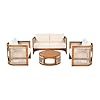
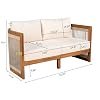


KLMM 4-Piece Patio Seating Group with 2 Chairs, Loveseat & Table,Acacia Wood Outdoor Furniture Set, Curved Tub Design with Woven Rope Accents,for Patio Balcony Garden (Teak+Beige-PP)
(as of October 23, 2026 18:00 GMT -04:00 - More infoProduct prices and availability are accurate as of the date/time indicated and are subject to change. Any price and availability information displayed on [relevant Amazon Site(s), as applicable] at the time of purchase will apply to the purchase of this product.)





Furniture Clinic Teak Oil | Wood Oil Protects & Cleans Outdoor & Indoor Furniture, Boats, Shower Benches | Restore & Protect Wood, Prevent Drying & Other Damage | Natural Matte Finish | 17oz/500ml
(as of October 23, 2026 18:02 GMT -04:00 - More infoProduct prices and availability are accurate as of the date/time indicated and are subject to change. Any price and availability information displayed on [relevant Amazon Site(s), as applicable] at the time of purchase will apply to the purchase of this product.)


Merax 4 Piece Patio Outdoor Furniture Set, All-Weather Acacia Wood Loveseat Sofa, 2 Armchairs w/Coushions, 1 Coffee Table for Porch, Lawn, Backyard, Balcony Teak+ Beige
(as of October 23, 2026 18:02 GMT -04:00 - More infoProduct prices and availability are accurate as of the date/time indicated and are subject to change. Any price and availability information displayed on [relevant Amazon Site(s), as applicable] at the time of purchase will apply to the purchase of this product.)
Now retrieving an image set.
DUMOS 4-Piece Patio Furniture Set Outdoor Wicker Conversation, Black | All-Weather Resistant Rattan Outdoor Seating Chair, Glass Coffee Table, Removable Cushions, Porch Balcony Lawn Backyard
$129.99 (as of October 23, 2026 07:03 GMT -04:00 - More infoProduct prices and availability are accurate as of the date/time indicated and are subject to change. Any price and availability information displayed on [relevant Amazon Site(s), as applicable] at the time of purchase will apply to the purchase of this product.)
Now retrieving an image set.
7 Piece Outdoor Patio Sectional Furniture Set, Modular Wicker Outdoor Couch | Modern Rattan Patio Conversation Sofa Set w/Washable Thick Cushions & Coffee Table for Balcony, Porch, Garden, Brown/Beige
$323.99 (as of October 23, 2026 07:03 GMT -04:00 - More infoProduct prices and availability are accurate as of the date/time indicated and are subject to change. Any price and availability information displayed on [relevant Amazon Site(s), as applicable] at the time of purchase will apply to the purchase of this product.)
Now retrieving an image set.
LAWNOOK Patio Furniture Set - All-Weather - 7 Piece Patio Outdoor Conversation Set, Modular Wicker Rattan Sectional Sofa for Backyard, Garden, Poolside, Balcony, Porch, Patio,Black/Dark Gary
$299.99 (as of October 23, 2026 07:03 GMT -04:00 - More infoProduct prices and availability are accurate as of the date/time indicated and are subject to change. Any price and availability information displayed on [relevant Amazon Site(s), as applicable] at the time of purchase will apply to the purchase of this product.)
Now retrieving an image set.
Rattaner Patio Furniture Set 6 Pieces Couch Outdoor Furniture Sofa Set Storage Table Hight Backrest Anti-Slip Cushions and Waterproof Covers, Peacock Blue
$469.99 (as of October 23, 2026 07:03 GMT -04:00 - More infoProduct prices and availability are accurate as of the date/time indicated and are subject to change. Any price and availability information displayed on [relevant Amazon Site(s), as applicable] at the time of purchase will apply to the purchase of this product.)
Now retrieving an image set.