Instant Answer: Common mistakes when working with teak wood include failing to properly sand the surface, which can lead to uneven finishes. Using incorrect or harsh cleaning products can damage the natural oils in teak wood, reducing its durability. Additionally, neglecting to apply appropriate sealants or finishes can cause the wood to weather prematurely. Lastly, cutting or drilling without proper tools or techniques may cause splintering or cracking in the dense teak wood.

Common Mistakes to Avoid When Working with Teak Wood
Working with teak wood requires a careful touch and an understanding of its unique properties, as even small missteps can compromise its natural beauty and longevity. Neglecting to sand the surface thoroughly can leave behind rough patches and uneven finishes that diminish its smooth, polished look. Using harsh cleaning agents or improper products can strip away the wood’s rich oils, leaving it vulnerable to damage and weathering. Failing to seal or finish teak properly accelerates deterioration, especially when exposed to moisture and sunlight. Additionally, using the wrong tools or techniques for cutting and drilling can cause splintering or cracks, undermining the strength and aesthetic appeal of this dense, treasured hardwood.
1. Using the Wrong Tools for Cutting and Shaping
One of the most frequent errors beginners make is using inappropriate tools when working with teak. Due to its dense, oily nature, teak requires sharp, high-quality tools to achieve clean cuts and smooth finishes. For example, using dull saw blades or low-quality chisels can cause splintering, tearing, or uneven edges.
Solution: Invest in high-quality, carbide-tipped saw blades and sharp chisels designed for hardwoods. A fine-toothed saw blade (such as a 60-tooth finish blade) will produce cleaner cuts on teak. When shaping or carving, use sharp gouges and rasps to prevent tearing the fibers. Regularly check and replace blades and tools as needed to maintain precision.
Additionally, consider using power tools with variable speed settings to control the cutting process better. For example, a router with a sharp bit can create intricate profiles or smooth edges without damaging the wood.
2. Failing to Properly Prepare the Wood Surface
Teak’s natural oils and dense grain can make it resistant to finishing if not properly prepared. Many overlook the importance of surface preparation, leading to poor adhesion of stains or sealants and uneven finishes.
Solution: Before starting any project, sand the teak thoroughly using progressively finer grits of sandpaper—begin with 120 grit and finish with 220 grit—to remove surface imperfections and open the pores for better finish absorption. Always sand along the grain to avoid scratches that can mar the surface.
After sanding, clean the surface meticulously with a tack cloth or vacuum to remove dust and debris. For outdoor furniture or items exposed to moisture, consider applying a pre-treatment such as a wood conditioner or a penetrating oil designed for dense woods to enhance stain absorption.
3. Ignoring the Importance of Proper Finishing
Teak’s natural oils give it a beautiful golden hue that can fade over time if not properly finished. Many people assume that teak’s natural oils make additional finishing unnecessary, but this is a mistake that can lead to discoloration or surface degradation.
Solution: Use high-quality sealants, oils, or varnishes specifically formulated for teak or dense hardwoods. For outdoor furniture, applying a penetrating oil like teak oil or tung oil helps maintain the wood’s luster and provides additional protection against UV rays and moisture. For indoor projects, a clear polyurethane or varnish can preserve the natural color while providing a durable surface.
Apply finishes in thin, even coats, following manufacturer instructions. Reapply periodically—typically every 6-12 months—to keep the wood protected and looking its best.
4. Overlooking the Need for Proper Jointing Techniques
Strong joints are critical in furniture making and structural projects involving teak. Using improper jointing methods can lead to weak connections that fail over time, especially in outdoor environments where exposure to elements is constant.
Solution: Use appropriate joinery techniques such as mortise and tenon, dowels, or reinforced butt joints with metal fasteners designed for outdoor use. When gluing, select waterproof adhesives like epoxy or polyurethane glue that can withstand moisture and temperature fluctuations.
Ensure that mating surfaces are clean, dry, and properly clamped during glue-up to achieve maximum adhesion. For added strength, consider mechanical fasteners like stainless steel screws or bolts that resist corrosion.
5. Not Accounting for Wood Movement
Teak wood has a relatively stable moisture content but can still expand or contract with changes in humidity and temperature. Failing to accommodate this movement can cause cracks, warping, or joint failure.
Solution: When designing projects, leave appropriate gaps for expansion—such as in table tops or paneling—and avoid tight-fitting joints that restrict movement. Use floating panels or allow for seasonal expansion in outdoor furniture designs.
Store teak in a controlled environment before working on it to reduce moisture content variability. When installing or assembling, consider seasonal conditions to minimize stress on the finished piece.
6. Choosing the Wrong Finish for Outdoor Use
Teak is often used outdoors because of its natural resistance to decay; however, applying the wrong type of finish can diminish this advantage. Some finishes may trap moisture or degrade under UV exposure.
Solution: Select finishes specifically formulated for outdoor use—such as marine-grade varnishes or UV-resistant oils—that allow the wood to breathe while providing protection against moisture and sunlight. Avoid oil-based finishes that may darken excessively or peel over time.
Regular maintenance is key: clean the surface annually and reapply protective coatings as needed to prolong the life of your outdoor teak furniture or structures.
7. Rushing the Drying Process
After applying stains, oils, or sealants, patience is essential. Rushing the drying process can trap solvents or moisture inside the wood, leading to issues like bubbling, peeling, or an uneven finish.
Solution: Follow manufacturer drying times carefully. Allow each coat to cure fully before applying subsequent layers. For outdoor projects, consider weather conditions—avoid applying finishes in direct sunlight or high humidity—and wait at least 24-48 hours before exposing the piece to use or weather.
8. Disregarding Safety Precautions
Working with dense hardwoods like teak involves dust generation and exposure to chemicals from finishes and adhesives. Many overlook safety measures, risking health hazards.
Solution: Always wear protective gear such as dust masks or respirators when sanding or cutting teak. Use gloves when handling chemicals like stains or sealants to prevent skin irritation. Work in well-ventilated areas to minimize inhalation of fumes and dust.
Proper disposal of waste materials is also crucial—do not burn sawdust or leftover chemicals in open areas; instead, follow local regulations for disposal.
9. Neglecting Maintenance After Project Completion
The work doesn’t end once your project is finished. Teak furniture and structures require ongoing maintenance to retain their beauty and integrity over time.
Solution: Regularly inspect your teak pieces for signs of wear or damage. Clean surfaces with mild soap and water periodically—avoid harsh chemicals that can strip natural oils. Reapply oils or sealants every year or as needed based on exposure conditions.
For outdoor furniture, consider covering it during harsh weather seasons or storing it indoors during winter months to extend its lifespan.
10. Underestimating the Cost of Quality Materials
While it might be tempting to cut costs by choosing cheaper teak or alternative woods, this often results in inferior durability and appearance. High-quality teak may have a higher upfront cost but offers superior longevity and aesthetic appeal.
Solution: Invest in well-sourced teak from reputable suppliers who provide certified sustainable wood. Look for clear grain with minimal knots for a uniform appearance and better structural integrity. Remember that quality materials reduce long-term maintenance costs and ensure your project stands the test of time.
Conclusion
Working with teak wood offers incredible opportunities for creating beautiful, durable furniture and structures that can last for decades when handled correctly. By avoiding common mistakes such as improper tool selection, inadequate surface preparation, neglecting proper finishing techniques, and ignoring wood movement considerations, you set yourself up for success.
Take the time to educate yourself about teak’s unique properties and follow best practices throughout each stage of your project—from selecting materials to final maintenance—to achieve professional results that showcase this exceptional hardwood’s natural beauty and resilience.
Other Questions People Ask About Teaking a Wood
How should I care for teak wood furniture to ensure its longevity?
To ensure the longevity of teak wood furniture, regular cleaning with a mild soap and water solution is essential to remove dirt and prevent buildup. Applying a teak-specific oil or sealant every 6 to 12 months helps maintain its natural oils, enhancing durability and resistance to weathering. Additionally, placing furniture under a covered area or using protective covers during harsh weather can prevent moisture damage and UV degradation. For example, teak’s natural oils make it highly resistant to rot, but neglecting maintenance can lead to surface cracks and color loss over time. Consistent care preserves its beauty and structural integrity, extending the lifespan of your furniture for decades.
Is teak wood an environmentally sustainable choice?
Teak wood can be an environmentally sustainable choice if sourced responsibly from well-managed plantations or certified forests, such as those certified by the Forest Stewardship Council (FSC). Unlike illegal logging, sustainable teak plantations minimize deforestation and habitat destruction, making it a more eco-friendly option. A concrete tip is to always look for FSC or similar certifications when purchasing teak furniture, as these labels ensure the wood is harvested following strict environmental and social standards. However, untreated or poorly managed sources can contribute to deforestation and ecological imbalance, so responsible sourcing is crucial for sustainability.


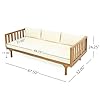
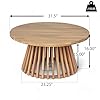
Merax Outdoor 4-Piece Acacia Wood Conversation Set - Patio 3-Seat Loveseat Sofa Daybed with Cushion, 2 Armchair and Round Coffee Table for Backyard, Lawn, Balcony, Teak + Beige
(as of October 23, 2026 00:52 GMT -04:00 - More infoProduct prices and availability are accurate as of the date/time indicated and are subject to change. Any price and availability information displayed on [relevant Amazon Site(s), as applicable] at the time of purchase will apply to the purchase of this product.)


Werph 3-Piece Acacia Wood Outdoor Patio Furniture Set
(as of October 23, 2026 15:53 GMT -04:00 - More infoProduct prices and availability are accurate as of the date/time indicated and are subject to change. Any price and availability information displayed on [relevant Amazon Site(s), as applicable] at the time of purchase will apply to the purchase of this product.)





Christopher Knight Home 312395 Alfy Outdoor Club Chair with Cushions (Set of 2), Teak Finish, Beige
(as of October 23, 2026 17:40 GMT -04:00 - More infoProduct prices and availability are accurate as of the date/time indicated and are subject to change. Any price and availability information displayed on [relevant Amazon Site(s), as applicable] at the time of purchase will apply to the purchase of this product.)


Christopher Knight Home Lorna 4-Seater Patio Furniture Set with Removable Cushion, 4 Piece Outdoor Acacia Wood Conversation Set, Sold Wood Outdoor Sectional Sofa Set with Coffee Table, Teak+Beige
(as of October 23, 2026 17:40 GMT -04:00 - More infoProduct prices and availability are accurate as of the date/time indicated and are subject to change. Any price and availability information displayed on [relevant Amazon Site(s), as applicable] at the time of purchase will apply to the purchase of this product.)





Oasbira Aluminum Outdoor Patio Furniture Set with Coffee Table, 4 Piece Patio Conversation Sets with Washable Thick Cushions, Outdoor Sectional Furniture Set for Poolside, Balcony, Deck, Gray
(as of July 14, 2026 04:23 GMT -04:00 - More infoProduct prices and availability are accurate as of the date/time indicated and are subject to change. Any price and availability information displayed on [relevant Amazon Site(s), as applicable] at the time of purchase will apply to the purchase of this product.)

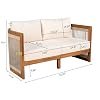


KLMM 4-Piece Patio Seating Group with 2 Chairs, Loveseat & Table,Acacia Wood Outdoor Furniture Set, Curved Tub Design with Woven Rope Accents,for Patio Balcony Garden (Teak+Beige-PP)
(as of October 23, 2026 18:00 GMT -04:00 - More infoProduct prices and availability are accurate as of the date/time indicated and are subject to change. Any price and availability information displayed on [relevant Amazon Site(s), as applicable] at the time of purchase will apply to the purchase of this product.)





Furniture Clinic Teak Oil | Wood Oil Protects & Cleans Outdoor & Indoor Furniture, Boats, Shower Benches | Restore & Protect Wood, Prevent Drying & Other Damage | Natural Matte Finish | 17oz/500ml
(as of October 23, 2026 18:02 GMT -04:00 - More infoProduct prices and availability are accurate as of the date/time indicated and are subject to change. Any price and availability information displayed on [relevant Amazon Site(s), as applicable] at the time of purchase will apply to the purchase of this product.)


Merax 4 Piece Patio Outdoor Furniture Set, All-Weather Acacia Wood Loveseat Sofa, 2 Armchairs w/Coushions, 1 Coffee Table for Porch, Lawn, Backyard, Balcony Teak+ Beige
(as of October 23, 2026 18:02 GMT -04:00 - More infoProduct prices and availability are accurate as of the date/time indicated and are subject to change. Any price and availability information displayed on [relevant Amazon Site(s), as applicable] at the time of purchase will apply to the purchase of this product.)
Now retrieving an image set.
Wisteria Lane 4 Piece Outdoor Wicker Patio Furniture Set for All Weather | Outside Sofa Conversation Set with Table,High Backrest Support and Wide Armrest for Backyard,Balcony,Terraces(Dark Blue)
$321.29 (as of October 23, 2026 07:03 GMT -04:00 - More infoProduct prices and availability are accurate as of the date/time indicated and are subject to change. Any price and availability information displayed on [relevant Amazon Site(s), as applicable] at the time of purchase will apply to the purchase of this product.)
Now retrieving an image set.
Ahomly 4 Piece Outdoor Patio Furniture Set, Wicker Patio Furniture with Glass Coffee Table, Rocking Wicker Bistro Set, for Backyard, Poolside, Porch (Grey)
$105.98 (as of October 23, 2026 07:03 GMT -04:00 - More infoProduct prices and availability are accurate as of the date/time indicated and are subject to change. Any price and availability information displayed on [relevant Amazon Site(s), as applicable] at the time of purchase will apply to the purchase of this product.)
Now retrieving an image set.
KROFEM 4 Piece Patio Furniture Set, Outdoor Wicker Conversation Set | Washable Cushions, 2 Armchairs + Loveseat Sofa + Coffee Table, Rustproof Steel Frame, Black
$269.99 (as of October 23, 2026 07:03 GMT -04:00 - More infoProduct prices and availability are accurate as of the date/time indicated and are subject to change. Any price and availability information displayed on [relevant Amazon Site(s), as applicable] at the time of purchase will apply to the purchase of this product.)
Now retrieving an image set.
7 Piece Outdoor Patio Sectional Furniture Set, Modular Wicker Outdoor Couch | Modern Rattan Patio Conversation Sofa Set w/Washable Thick Cushions & Coffee Table for Balcony, Porch, Garden, Brown/Beige
$323.99 (as of October 23, 2026 07:03 GMT -04:00 - More infoProduct prices and availability are accurate as of the date/time indicated and are subject to change. Any price and availability information displayed on [relevant Amazon Site(s), as applicable] at the time of purchase will apply to the purchase of this product.)
Now retrieving an image set.